
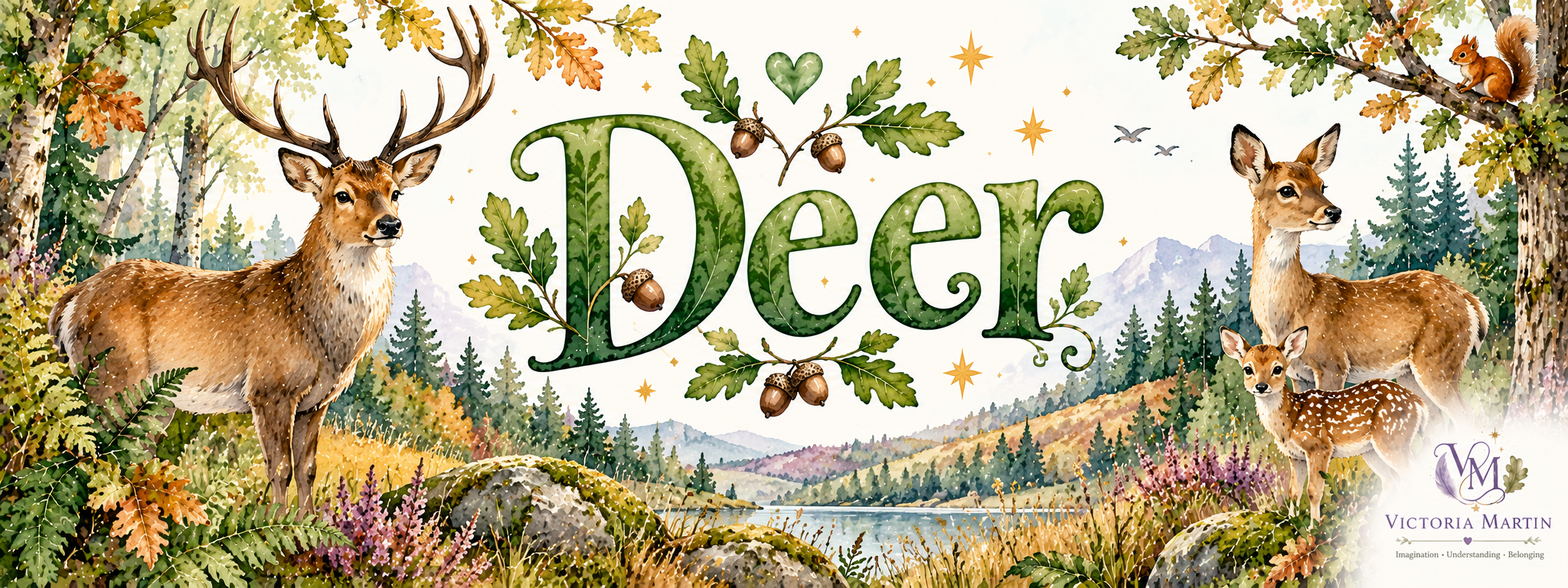
🦌 British Deer — The Gentle Wanderers of Our Woodlands
Discover the Fascinating World of Britain's Wild Deer
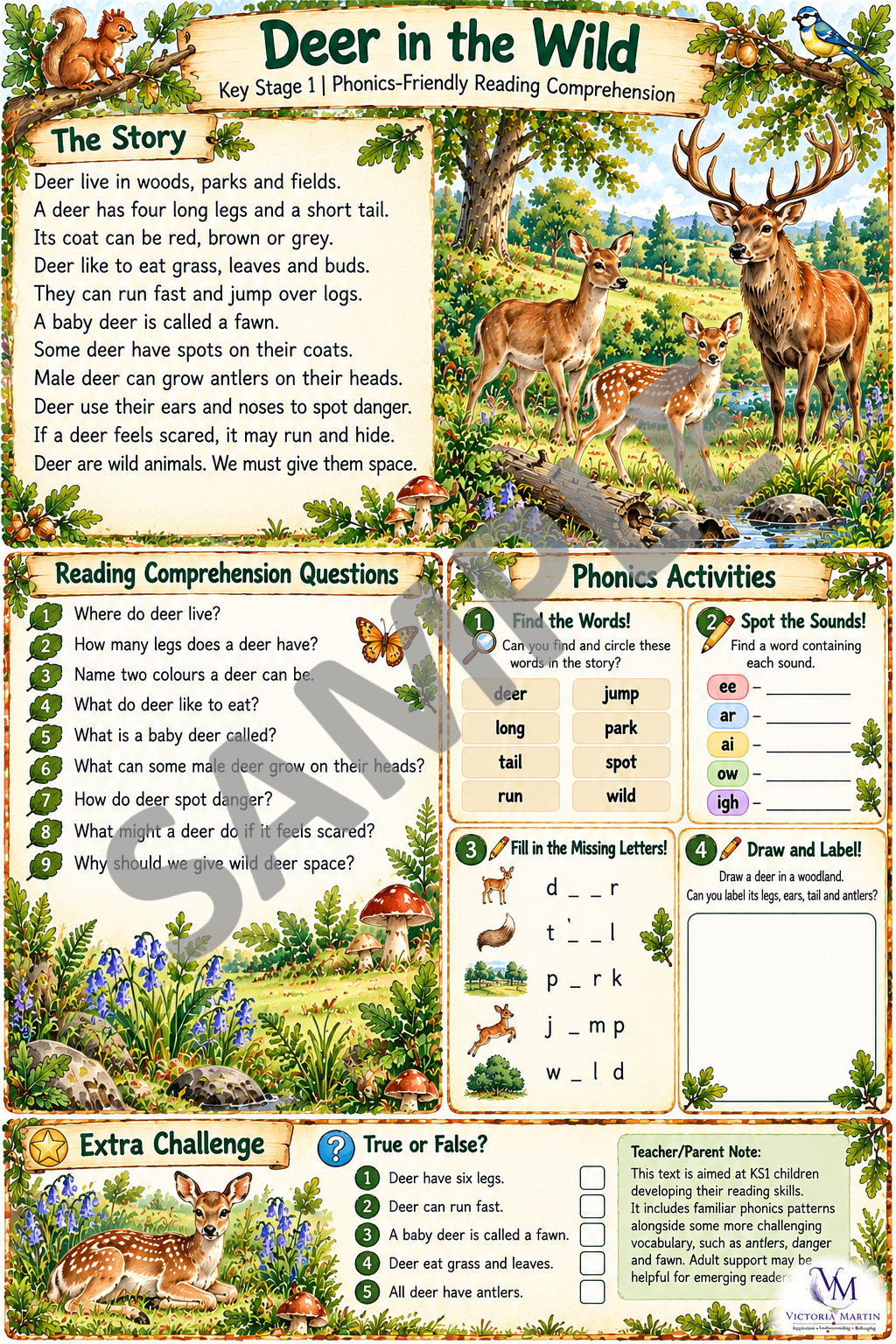
Have you ever spotted a deer standing quietly, moving through woodland or grazing in an open field?
These beautiful animals are among Britain's most recognisable, fascinating and adaptable wild mammals.
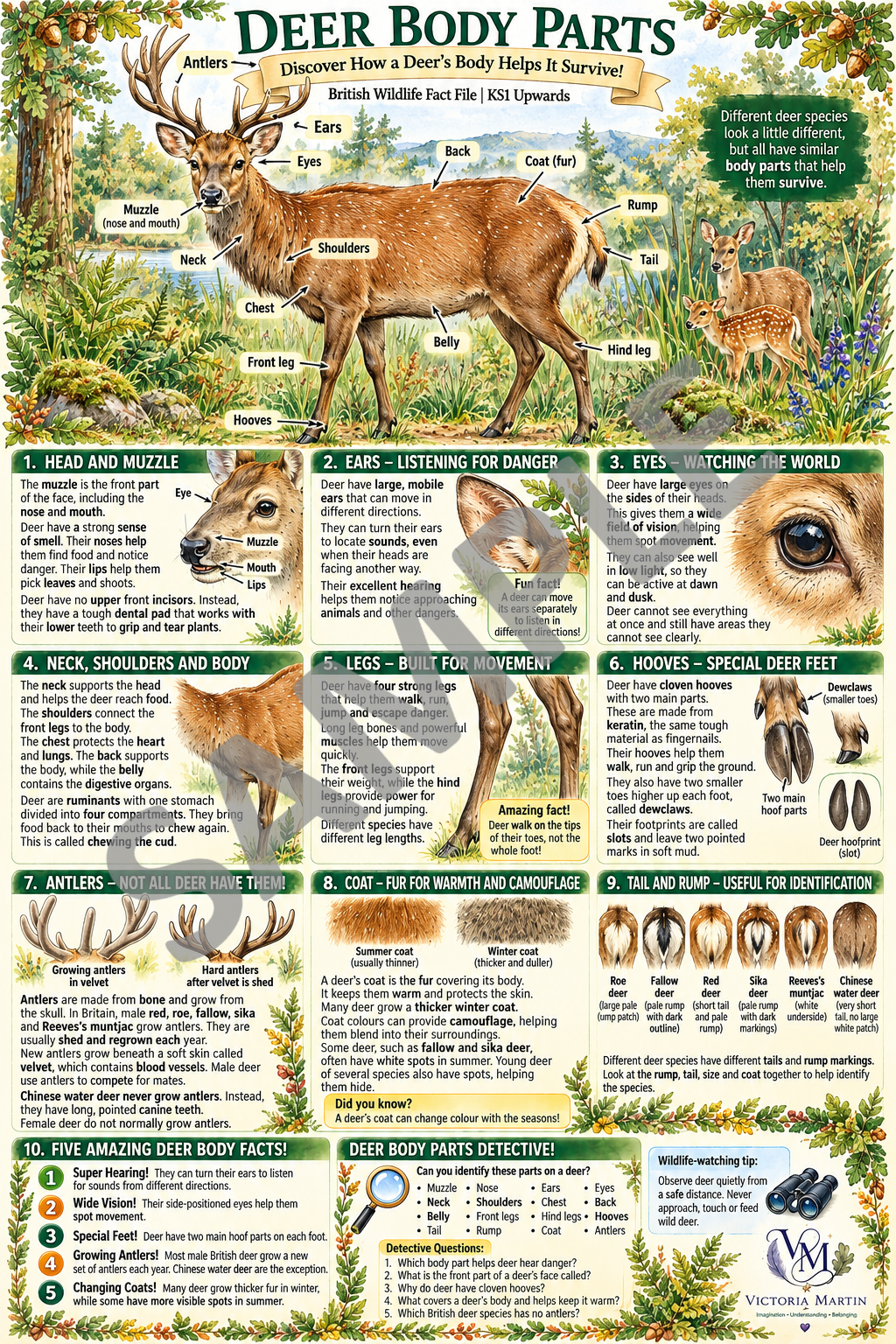
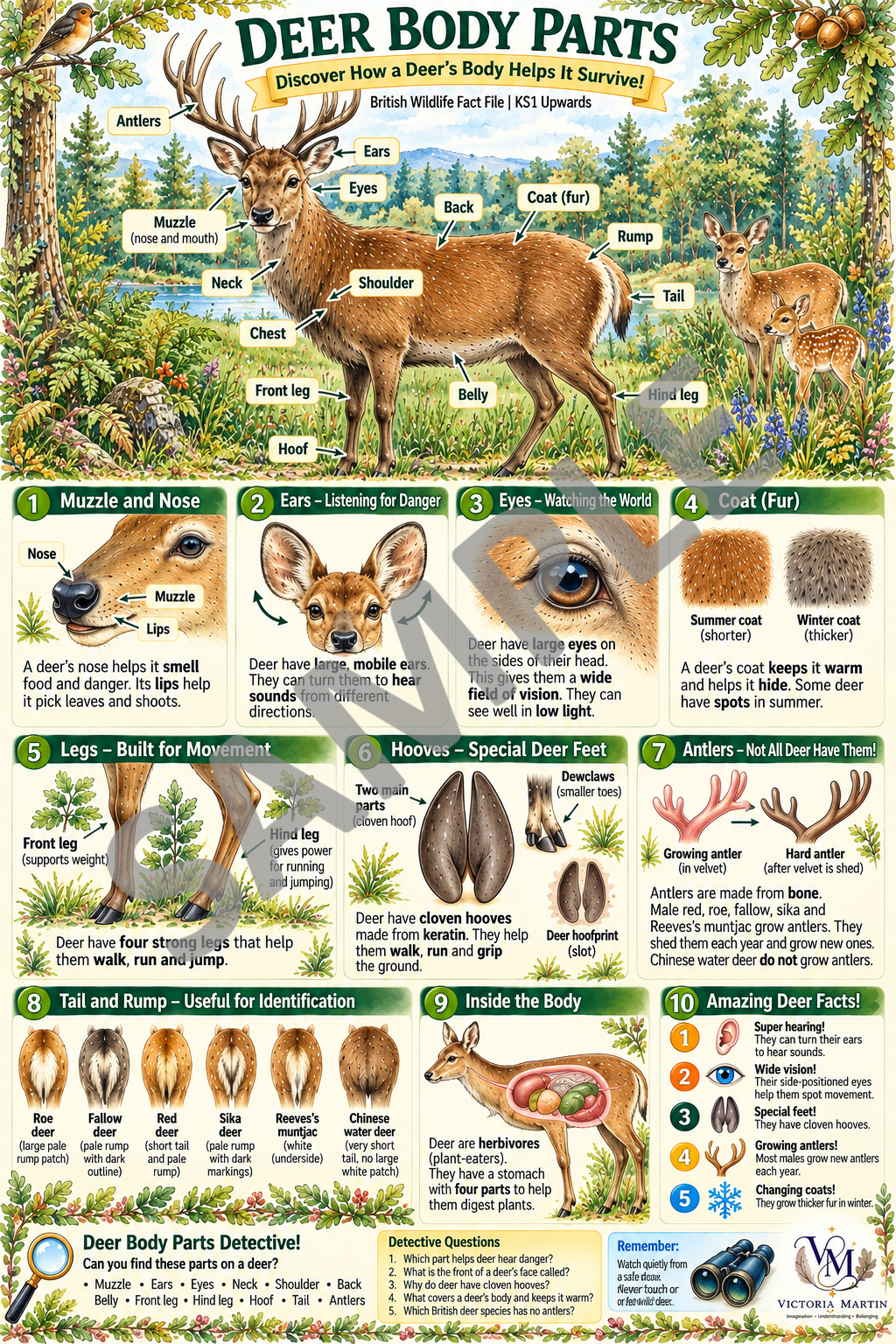
With their excellent hearing, sensitive noses and powerful legs, deer are well adapted to life in Britain's woodlands, grasslands and countryside.
🌳 What Types of Deer Live in Britain?
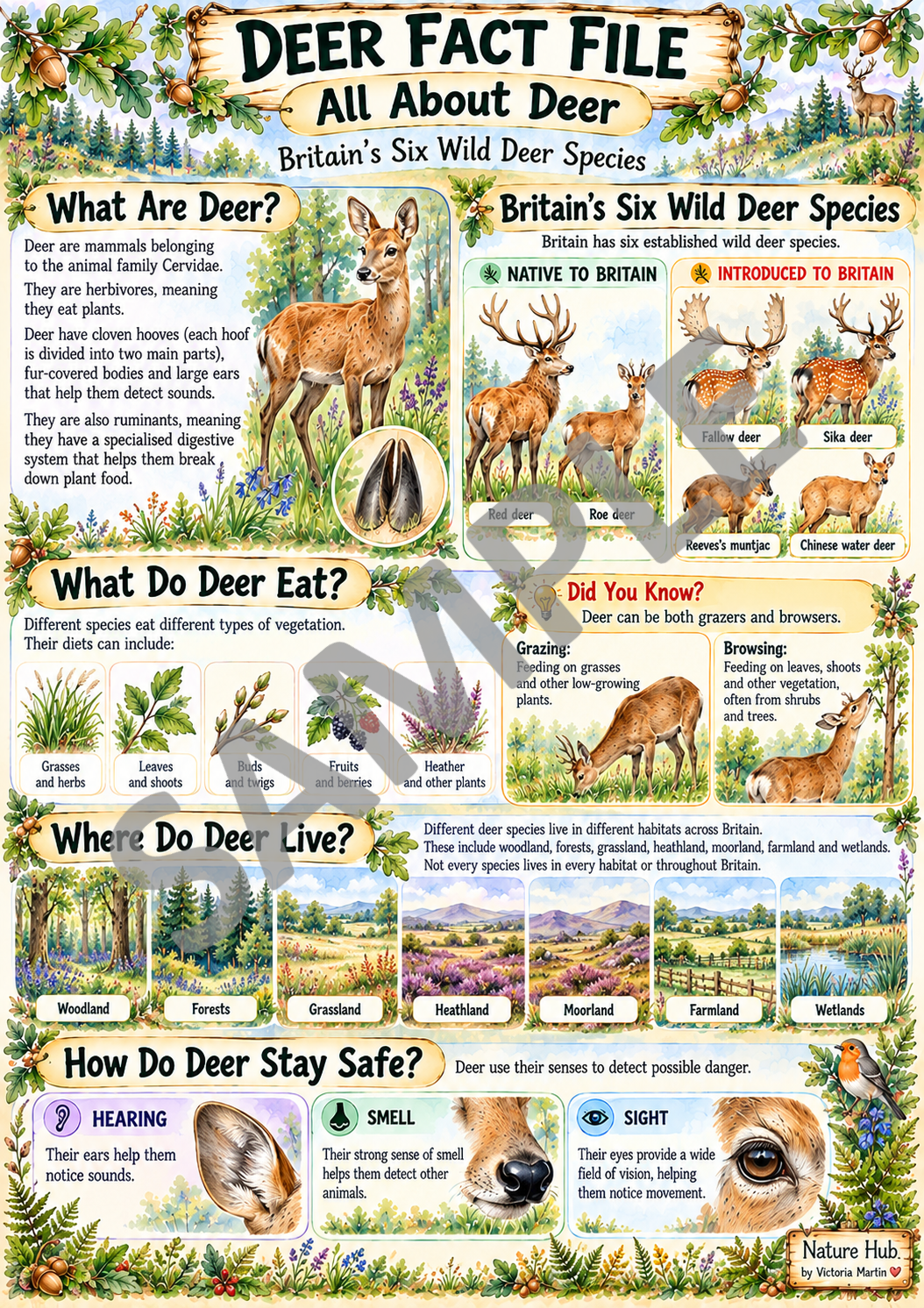
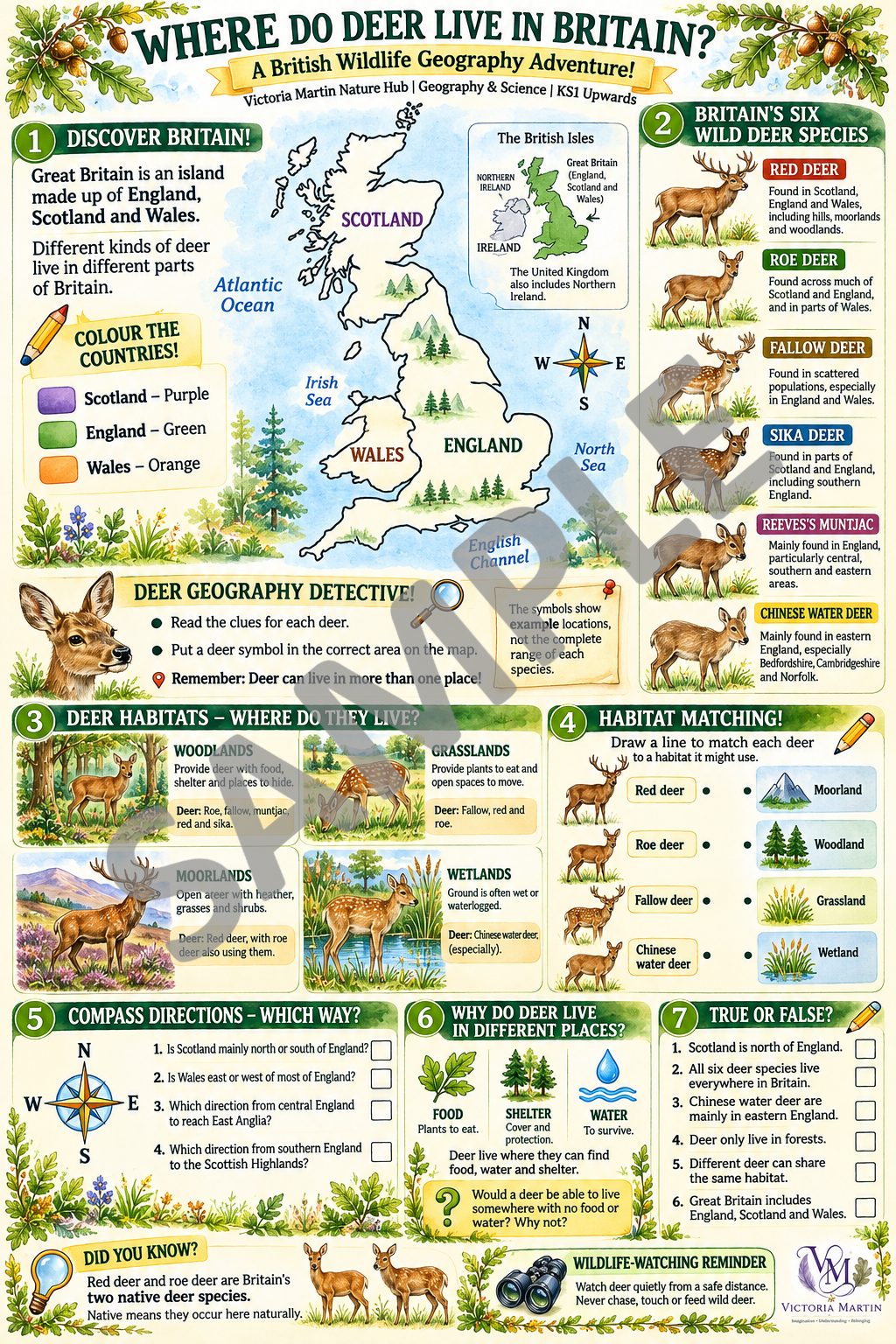
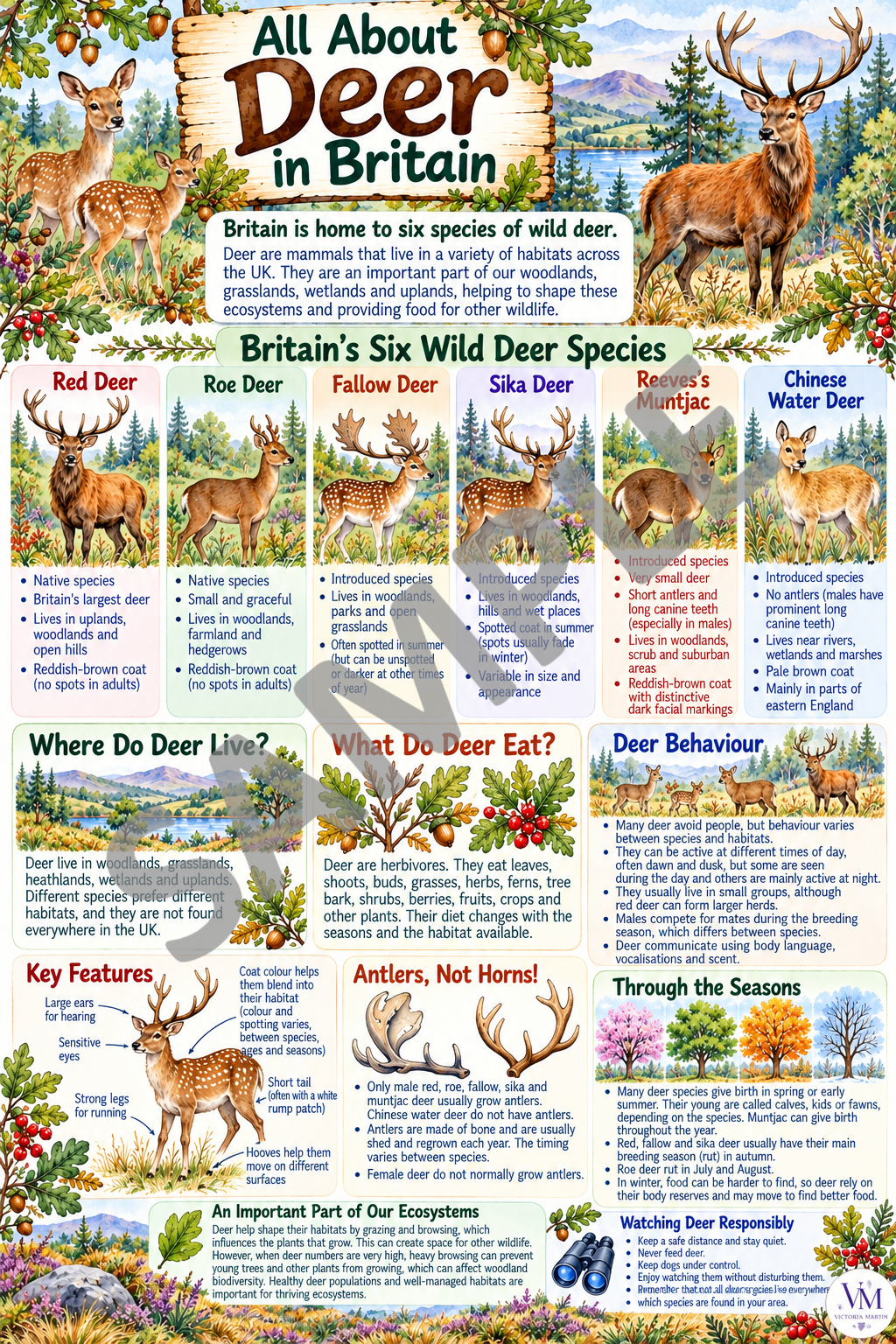
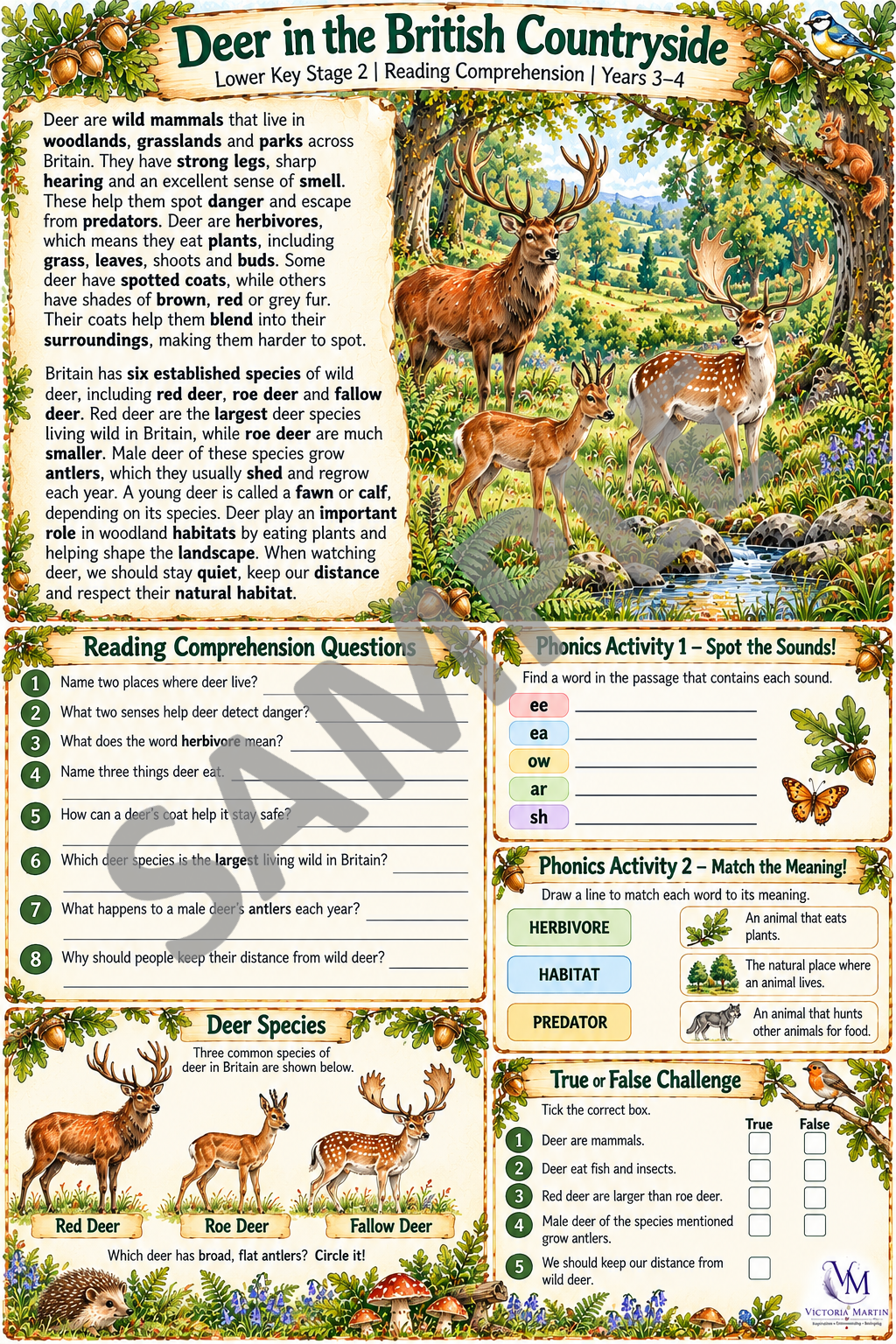
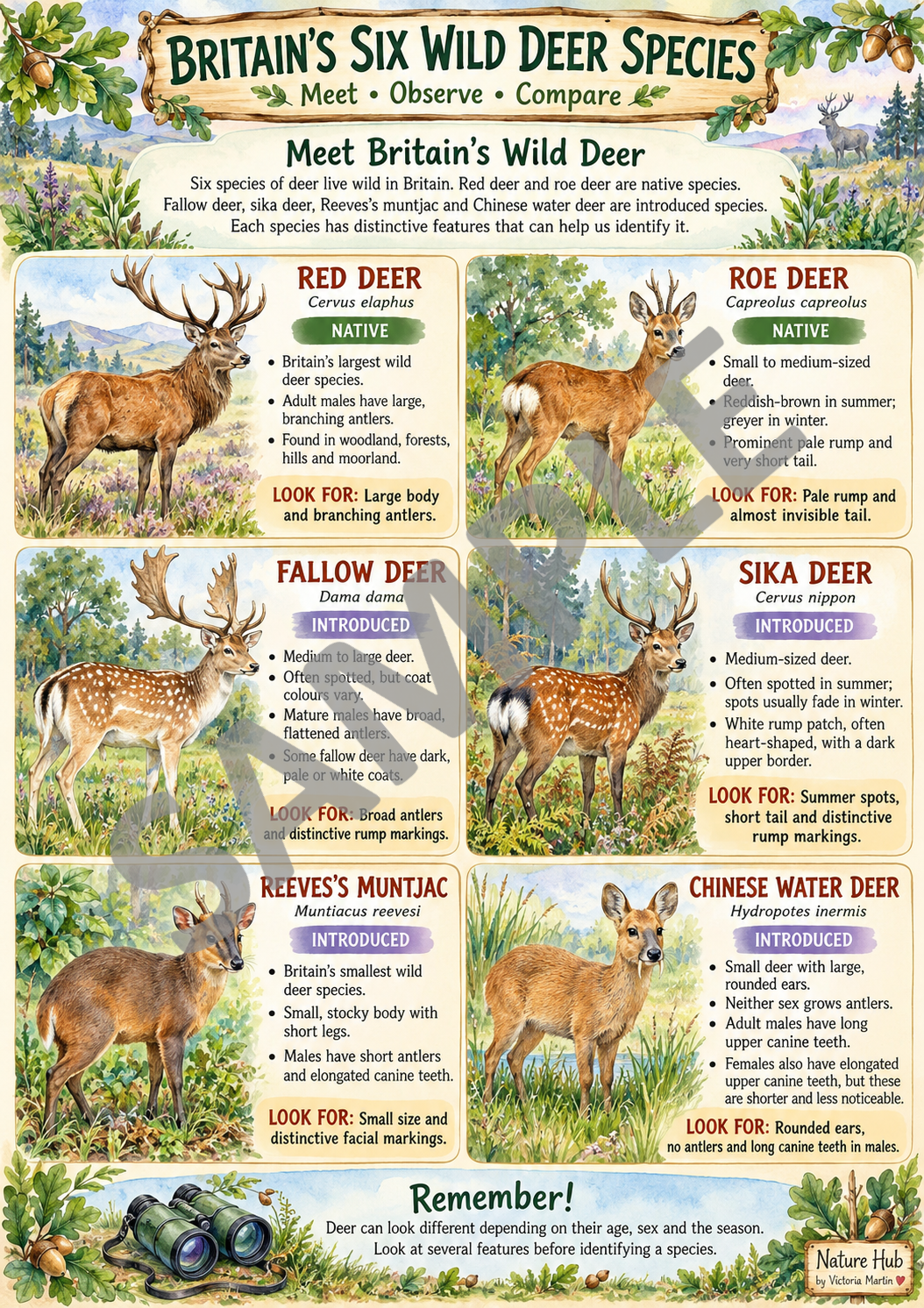
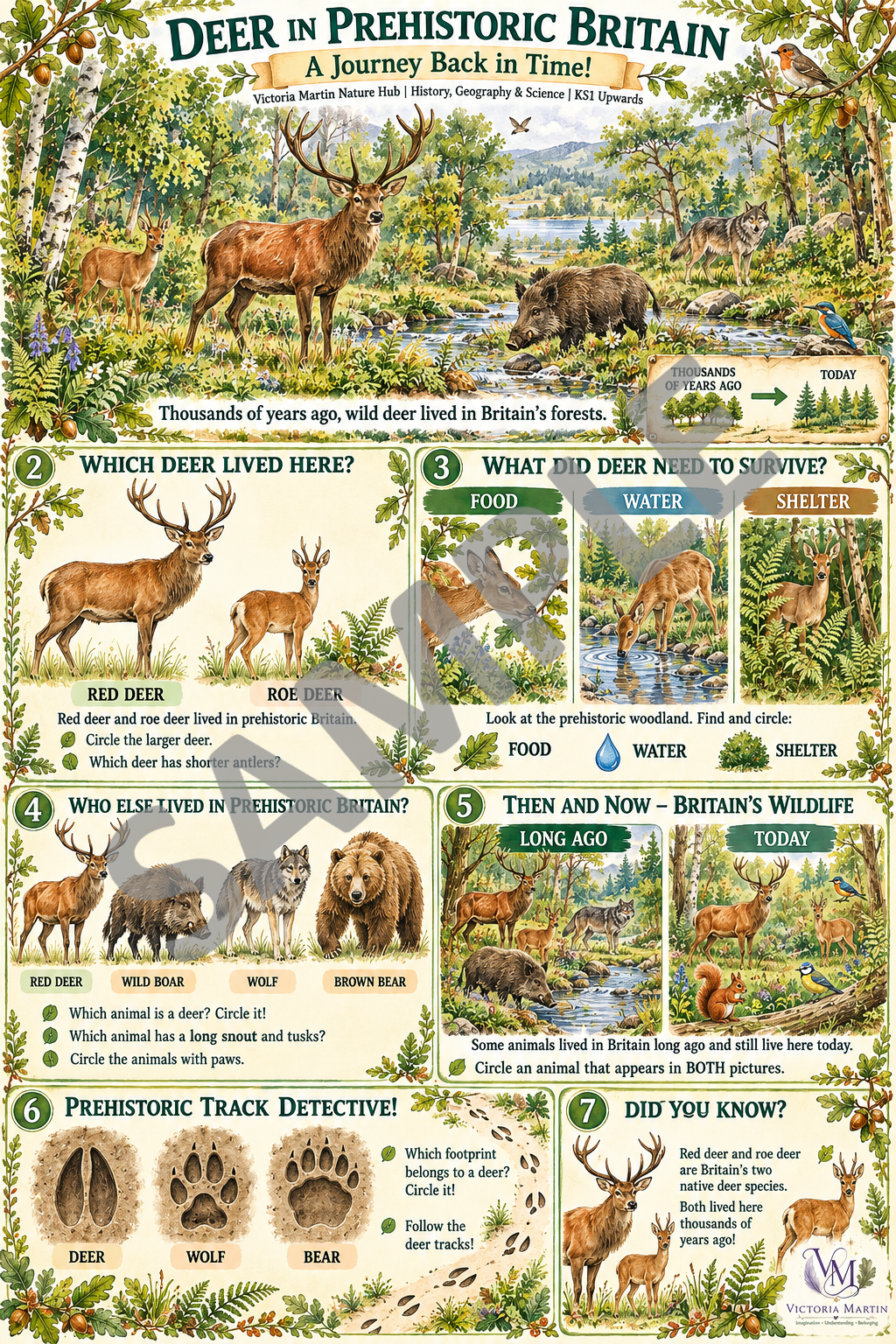
There are six established species of deer living wild in the United Kingdom, although only two species are native.
Although six deer species live wild in the United Kingdom, their populations and distributions vary considerably between different regions.
🦌 Red Deer (Cervus elaphus)
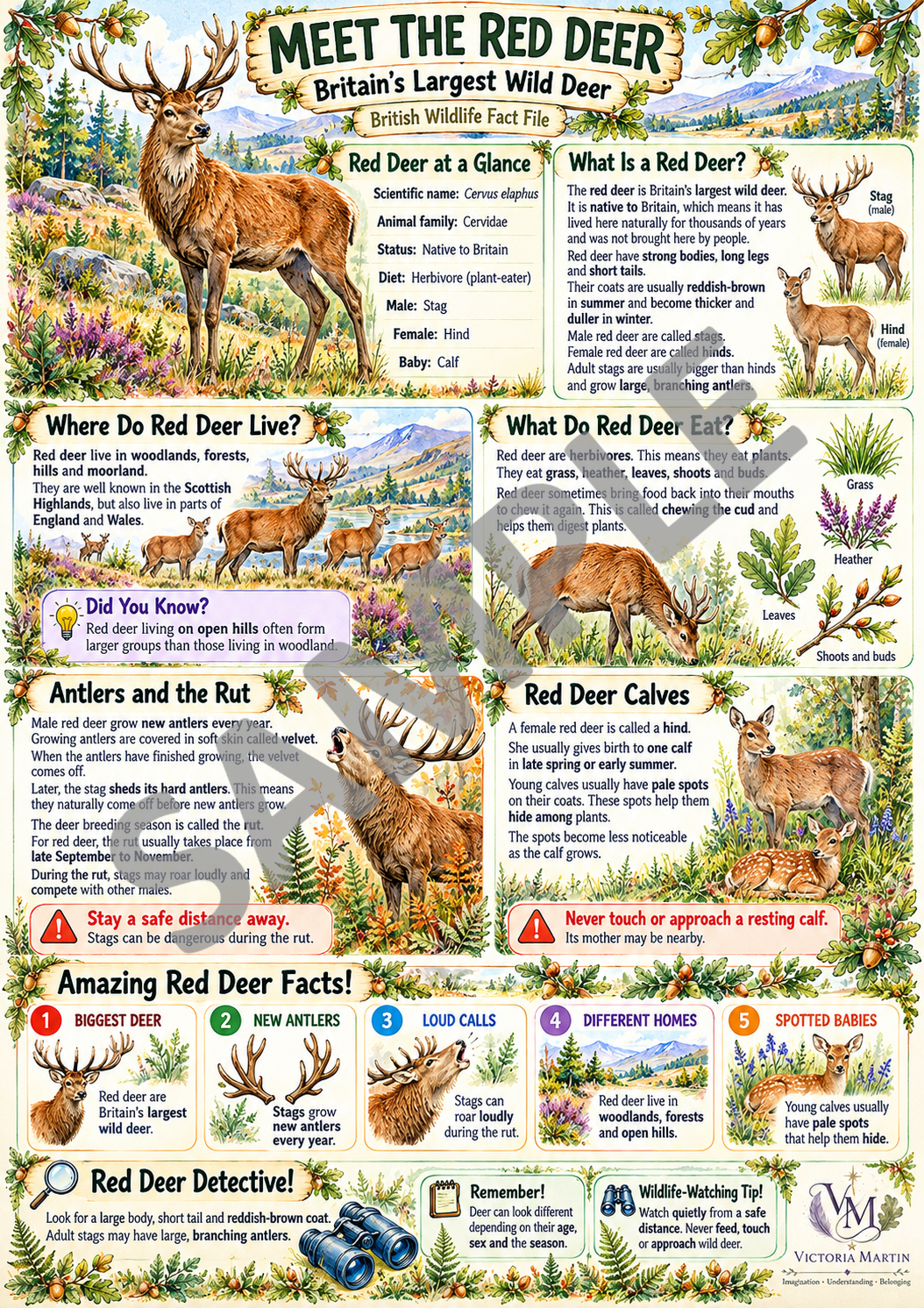
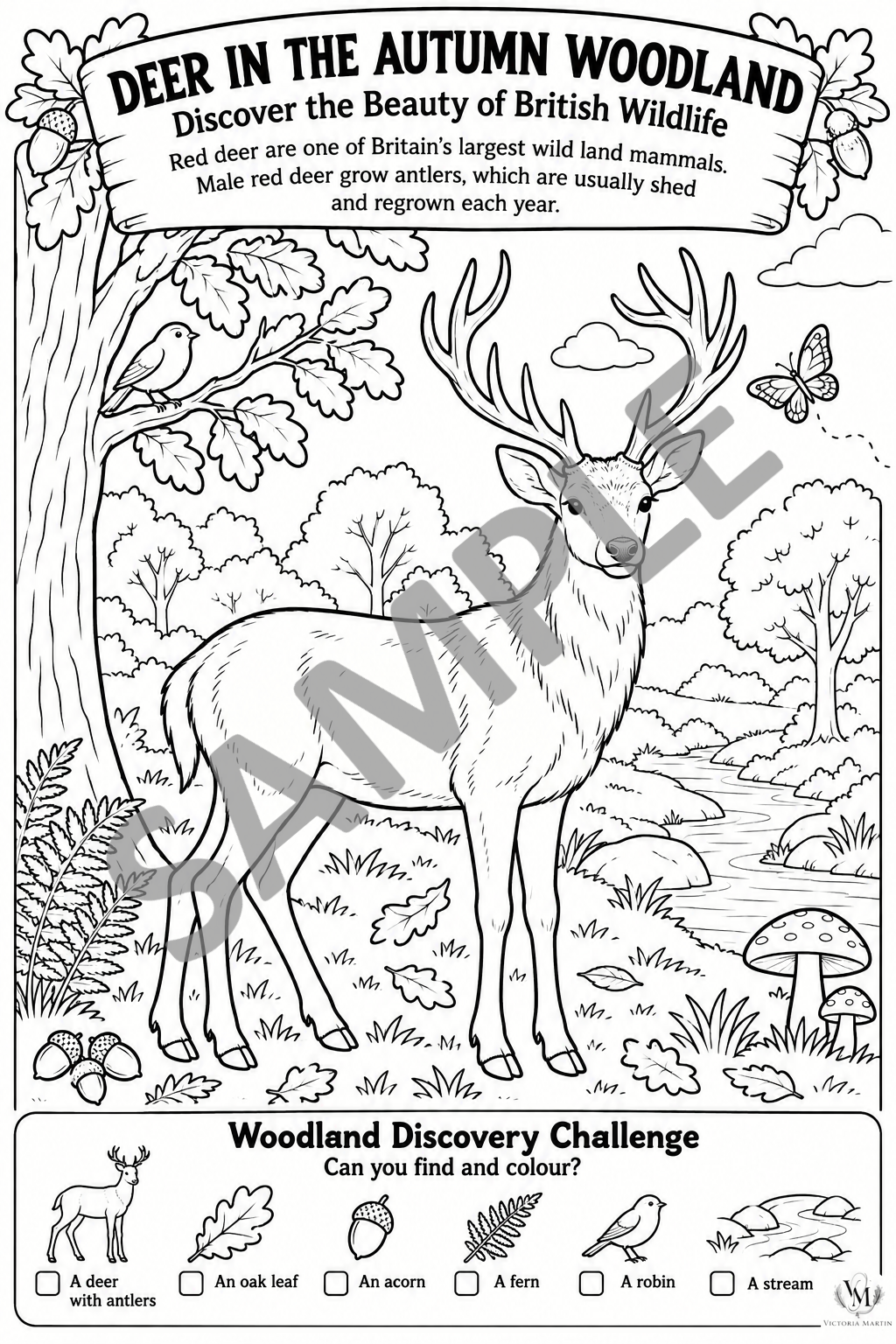
The red deer is Britain's largest wild land mammal and one of our two native deer species.
Red deer are particularly associated with the Scottish Highlands, although populations also live in woodlands, moorlands and open countryside elsewhere in Britain.
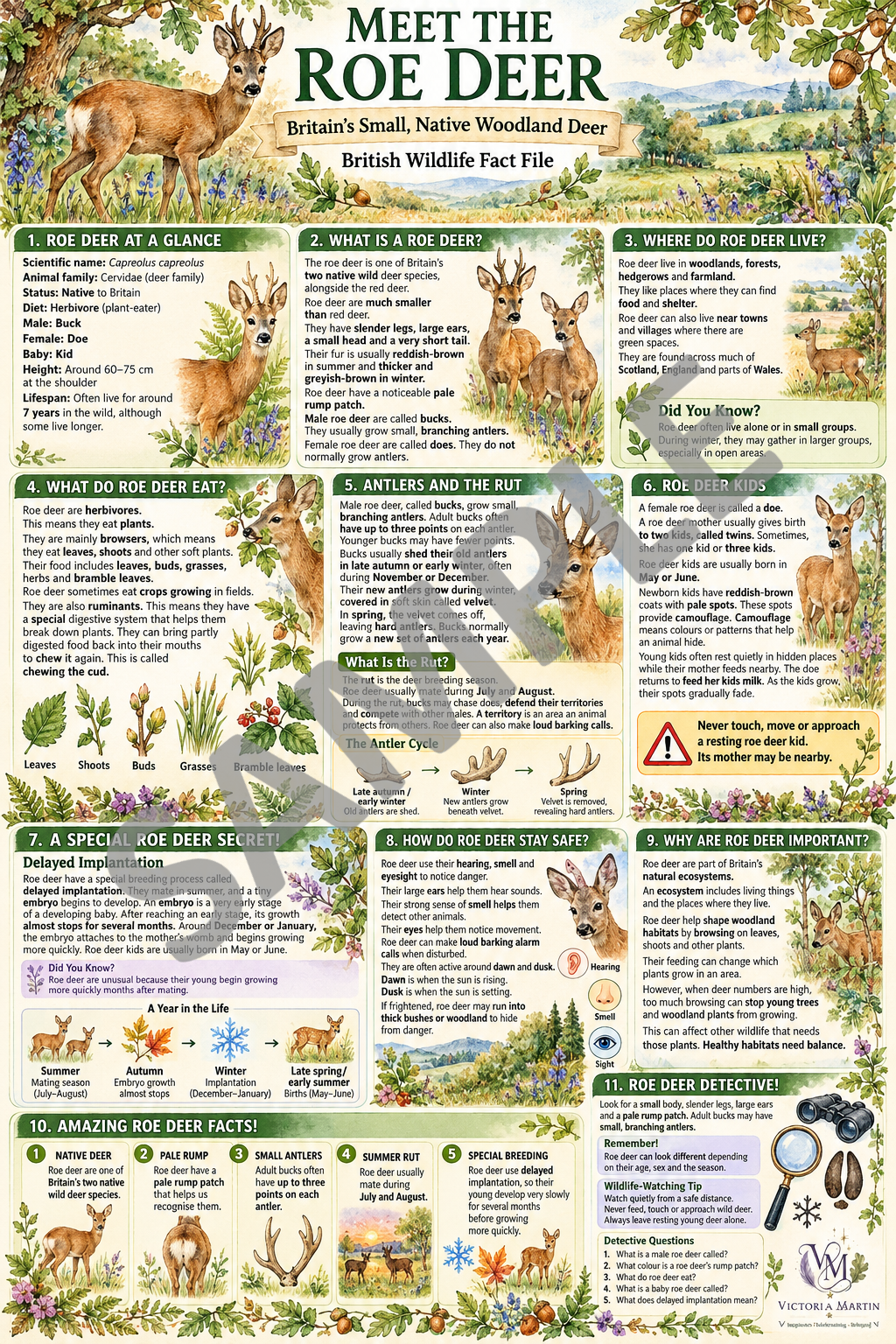
🦌 Roe Deer (Capreolus capreolus)
The roe deer is Britain's other native deer species and is commonly found in woodlands, farmland and woodland edges.
These relatively small deer are recognised by their reddish-brown summer coats, short antlers on males and distinctive white rump patches.
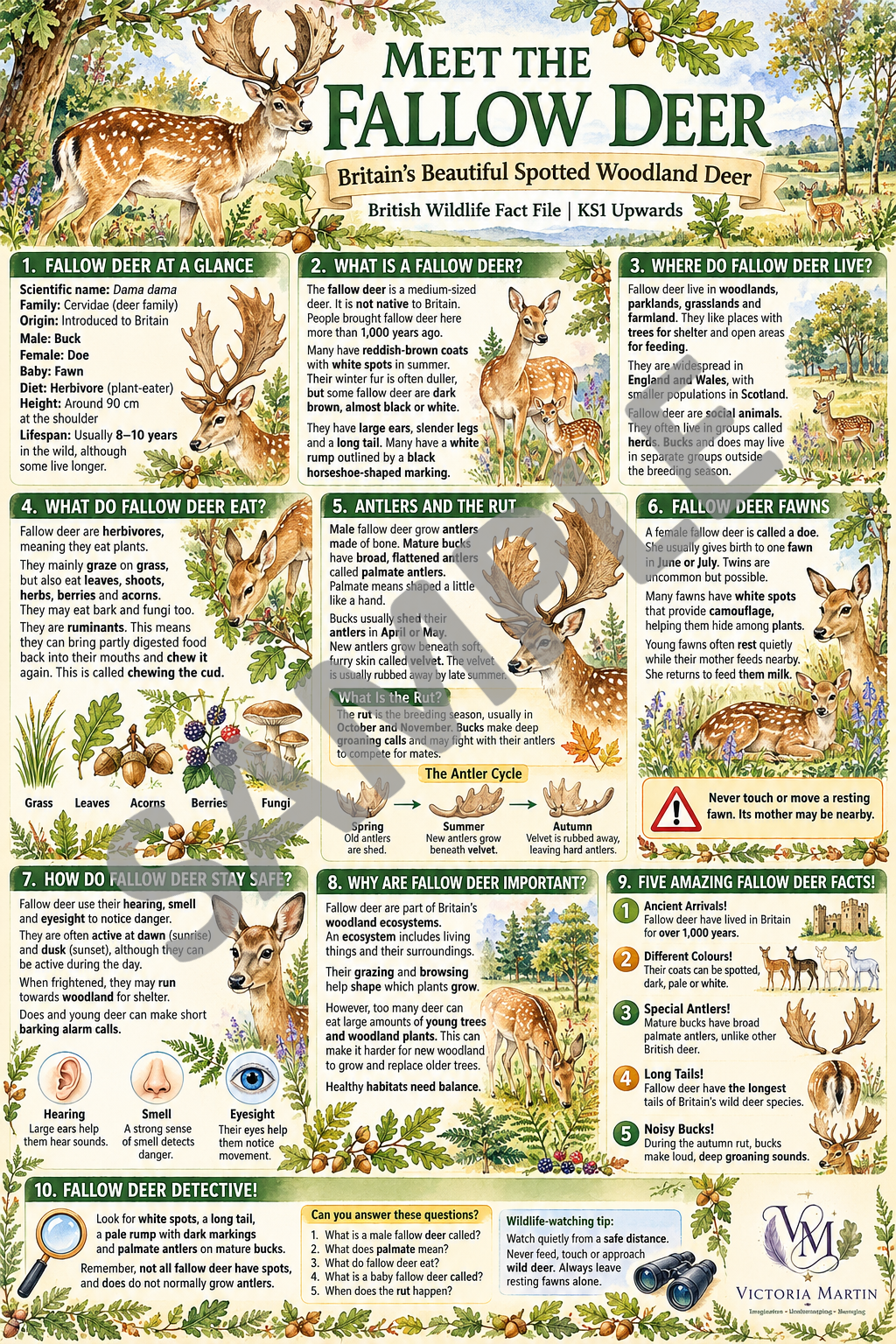
🦌 Fallow Deer (Dama dama)
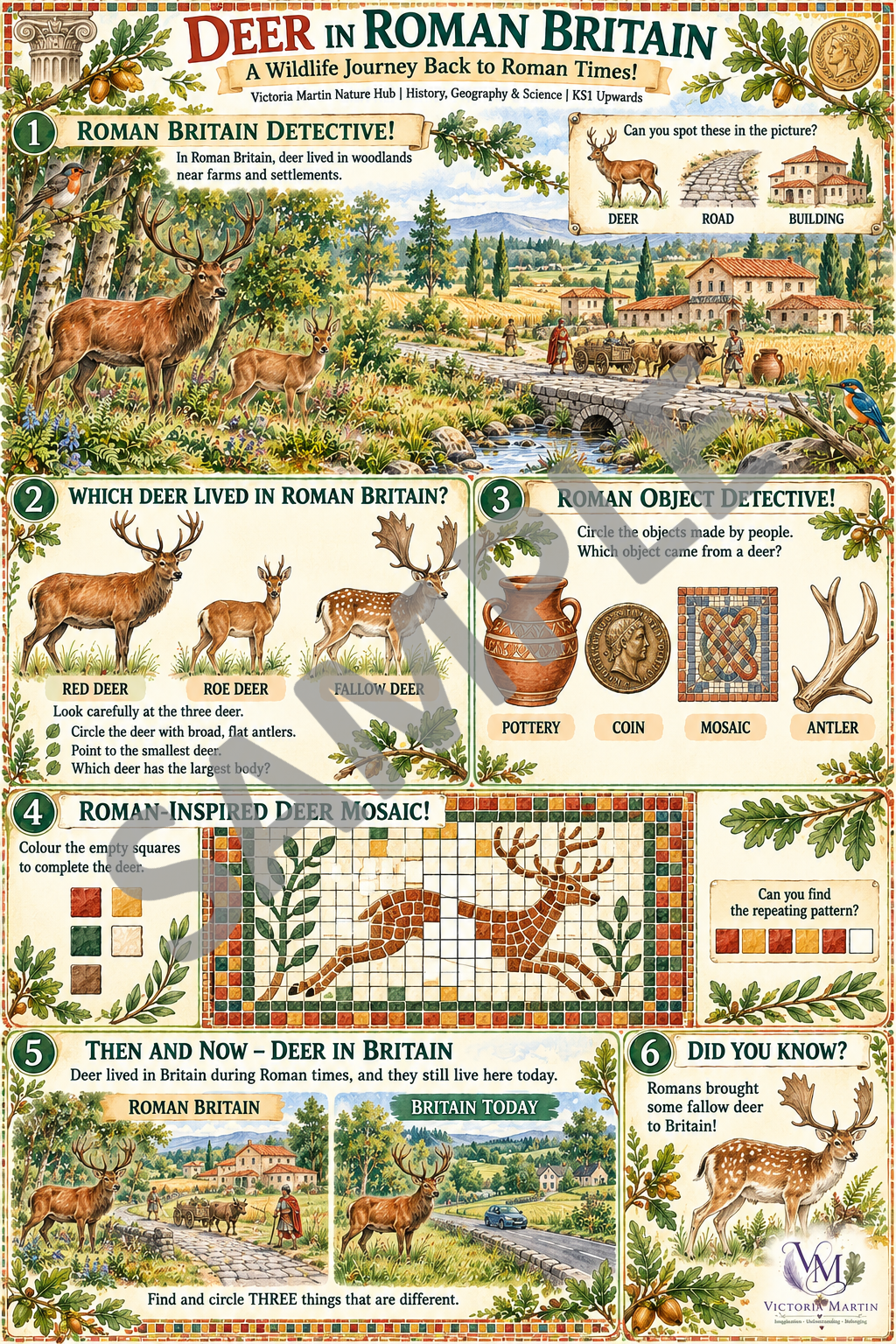
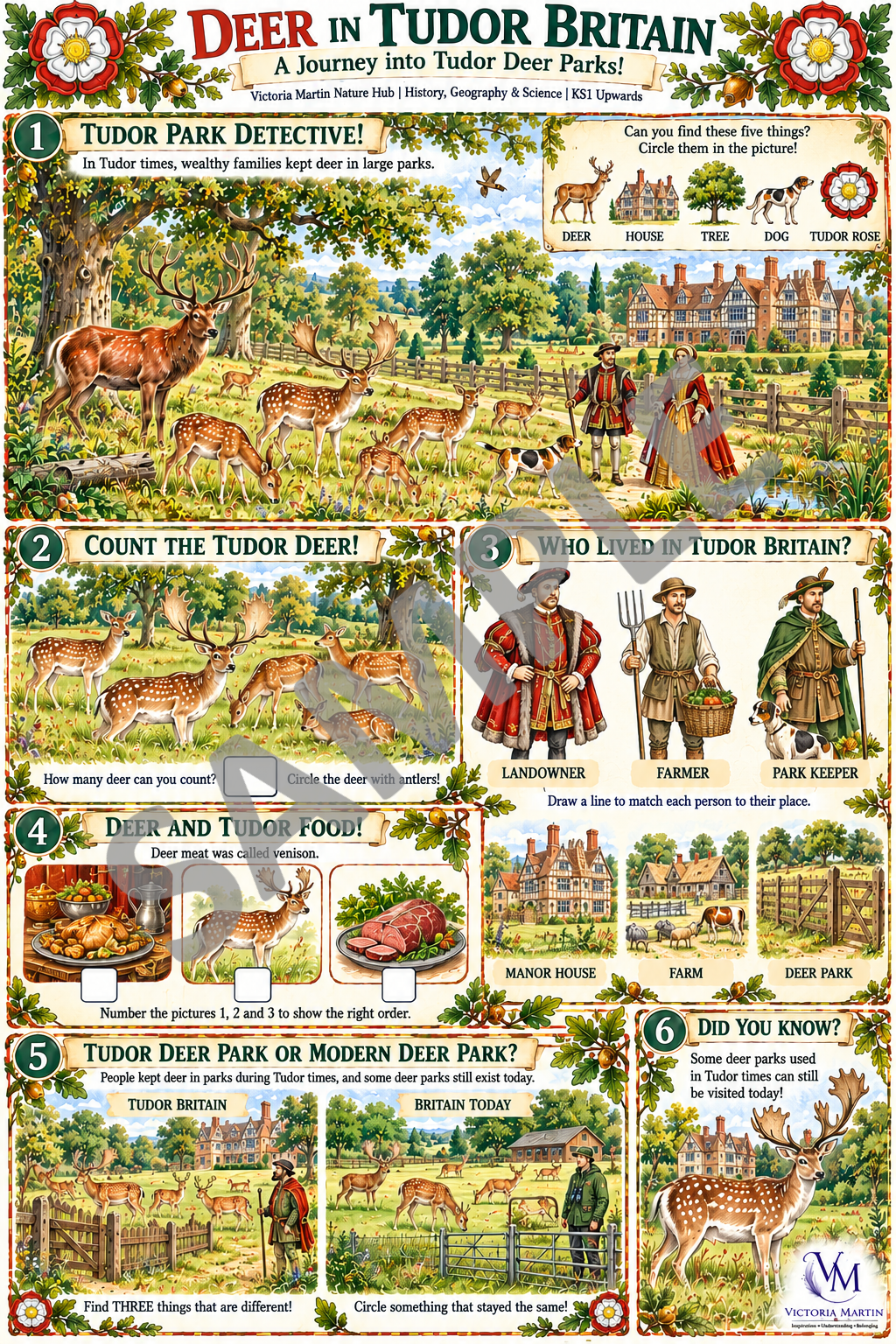
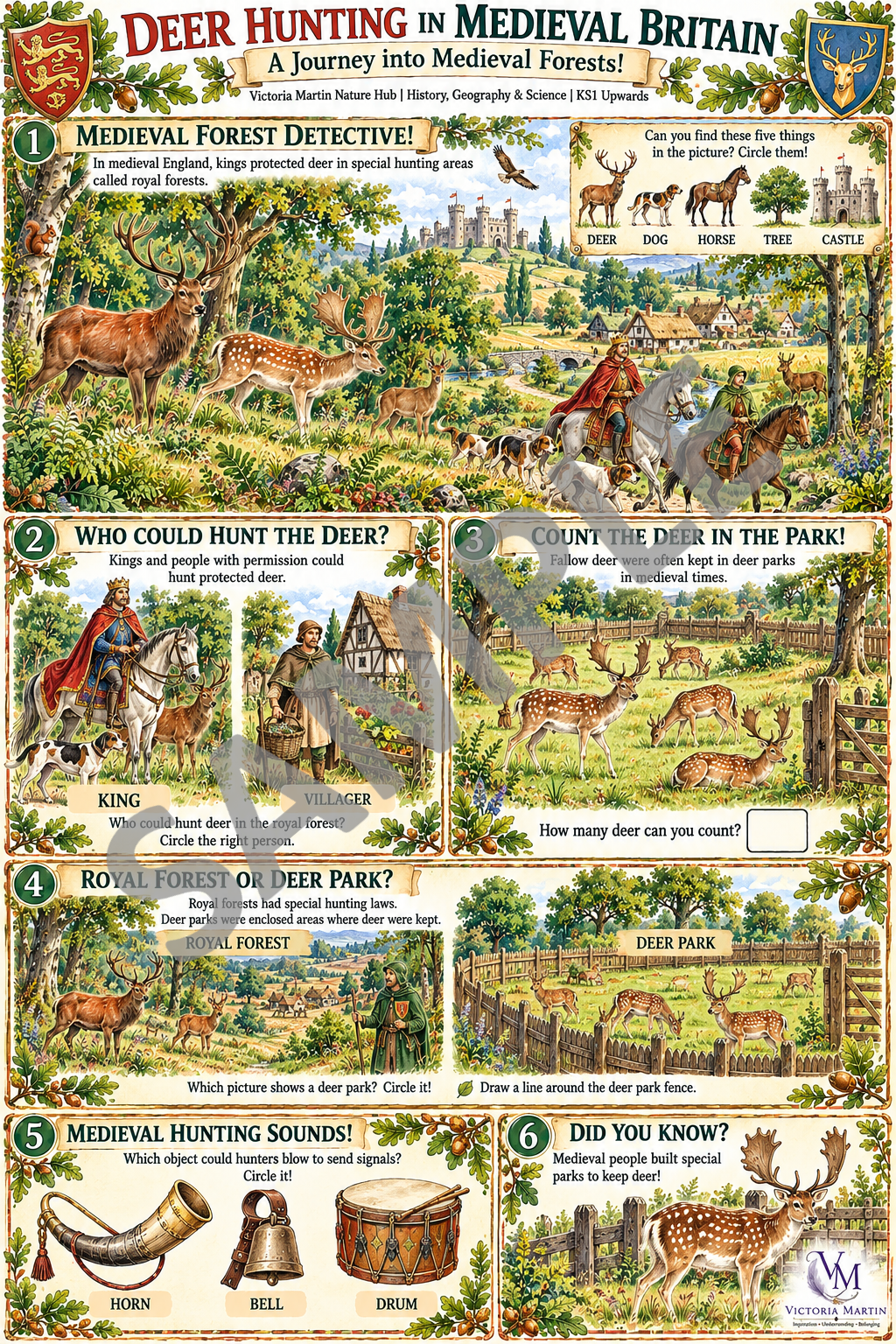
Fallow deer were introduced to Britain many centuries ago, with their widespread establishment closely associated with the Norman period and medieval deer parks.
They are now well established in woodlands, parklands and rural landscapes.
They are particularly recognisable for their spotted coats, long tails and the broad, flattened antlers grown by mature males.
🦌 Sika Deer (Cervus nippon)
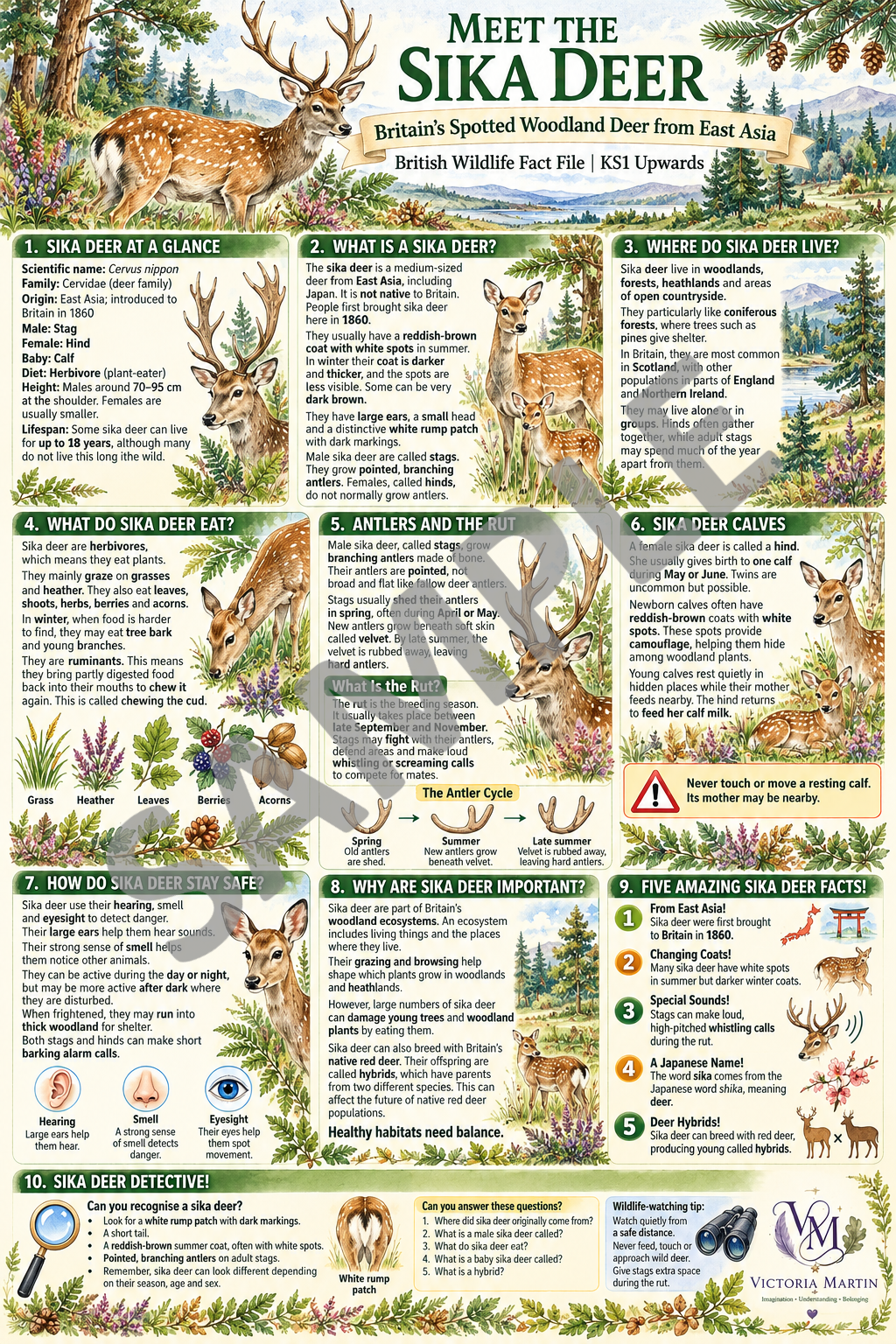
Originally from East Asia, sika deer were introduced to Britain and now live in parts of Scotland, England and Northern Ireland.
They often have spotted summer coats, dark markings and a distinctive white rump patch.
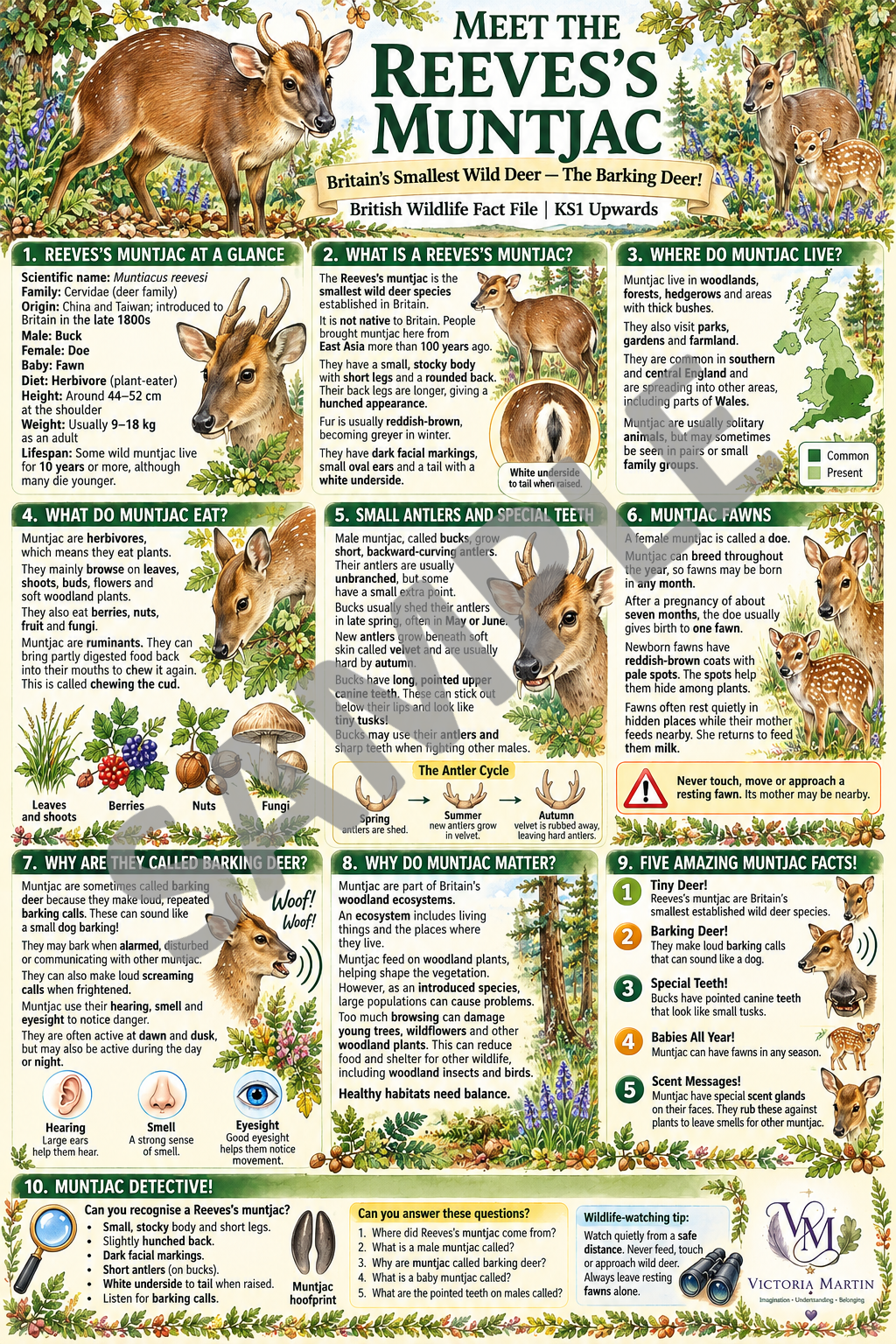
🦌 Muntjac Deer (Muntiacus reevesi)
Reeves's muntjac are small deer originally from China that now live in many parts of England and Wales.
They are sometimes called barking deer because they produce loud, dog-like calls when alarmed or communicating.
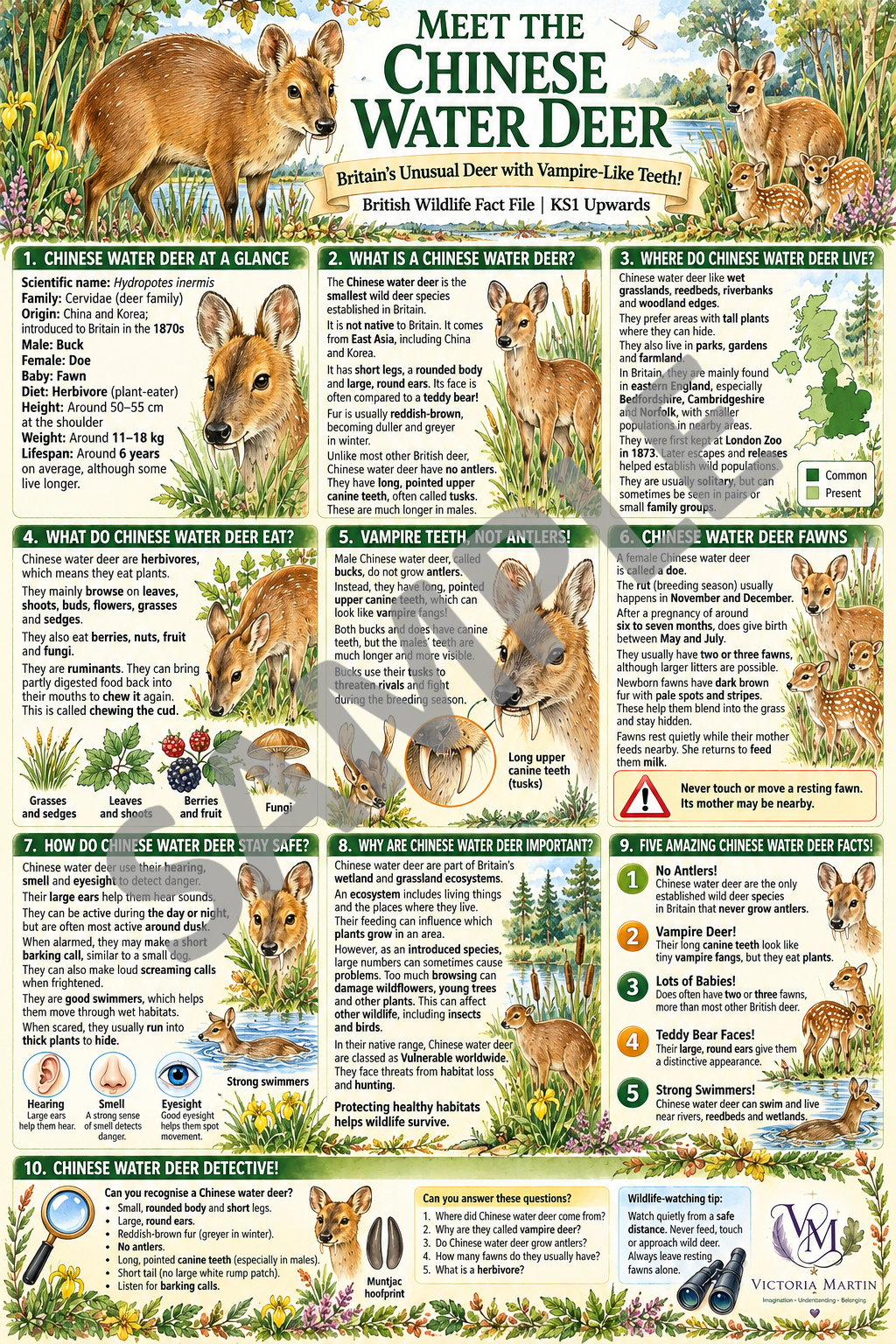
🦌 Chinese Water Deer (Hydropotes inermis)
Chinese water deer are unusual because neither males nor females grow antlers, but males develop long, visible canine teeth.
They are mainly found in parts of eastern England, particularly around wetlands, reedbeds and grassland habitats.
🌿 Where Do Deer Live?
Deer can be found in woodlands, grasslands, moorlands, farmland and some wetland environments throughout Britain.
Different species prefer different habitats, depending on the availability of food, shelter and suitable breeding areas.
Some deer, such as roe deer, are often found near woodland edges, hedgerows and quiet fields.
Others, including red deer, can live in open moorland, upland landscapes and large woodland areas.
🌱 What Do Deer Eat?
All six wild deer species in Britain are herbivores, meaning they eat plants rather than other animals.
Their diets may include grasses, leaves, young shoots, buds, herbs and woodland plants.
Some species also eat berries, fallen fruit, acorns and other seasonal foods.
Deer are ruminants, meaning they have a specialised digestive system that helps them break down tough plant material.
They can bring partly digested food back into their mouths to chew it again, break it down further and improve digestion.
🦌 Why Do Deer Have Antlers?
One of the most recognisable features of many male deer is their large, branching and sometimes impressive antlers.
Antlers are made from living bone while growing and are usually shed and regrown each year.
While growing, antlers are covered in a soft, blood-rich skin called velvet, which helps provide nutrients during development.
Once the antlers have finished growing, the velvet dries, loosens and is eventually rubbed away.
Male deer use their antlers during breeding competitions, displays of strength and sometimes physical contests with other males.
Although antlers are usually replaced every year, different deer species shed and regrow them during different seasons.
For example, red deer usually shed their antlers during spring, while roe deer often shed theirs during late autumn or early winter.
However, not all deer grow antlers, and Chinese water deer are a fascinating example of a species that does not develop them.
🍂 What Is the Deer Rut?
During the breeding season, some male deer compete for the opportunity to mate with females.
This period is known as the rut, and it can involve loud calls, displays of strength and antler clashes.
Red deer are particularly famous for their autumn rut, when males called stags produce deep, powerful roaring sounds.
Fallow deer also have an autumn breeding season, during which males called bucks may compete for females.
However, different deer species have different breeding seasons, so not every deer in Britain ruts during autumn.
During the rut, deer can become less predictable, more defensive and potentially dangerous if approached too closely.
🦌 What About Baby Deer?
Baby deer have different names depending on their species and family group.
Young red deer and sika deer are called calves, while young roe deer are called kids.
Young fallow deer, muntjac deer and Chinese water deer are usually called fawns.
Many young deer are born during spring or early summer, when fresh vegetation and warmer conditions are more readily available.
Some young deer have beautiful spotted coats, which help them blend into grass, woodland vegetation and their surroundings.
Young deer may remain quiet and hidden while their mothers move away to feed.
Although a young deer may appear to be alone, abandoned or in need of help, its mother is often nearby and will return when it is safe.
If you discover a young deer, it is important to keep your distance, avoid touching it and leave the area quietly.
👂 How Do Deer Sense Danger?
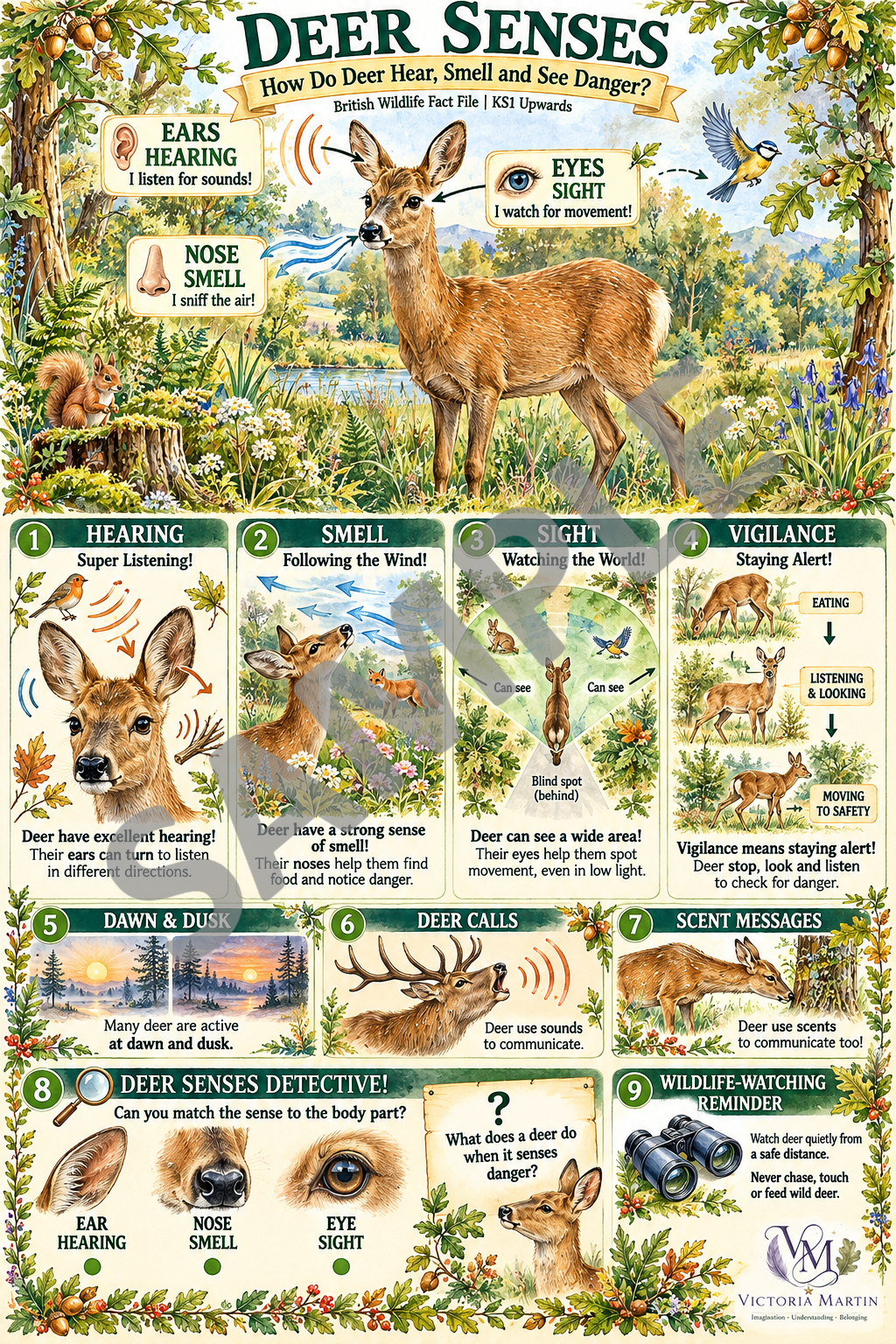
Deer have several remarkable adaptations that help them detect danger, avoid predators and survive in the wild.
Their large, movable ears help them detect quiet sounds and identify activity in their surroundings.
Their excellent sense of smell allows them to recognise other deer, potential threats and changes in their environment.
Deer also have eyes positioned towards the sides of their heads, giving them a wide field of vision.
When frightened, deer can use their strong legs, speed and agility to escape quickly.
🌳 Why Are Deer Important to Nature?
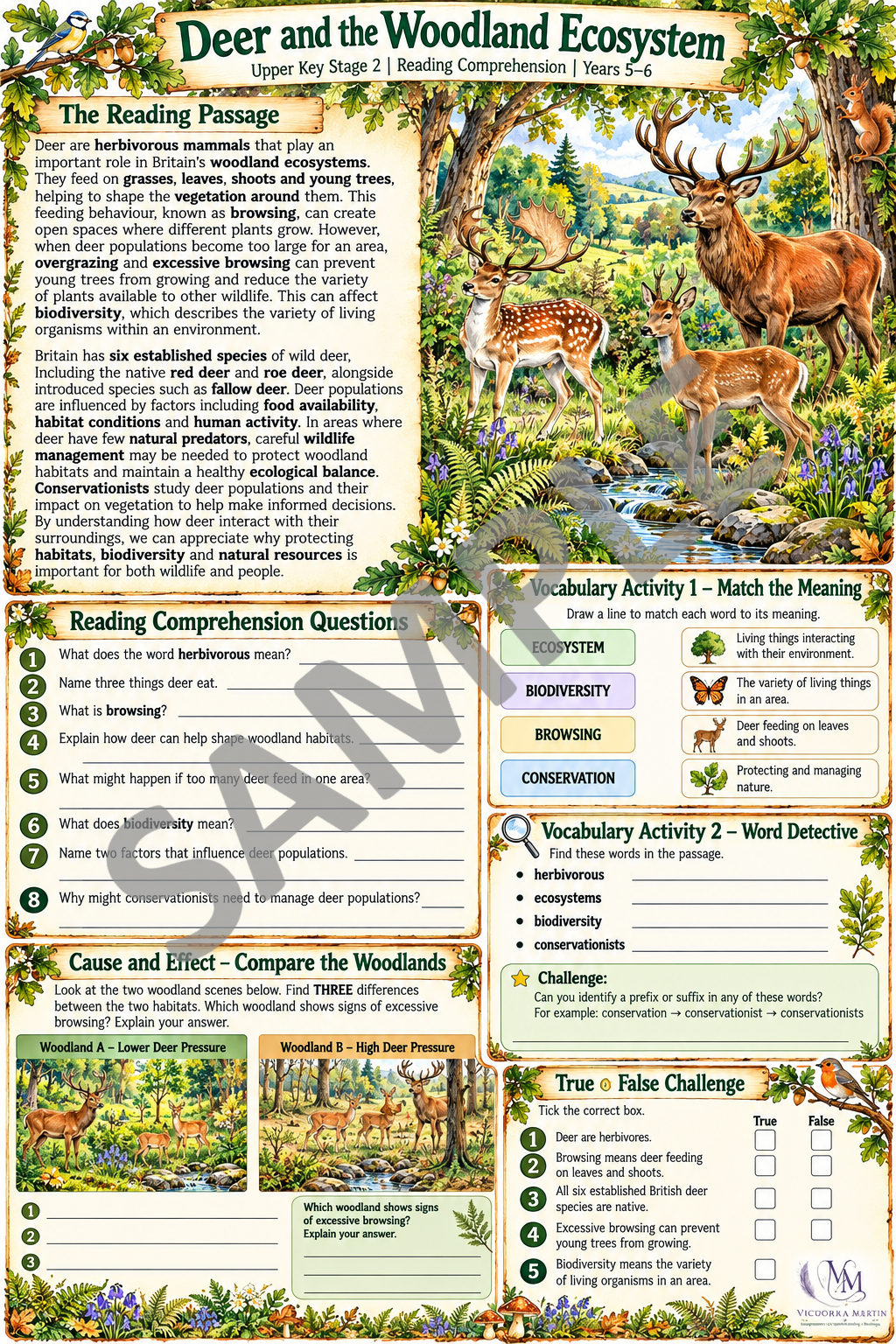
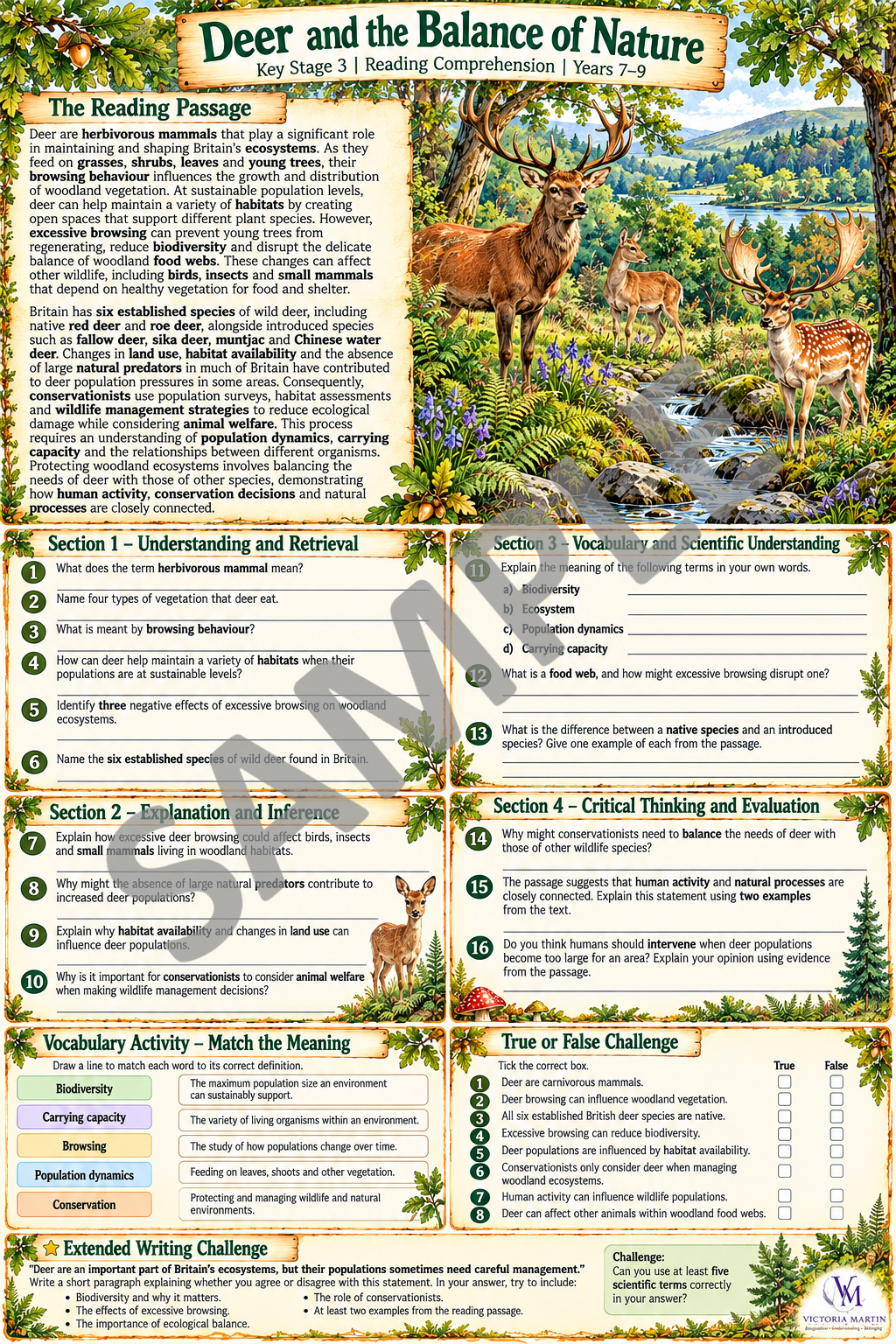
Deer are an important part of Britain's woodland ecosystems, natural food webs and changing landscapes.
By eating grasses, leaves and young plants, deer influence which vegetation grows and how woodland habitats develop.
Their movement can also help spread some plant seeds, create pathways and change the structure of vegetation.
However, when deer populations become too large, heavy browsing can prevent young trees, wildflowers and woodland plants from growing successfully.
This can affect woodland regeneration, habitat diversity and the wildlife that depends on these plants.
Maintaining healthy deer populations is therefore an important part of woodland conservation, habitat management and protecting biodiversity.
❄️ Deer Through the Seasons
Spring: Many deer begin feeding on fresh new vegetation, while some species prepare for the arrival of their young and others continue their seasonal breeding activities.
Summer: Deer may spend time grazing, resting in sheltered places and caring for their young.
Autumn: Red and fallow deer enter their breeding season, while woodland food sources begin changing.
Winter: Deer continue searching for available vegetation, sheltered resting places and suitable feeding areas during colder weather.
✨ Did You Know?
Red deer are Britain's largest wild land mammals, with mature males sometimes weighing more than 200 kilograms.
A male roe deer usually grows small antlers, while a male fallow deer can develop broad, flattened antlers.
Reeves's muntjac can breed throughout the year, meaning their young may be born during different seasons.
Chinese water deer use their long canine teeth, rather than antlers, during displays and competition with other males.
Although deer may appear quiet and gentle, they are powerful wild animals that should always be treated with respect.
🍃 Look, Notice and Explore!
Next time you visit a woodland, nature reserve or quiet countryside path, see whether you can spot signs of deer.
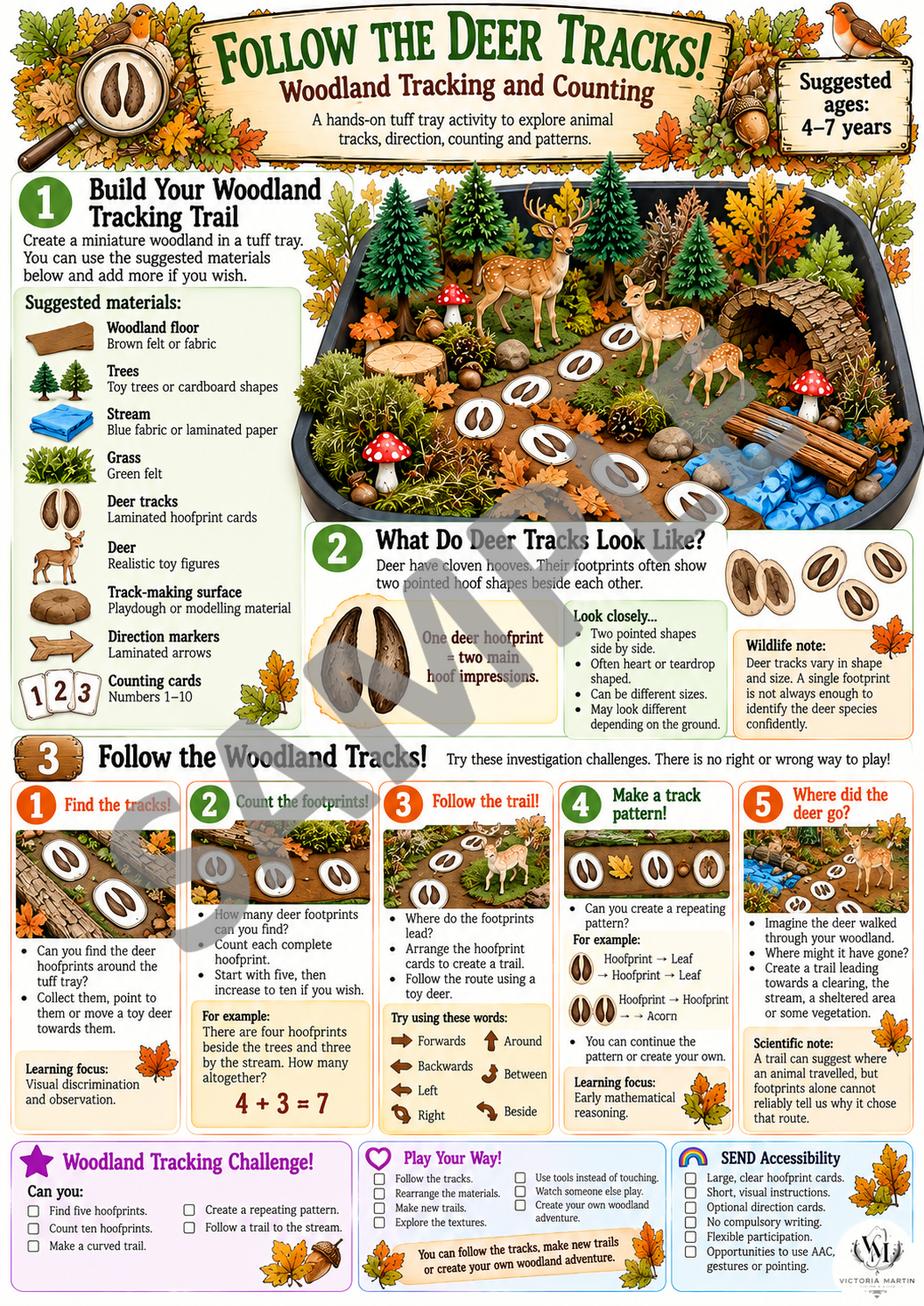
Look for small hoofprints, nibbled vegetation or deer droppings along woodland paths.
You might even notice tracks through long grass, flattened resting places or rub marks on trees.
If you spot a deer, remember to stay quiet, keep a safe distance and avoid approaching or feeding it.
Never approach young deer, rutting males or animals that appear injured or frightened.
If you are concerned about an injured deer, contact a qualified wildlife rescue organisation rather than attempting to approach or handle the animal.
Nature is full of wonderful wildlife, and observing animals quietly and respectfully helps us protect their natural behaviour.
Resources and Further Information
Further Information
Deer Species - The British Deer Society
https://www.countryfile.com/wildlife/mammals/british-deer-guide
Deer Facts - Wildlife Aid Foundation
The NHBS Guide to UK Deer Identification
https://bds.org.uk/information-advice/about-deer/the-deer-rut/
Wild deer: nature's most mighty | The Wildlife Trusts
Managing deer in the nation’s forests | Forestry England
Roe deer | The Wildlife Trusts
https://www.wildlifetrusts.org/wildlife-explorer/mammals/red-deer