

October
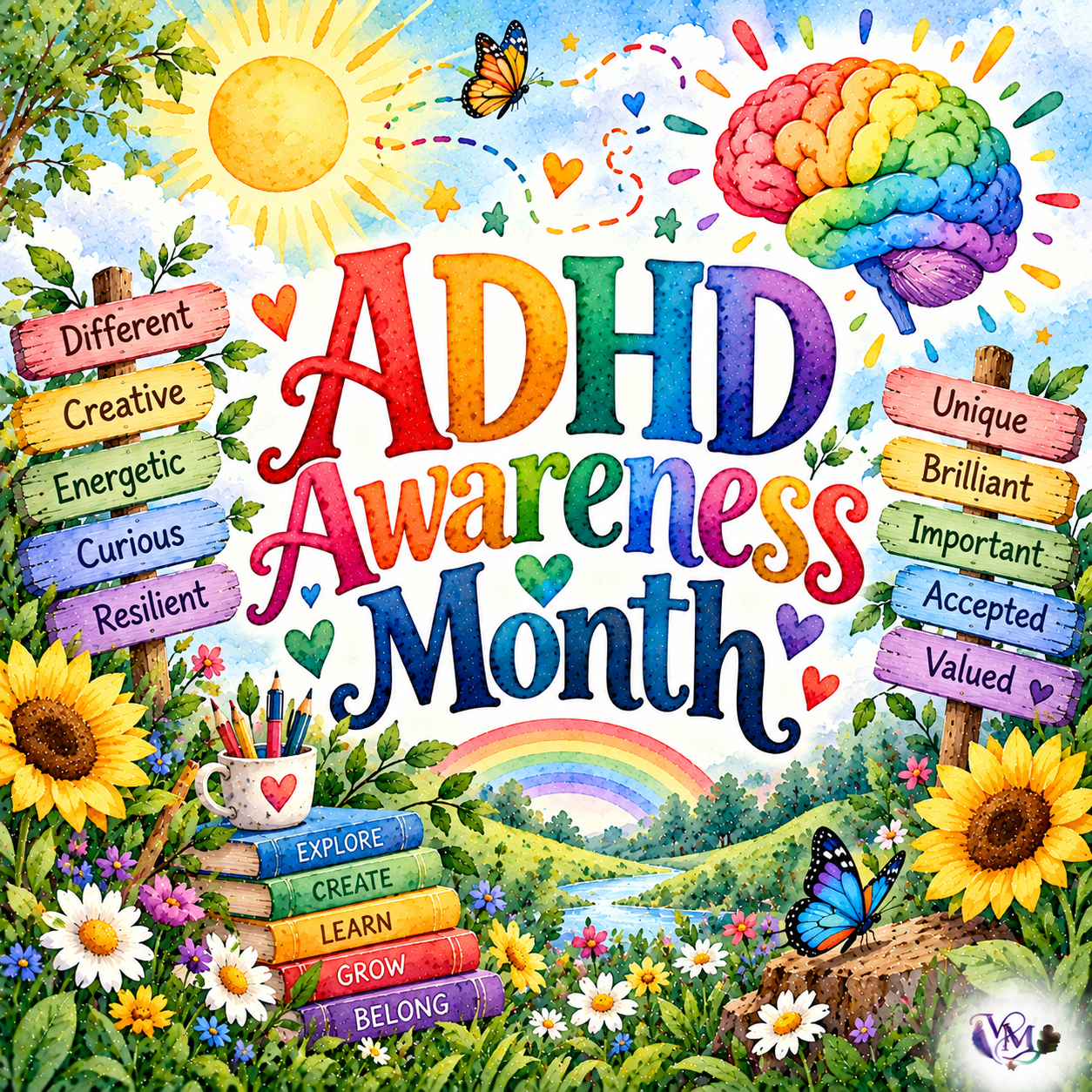
ADHD Awareness Month takes place throughout October and aims to increase understanding of Attention Deficit Hyperactivity Disorder (ADHD). It is an opportunity to challenge misconceptions, share accurate information, celebrate individual strengths and experiences, and promote greater understanding, acceptance and appropriate support for ADHD children and adults.
Halloween (31st October) is a celebration with roots in ancient seasonal traditions that has developed into a day of costumes, pumpkins, trick-or-treating and spooky fun. It is an opportunity to explore Halloween traditions, creativity and seasonal activities in a fun and inclusive way.
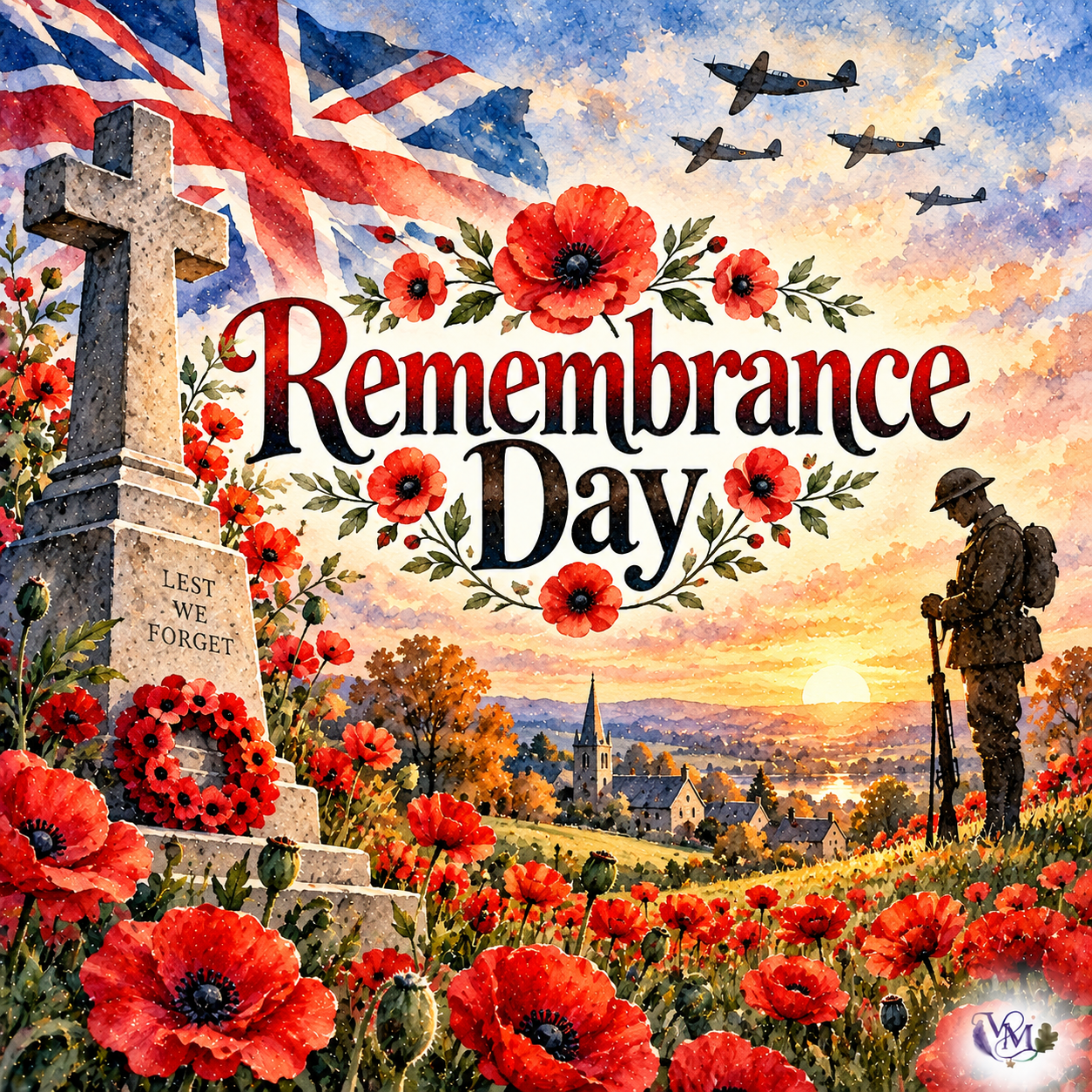
Remembrance Day (11th November) and Remembrance Sunday honour those affected by war and conflict. Through poppies and moments of silence, we explore history, peace and remembrance in a respectful and inclusive way.
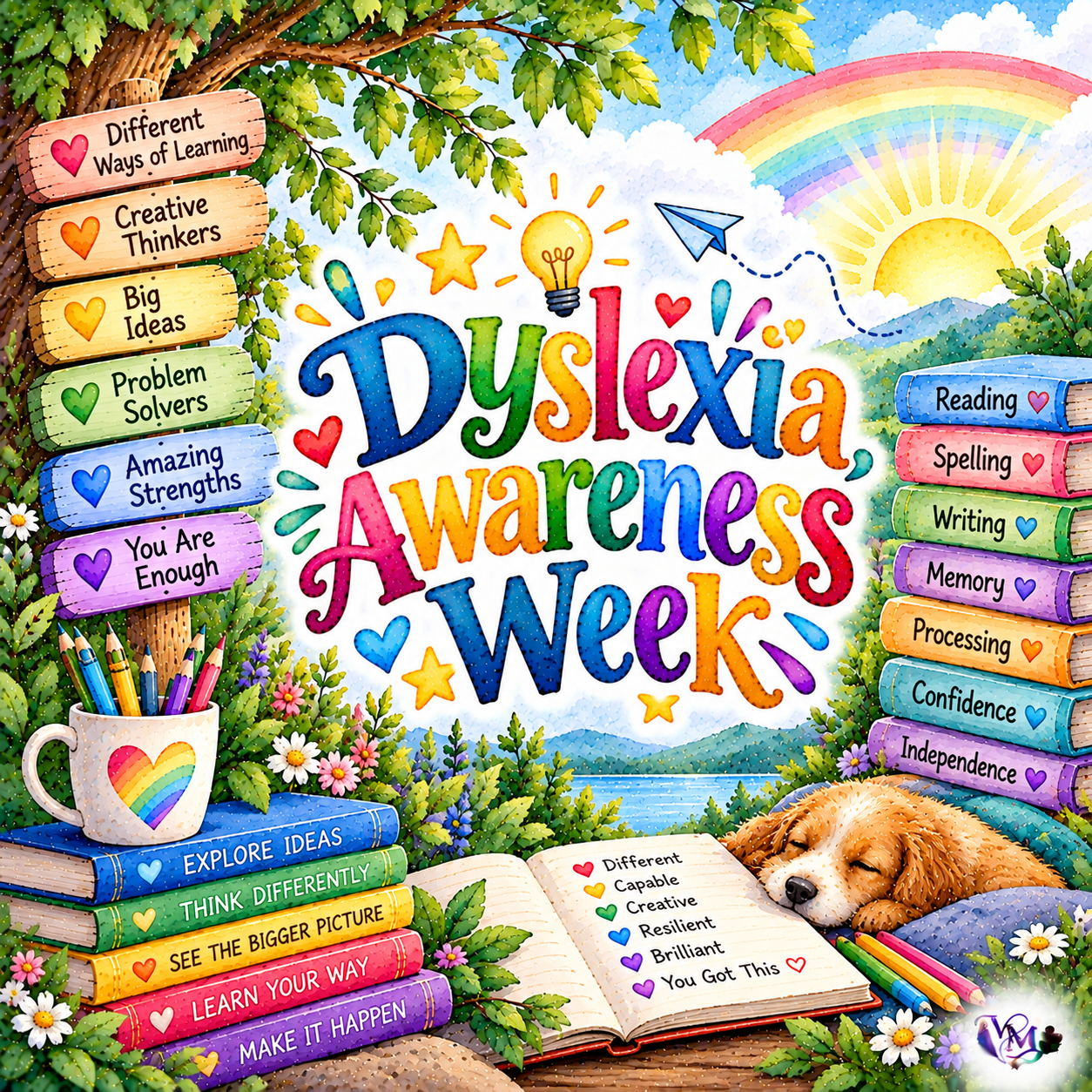
Dyslexia Awareness Week (5th–11th October 2026) is a week dedicated to increasing understanding of dyslexia and the different ways people learn and process information. It is an opportunity to challenge misconceptions, promote inclusive support and celebrate the individual strengths, abilities and experiences of dyslexic people.
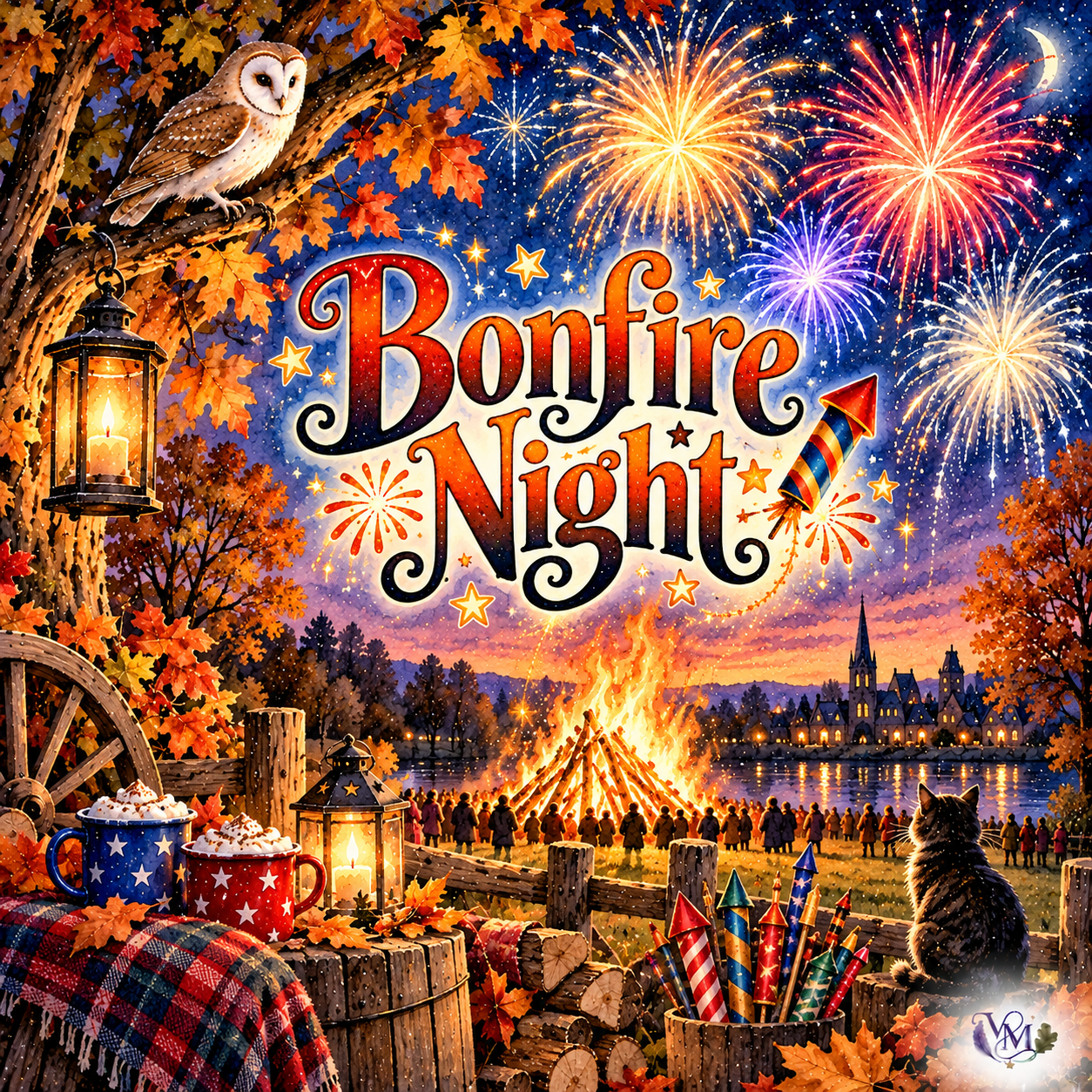
Bonfire Night (5th November) is a British tradition remembering the failed Gunpowder Plot of 1605, which has developed into an annual celebration of fireworks, bonfires, colourful displays and community gatherings. It is an opportunity to explore British history, seasonal traditions, creative activities and sensory experiences in a fun, educational and inclusive way.
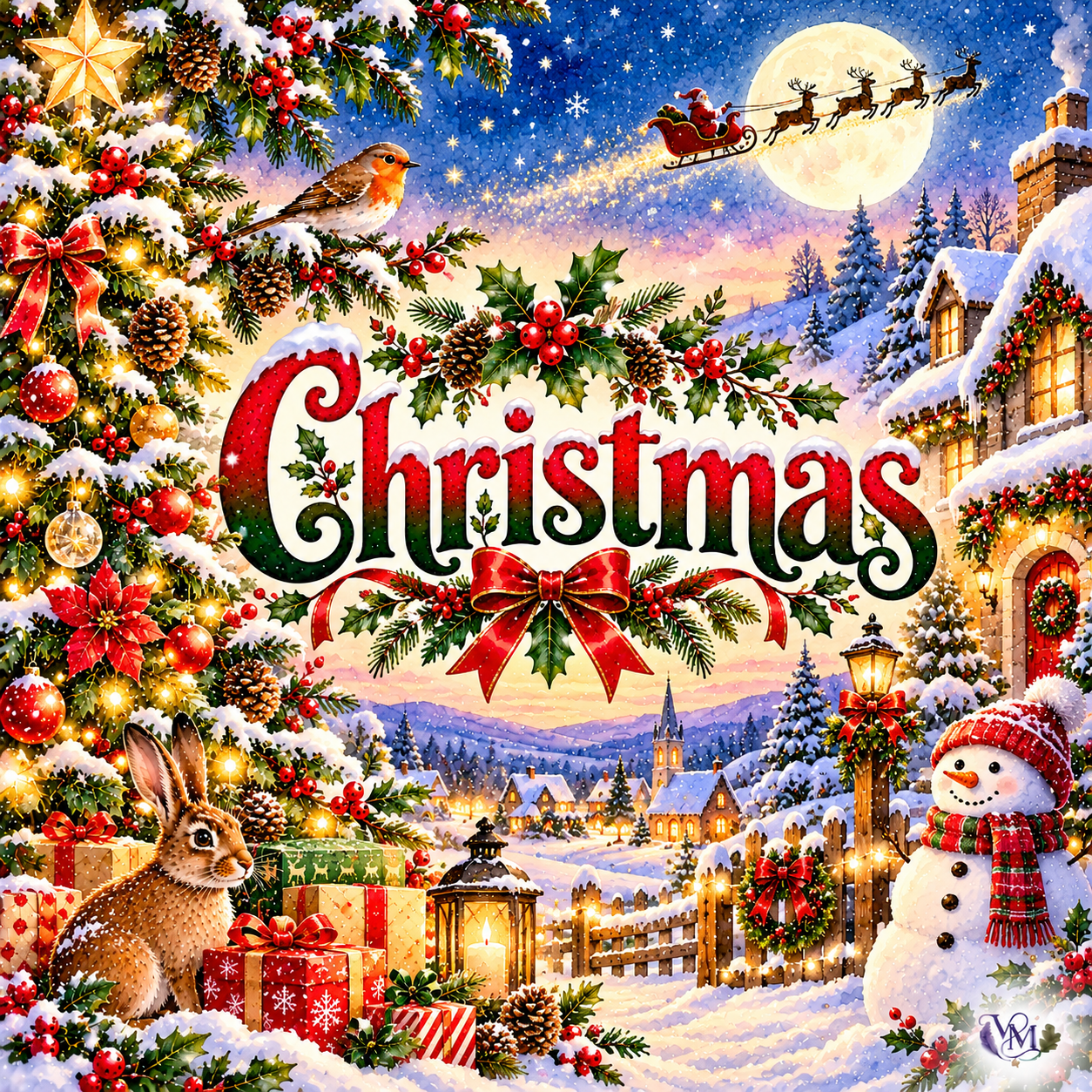
Christmas (25th December) celebrates the birth of Jesus Christ and is also enjoyed through festive traditions, decorations and family gatherings. It offers opportunities to explore history, culture, kindness and creativity in a fun, educational and inclusive way.
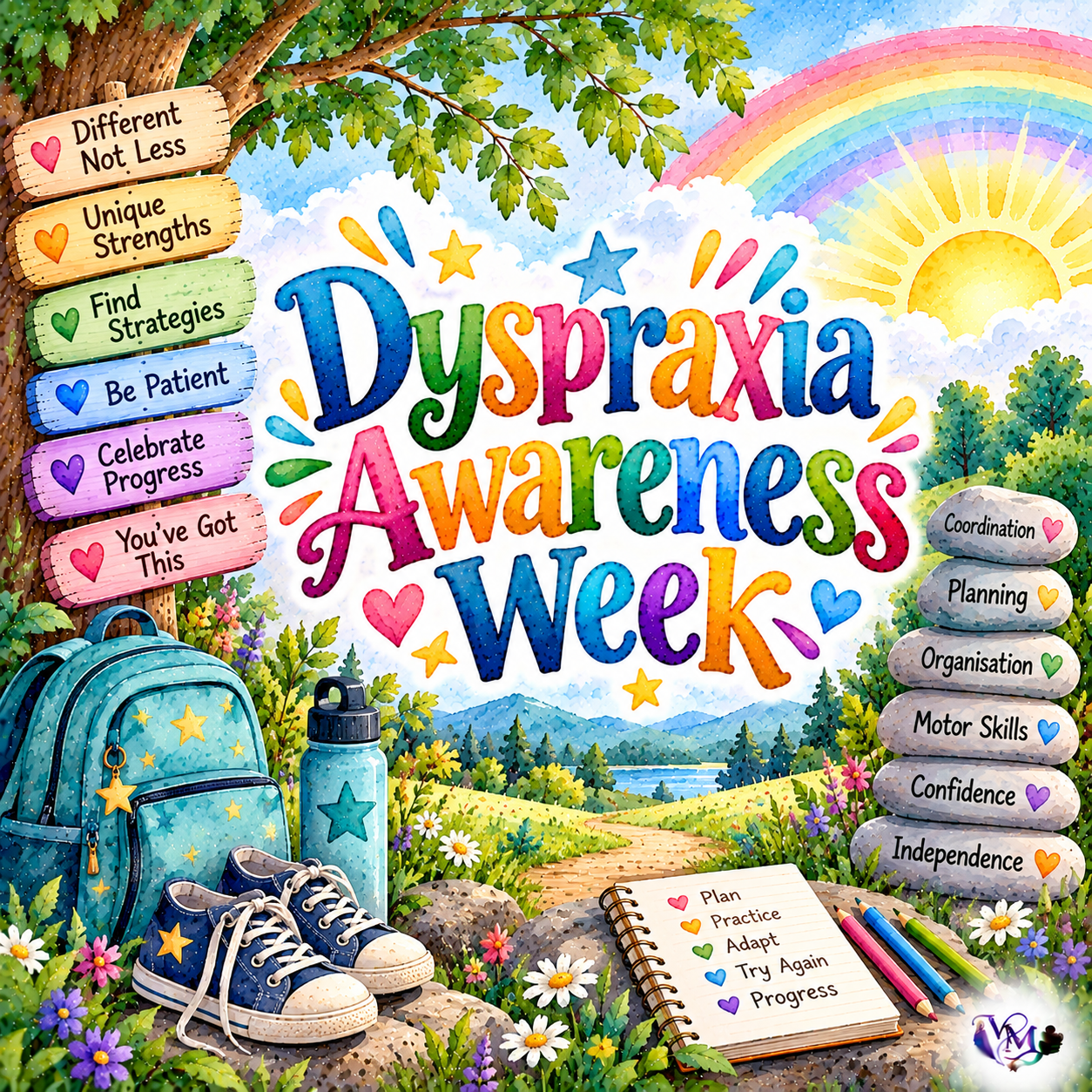
Dyspraxia/DCD Awareness Week (12th–18th October 2026) is dedicated to increasing understanding of dyspraxia, also known as Developmental Coordination Disorder (DCD). It is an opportunity to raise awareness, challenge misconceptions and promote understanding, inclusion and appropriate support for people with DCD.
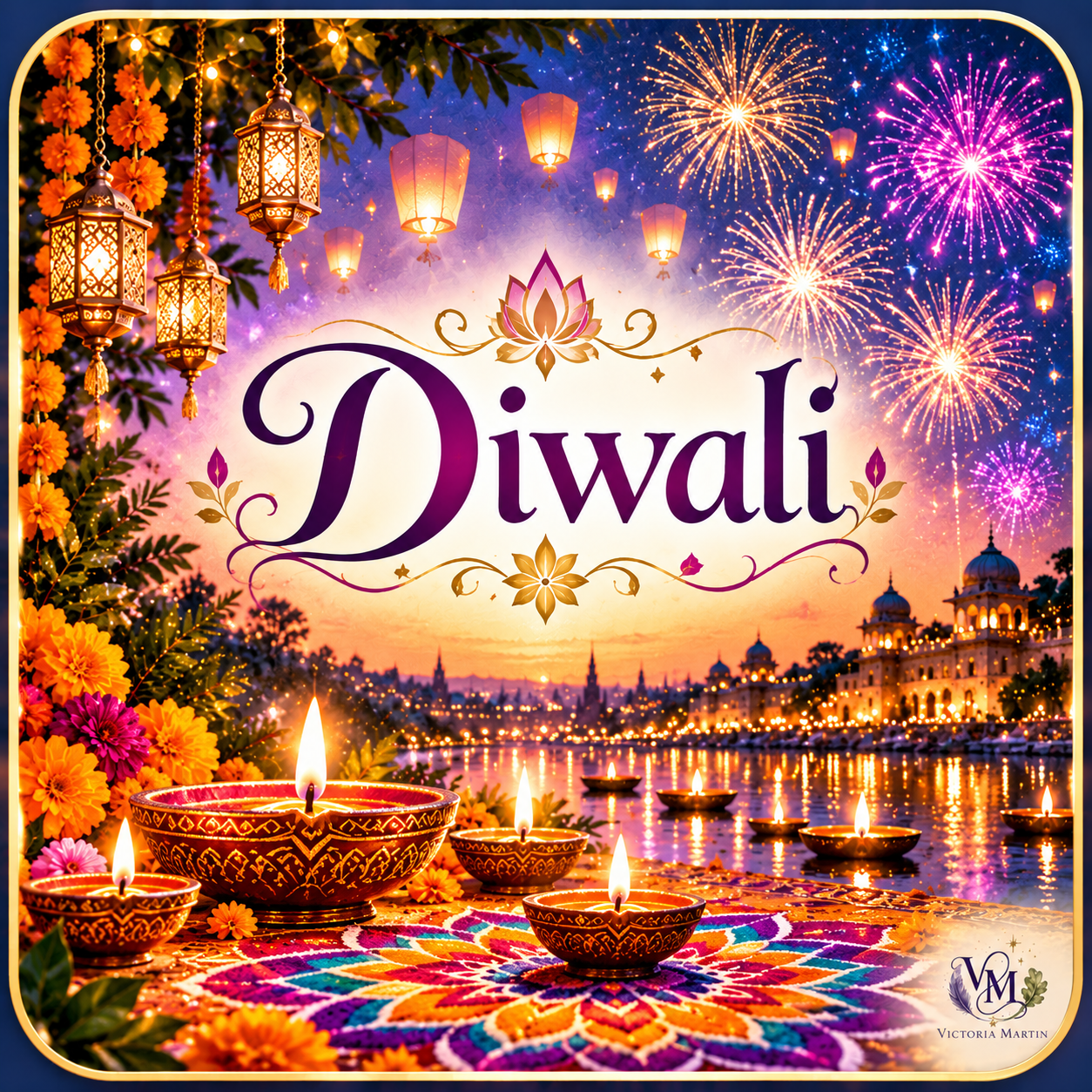
Diwali (Festival of Lights) is celebrated by Hindus, Jains and Sikhs, with different religious meanings and traditions. Celebrations often include diyas (oil lamps), colourful rangoli, festive foods and family gatherings, symbolising light, hope and new beginnings. It offers an opportunity to explore cultural traditions, creative activities and sensory experiences in a fun, educational and inclusive way.
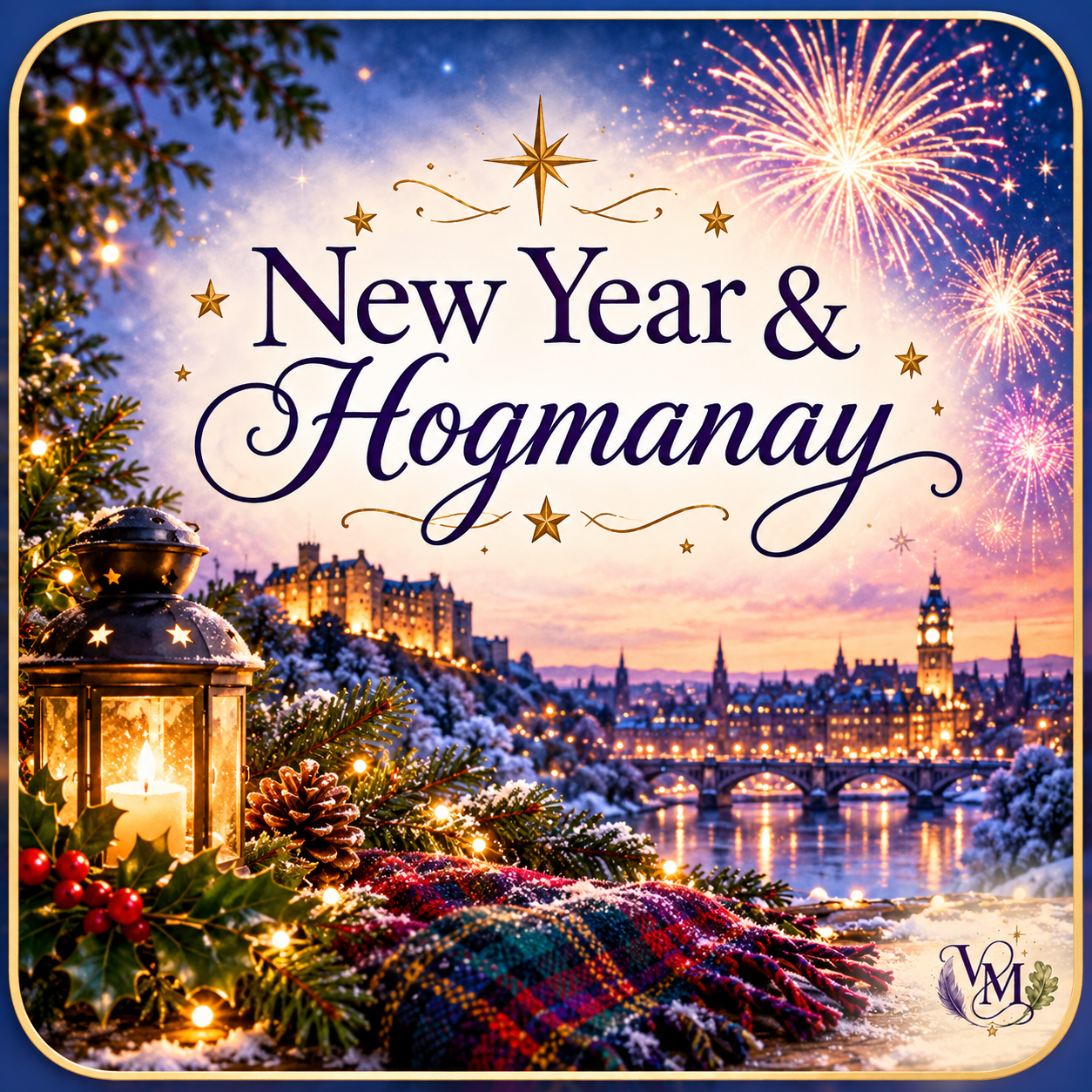
New Year (1st January) and Hogmanay (31st December) celebrate new beginnings and Scottish traditions. Through fireworks, countdowns and first-footing, we explore history, culture and celebrations in a fun and inclusive way.