
🪔 Diwali — The Festival of Lights
Discover the Colours, Traditions and Meaning of Diwali
Have you ever seen beautiful glowing lamps, colourful rangoli patterns or homes decorated with sparkling lights during autumn?
These wonderful sights are often part of Diwali, a festival of lights celebrated by millions of people around the world.
Diwali is a time associated with light, hope, family, reflection and new beginnings, although its religious meaning varies between different communities.
✨ What Is Diwali?
Diwali, also known as Deepavali, is an important festival in Hinduism and Jainism, while Sikh communities observe Bandi Chhor Divas around the same time, and some Buddhist communities participate in related celebrations.
The name Deepavali comes from Sanskrit and is commonly understood to mean a row of lights or a row of lamps.
Diwali usually takes place during October or November, although its exact date changes because it follows traditional Hindu lunisolar calendars.
The festival is often associated with the idea of light overcoming darkness, knowledge overcoming ignorance and hope overcoming difficulty.
However, different religious communities celebrate Diwali and related festivals for different historical, spiritual and cultural reasons.
🪔 Why Is Diwali Celebrated?
For many Hindus, Diwali celebrates the victory of good over evil and the importance of light, wisdom and hope.
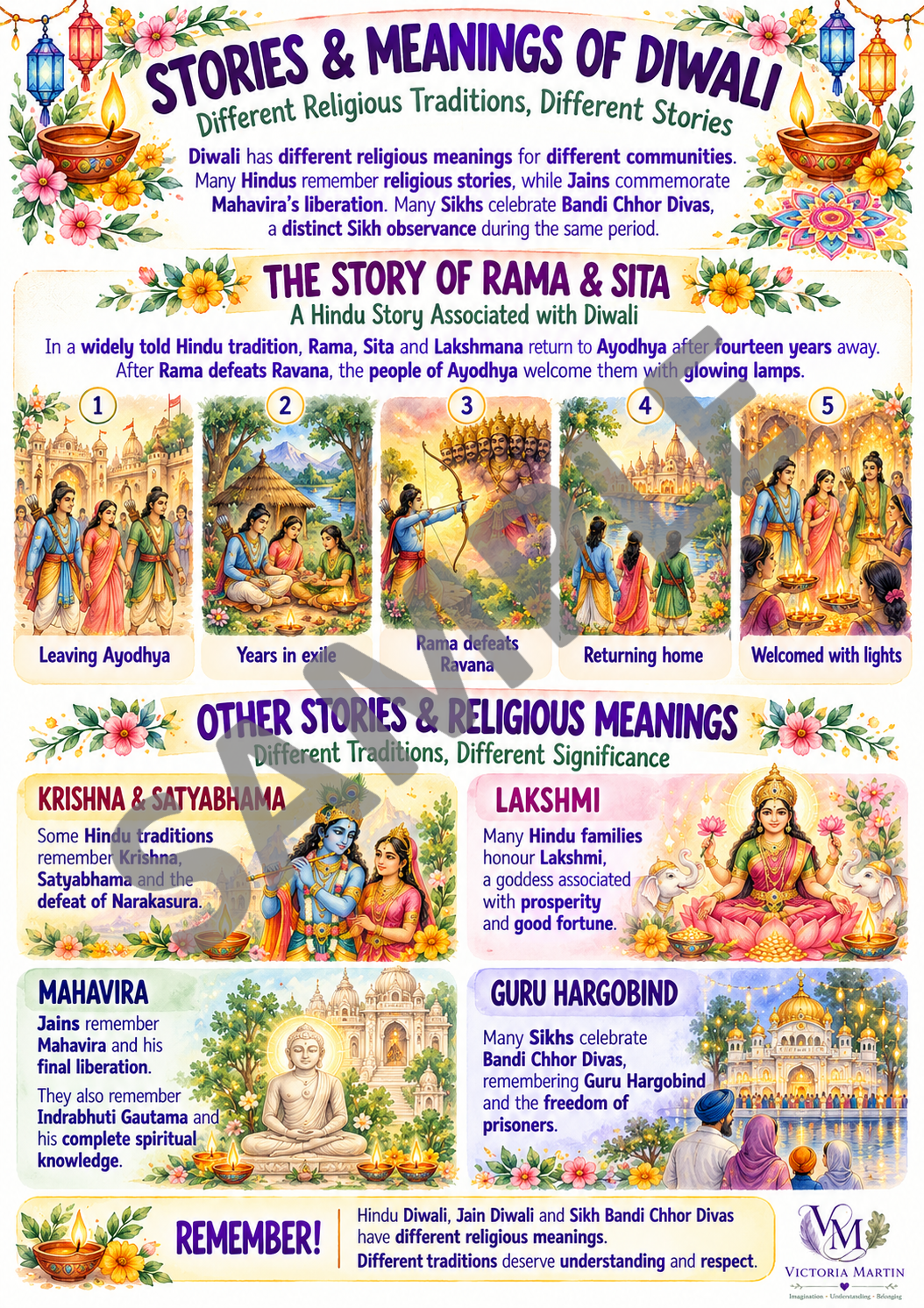
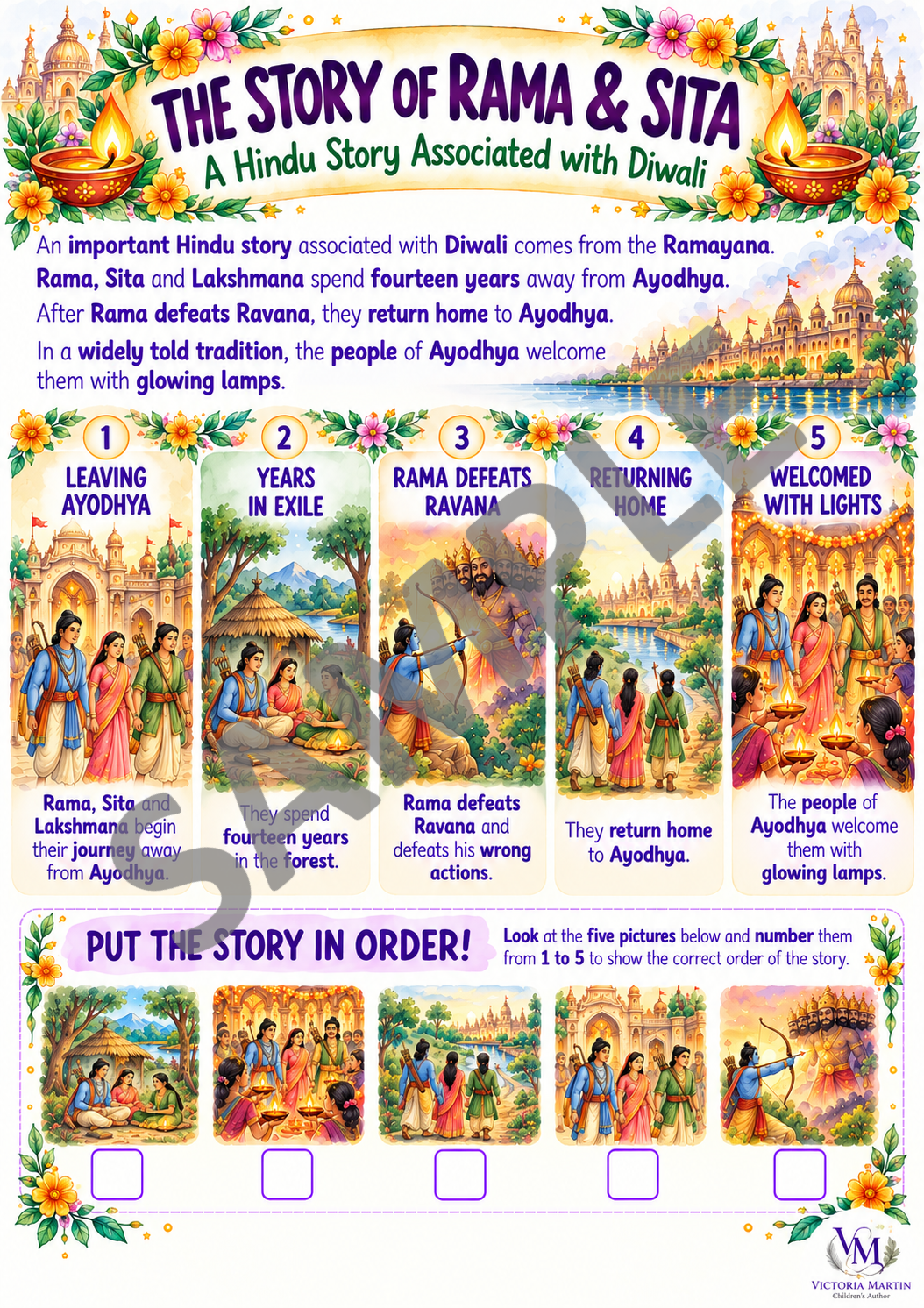
In some Hindu traditions, Diwali is associated with Lord Rama, Sita and Lakshmana returning to Ayodhya after Rama's victory over Ravana.
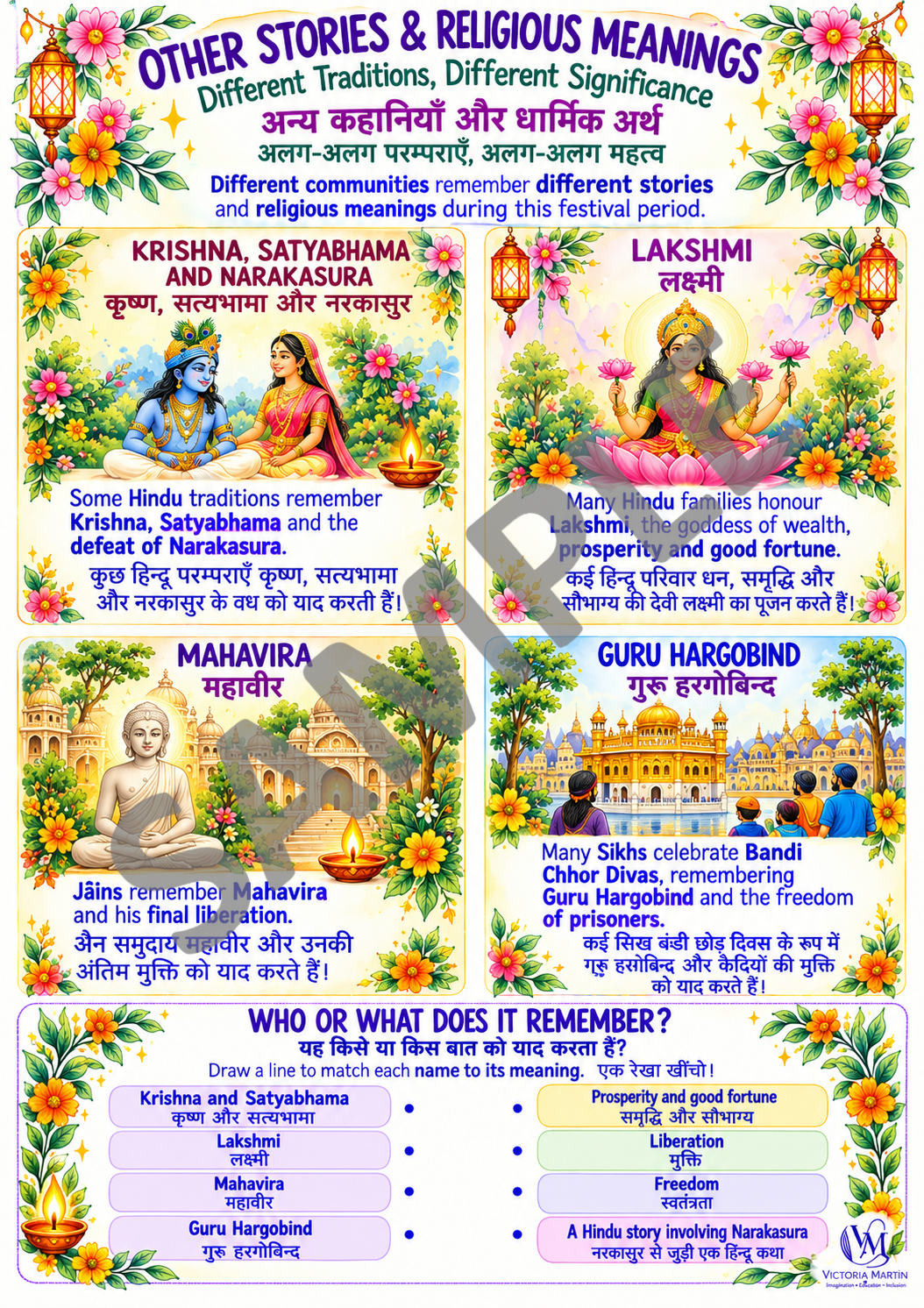
Other Hindu communities honour Lakshmi, the goddess associated with prosperity, good fortune and wellbeing.
In different parts of India, Hindu communities may also celebrate stories involving Krishna and Narakasura, or honour Goddess Kali during this period.
For Jains, Diwali commemorates Lord Mahavira attaining moksha, or liberation from the cycle of rebirth.
Many Sikhs observe Bandi Chhor Divas around the time of Diwali, remembering Guru Hargobind's release from imprisonment alongside 52 other imprisoned rulers, and reflecting on freedom and justice.
Some Buddhist communities, particularly within Nepal's Newar traditions, participate in related seasonal celebrations, although Diwali is not a universal Buddhist festival.
Although the stories and customs differ, many celebrations share themes of reflection, kindness and hope for the future.
🏠 How Do Families Prepare for Diwali?
In the days before Diwali, many families spend time cleaning their homes, preparing decorations and getting ready to welcome visitors.
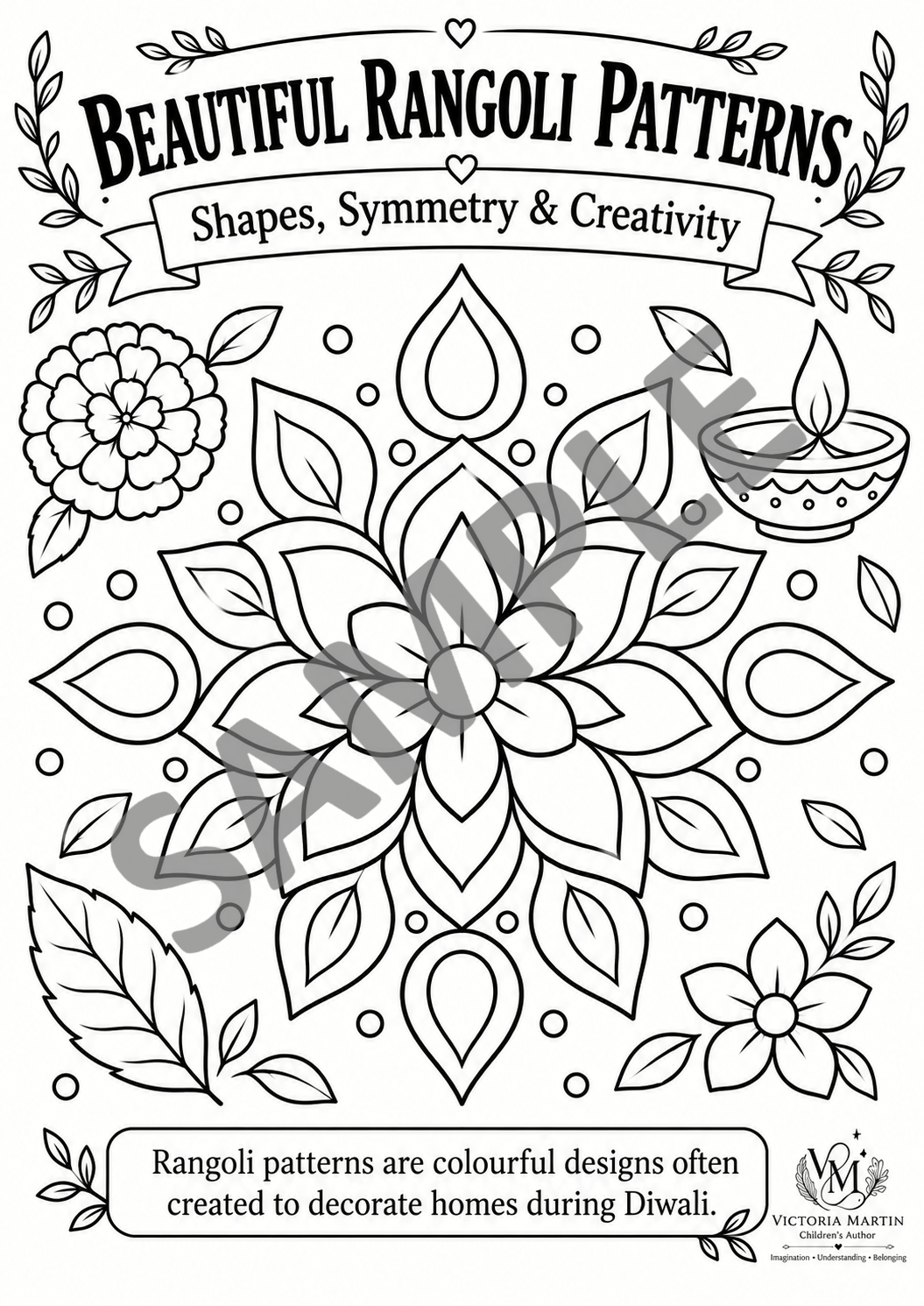
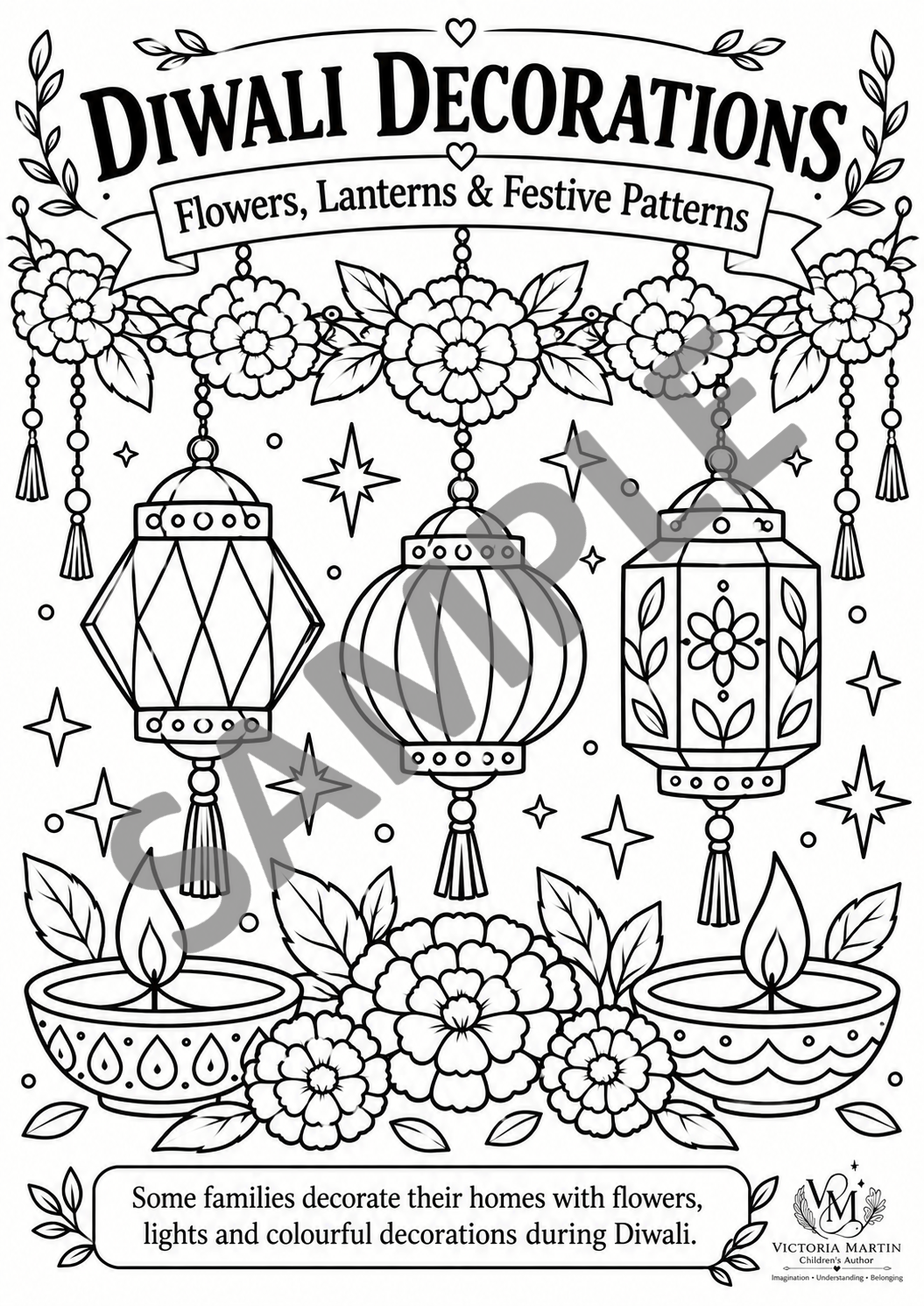
Some families decorate their doorways with rangoli patterns, created using coloured powders, flowers or other materials.
These beautiful designs often feature geometric shapes, flowers and colourful repeating patterns.
Families may also prepare traditional foods, special sweets and festive clothing for their celebrations.
Preparations vary between families, regions and religious traditions, so there is no single way that everyone celebrates Diwali.
🪔 What Are Diyas?
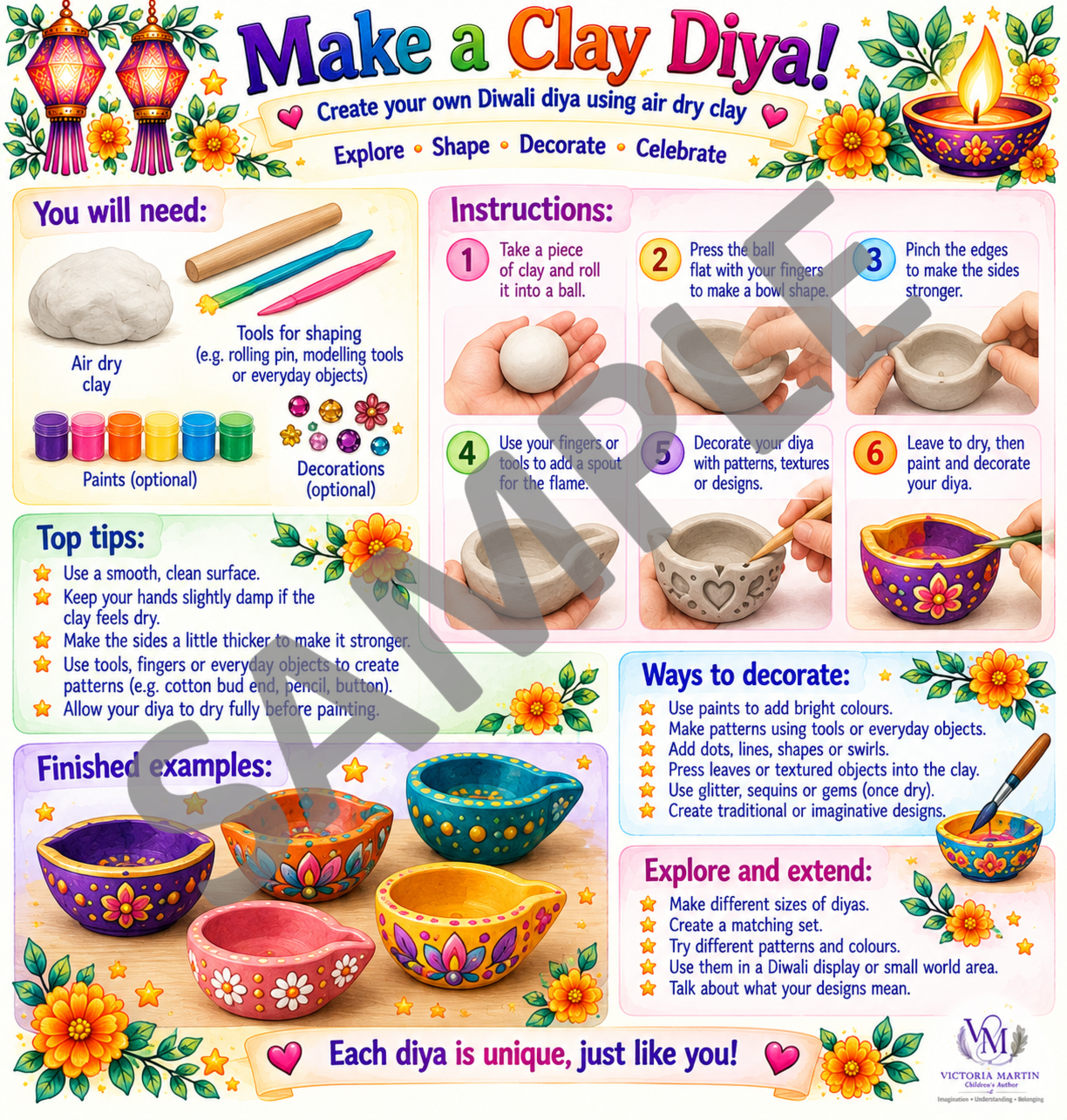
One of the most recognisable symbols of Diwali is the diya, a small traditional lamp often made from clay.
Diyas are traditionally filled with oil or ghee and contain a cotton wick that is lit to produce a small flame.
During Diwali, families may place diyas around homes, doorways and places of worship.
The glowing lamps can symbolise light, knowledge and hope, depending on the tradition being celebrated.
Because traditional diyas contain open flames, they should be used with adult supervision and kept away from flammable materials.
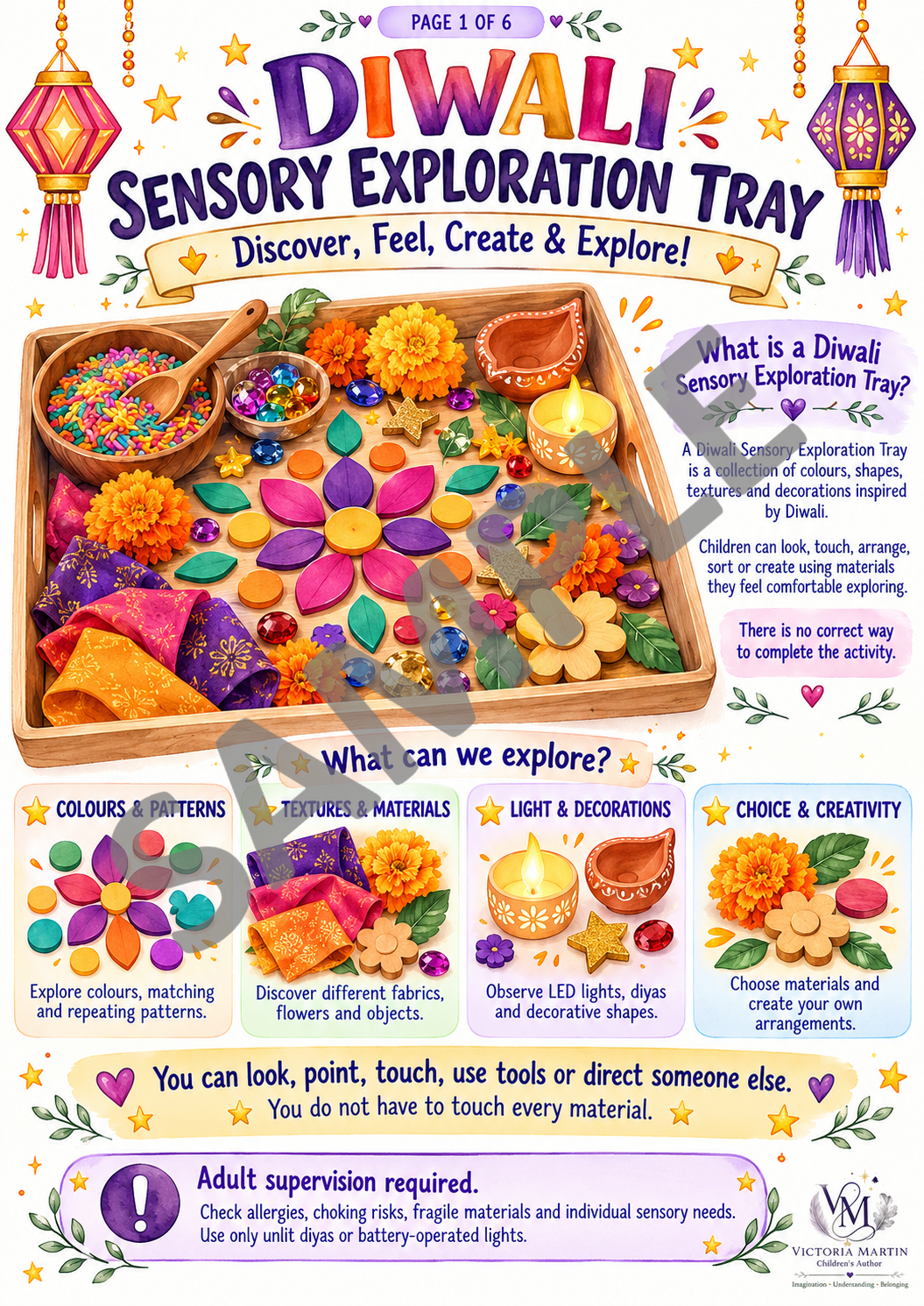
Today, some families also use electric lights, LED candles or battery-operated diyas as alternatives to open flames.
🎨 What Is Rangoli?
Rangoli is a decorative art form in which colourful patterns are created on the floor or ground.
Designs may include flowers, geometric shapes, circles and repeating patterns.
Traditional rangoli can be made using coloured powders, rice flour, flower petals or other materials.
In some communities, rangoli designs are created to welcome visitors, decorate entrances and celebrate special occasions.
Rangoli is not exclusive to Diwali, but it is a popular decorative tradition during the festival of lights.
📅 What Are the Five Days of Diwali?
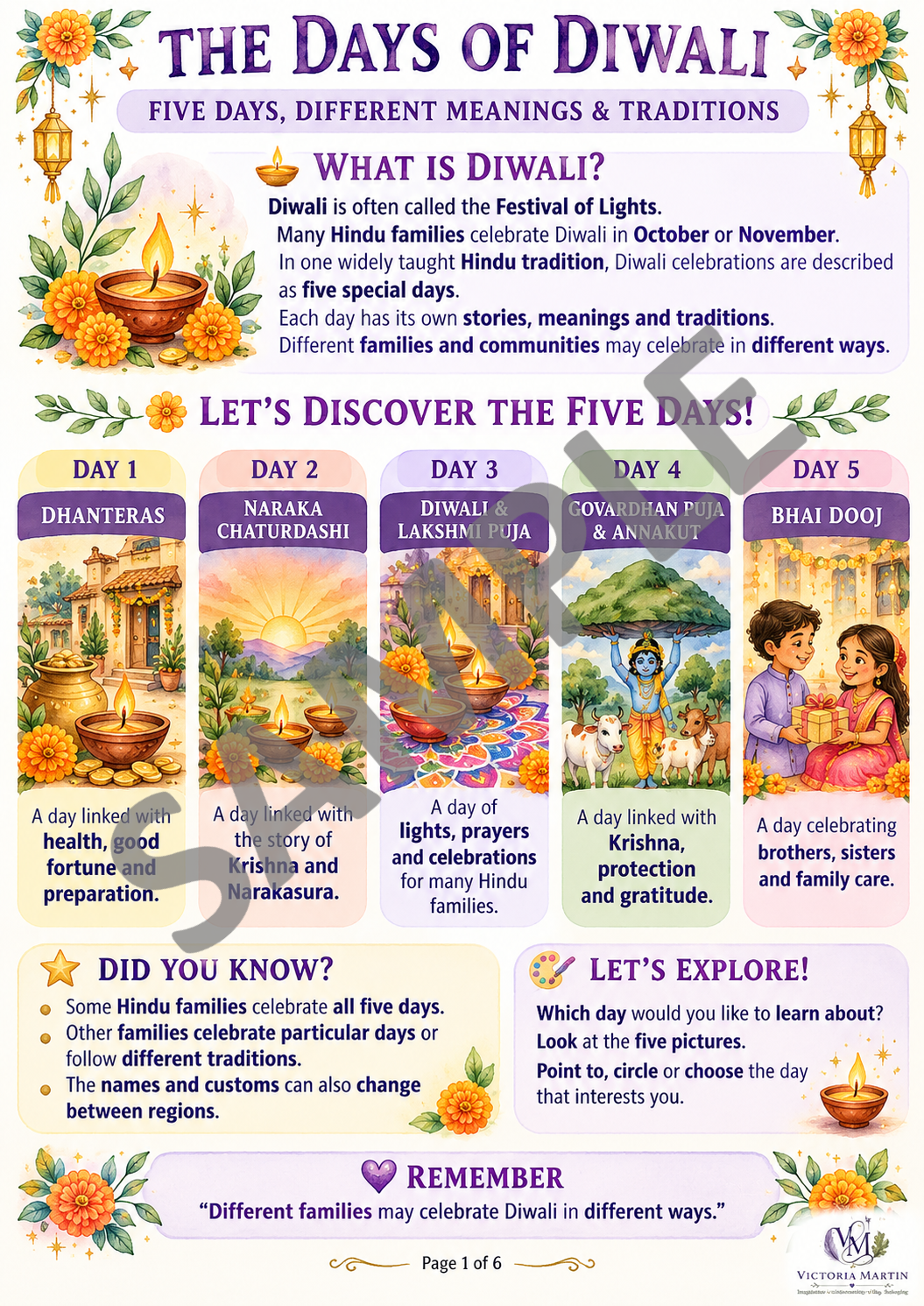
In many Hindu traditions, Diwali is associated with five important observances, although their names, dates and customs vary between regions.
These celebrations do not always fall on five consecutive calendar days, and different communities may observe different traditions.
First Observance — Dhanteras: Some families prepare their homes, purchase special items and offer prayers associated with health and prosperity.
Second Observance — Naraka Chaturdashi: In some traditions, this day remembers the defeat of Narakasura and celebrates the victory of good over evil.
Third Observance — Lakshmi Puja: Often regarded as the main Diwali celebration, this day may include lighting diyas, family gatherings and prayers to Lakshmi.
Fourth Observance — Govardhan Puja or Annakut: Some Hindu communities remember Krishna's protection of villagers and celebrate through offerings and shared food.
Fifth Observance — Bhai Dooj: In many communities, this day celebrates the relationship between brothers and sisters through visits, blessings and gifts.
Not every family follows all five observances, and Sikh, Jain and Buddhist communities have their own meanings and traditions.
🍬 What Foods Are Enjoyed During Diwali?
Food is an important part of many Diwali celebrations, with families preparing special meals, traditional snacks and festive sweets.
Popular sweet treats include laddoo, barfi and jalebi, although recipes vary between families and regions.
Some celebrations also include samosas, savoury snacks and shared family meals.
Offering food to family members, friends and visitors can be an important expression of hospitality and generosity.
🎆 Are Fireworks Part of Diwali?
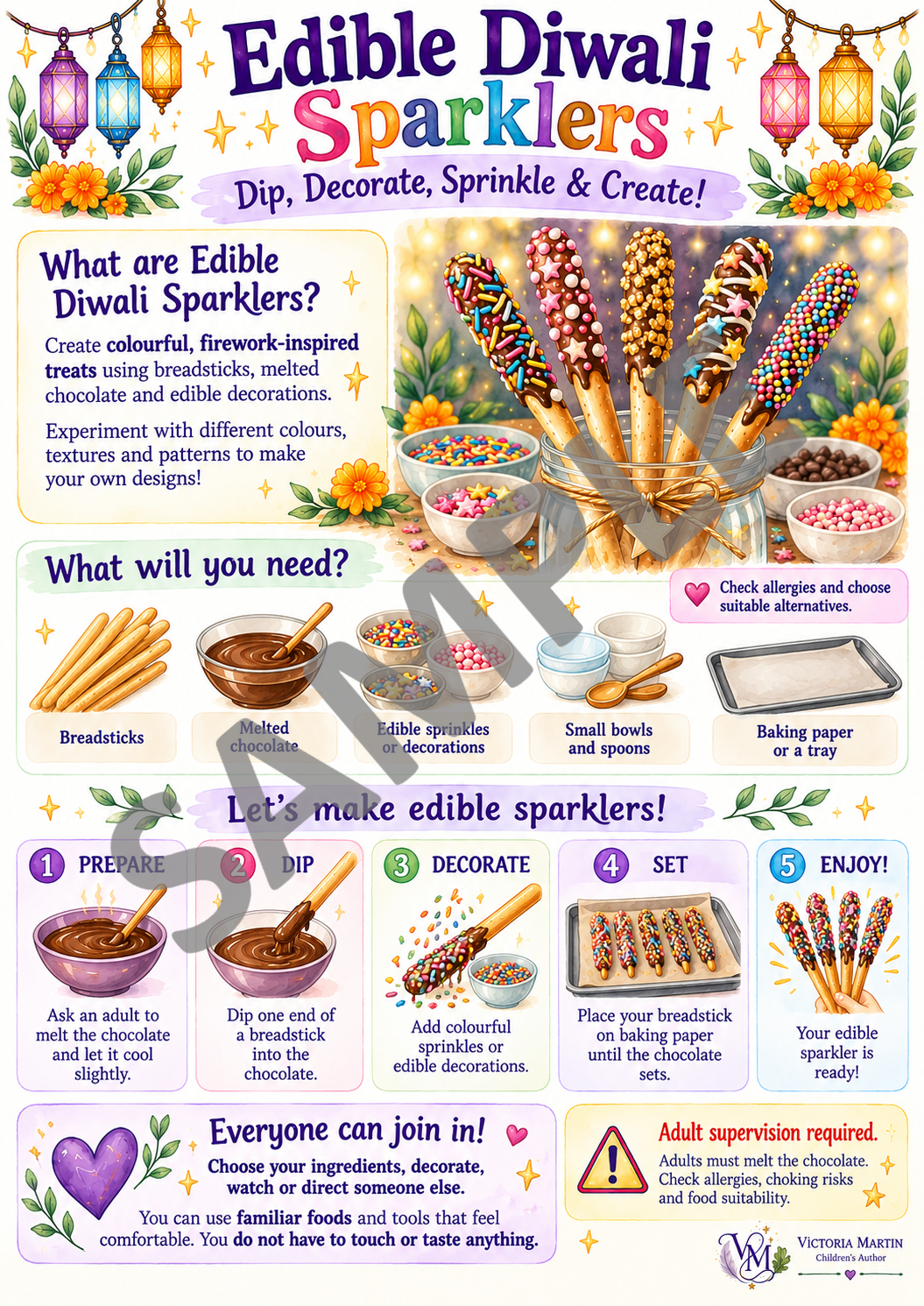
In some communities, fireworks and sparklers are used during Diwali celebrations to create colourful displays.
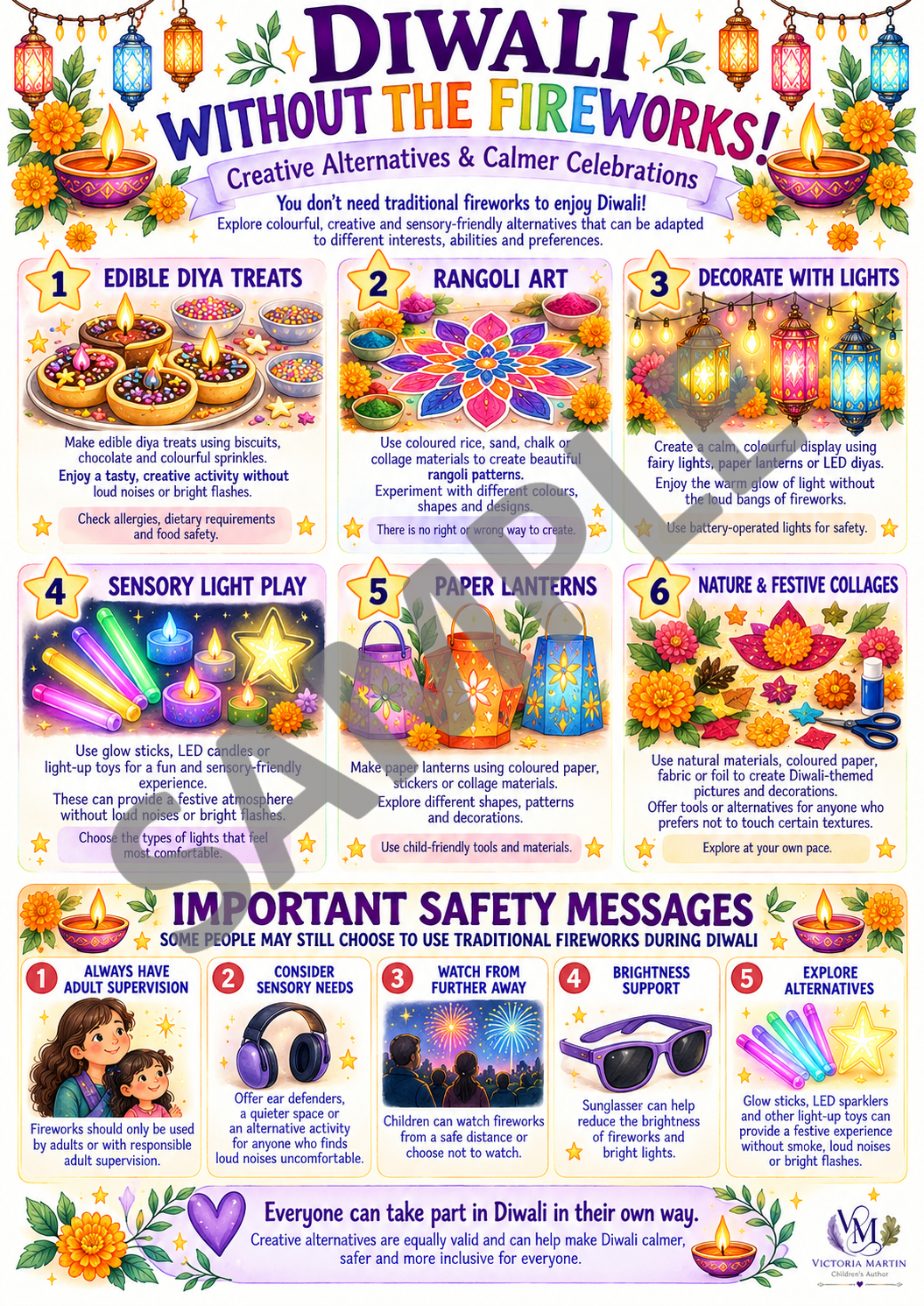
However, not everyone uses fireworks, and many families choose quieter celebrations involving lamps, decorations and shared activities.
Although fireworks are part of some celebrations, they are not essential to every tradition, and many families celebrate through prayer, lights and shared activities.
Fireworks can affect wildlife, pets and people with sensory sensitivities, particularly those who find sudden loud noises distressing.
Families may choose LED lights, paper lanterns or glowing decorations to enjoy the festival without loud sounds.
How Is Diwali Celebrated in the UK?
Diwali is celebrated by many families and communities throughout the United Kingdom, including in homes, temples, gurdwaras and community spaces.
Cities such as Leicester, London and Birmingham are known for hosting Diwali events, cultural performances and community celebrations.
Some schools explore Diwali through stories, art activities, music and learning about different religious traditions.
Celebrations may include traditional clothing, shared meals, prayers, decorations and family gatherings.
As with celebrations elsewhere in the world, UK families observe Diwali in different ways, reflecting their beliefs and personal traditions.
🗣️ What Languages Are Spoken During Diwali?
People celebrating Diwali and related festivals speak many different languages, reflecting their families, communities and cultural backgrounds.
These include Hindi, Gujarati, Punjabi, Tamil, Bengali, Nepali and many other languages.
Although Hindi is widely spoken, it is not the language of every family celebrating Diwali, and some families use more than one language.
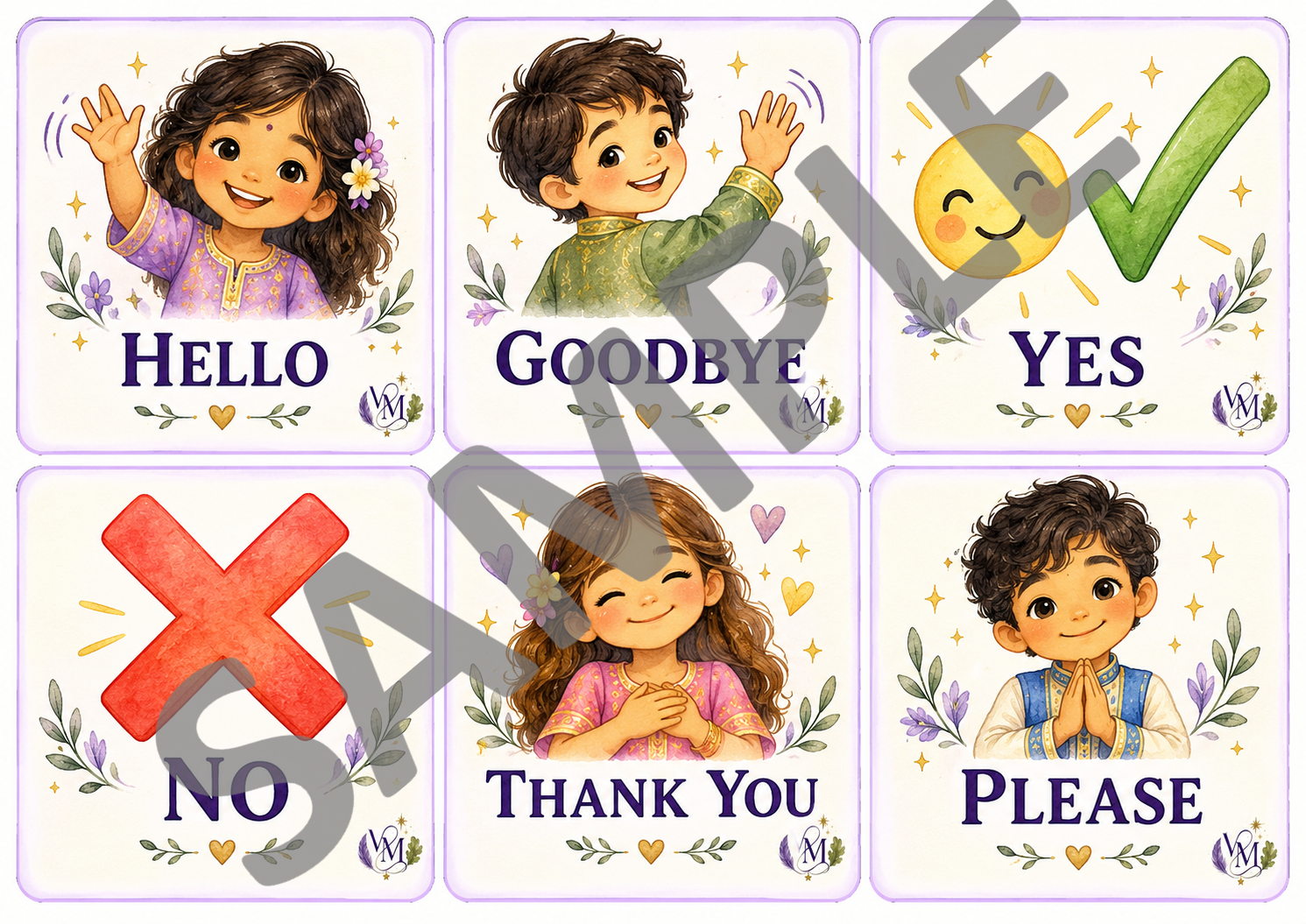
Learning greetings and words from different languages can help us explore cultural diversity and develop respect for other communities.
✨ Did You Know?
The word Deepavali is often translated as a row of lights, reflecting the tradition of lighting small lamps.
Diwali's date changes each year because it follows traditional lunisolar calendars rather than a fixed date on the calendar used in the UK.
Although Diwali is often described as a five-day festival, some communities celebrate for different lengths of time or observe related festivals.
The beautiful patterns called rangoli can be made using flowers, coloured powders and natural materials.
Some families celebrate Diwali with quiet reflection, religious worship and time together, rather than large public events.
🌈 Explore, Create and Celebrate!
You can learn about Diwali by exploring traditional stories, colourful decorations and the different meanings behind the celebrations.
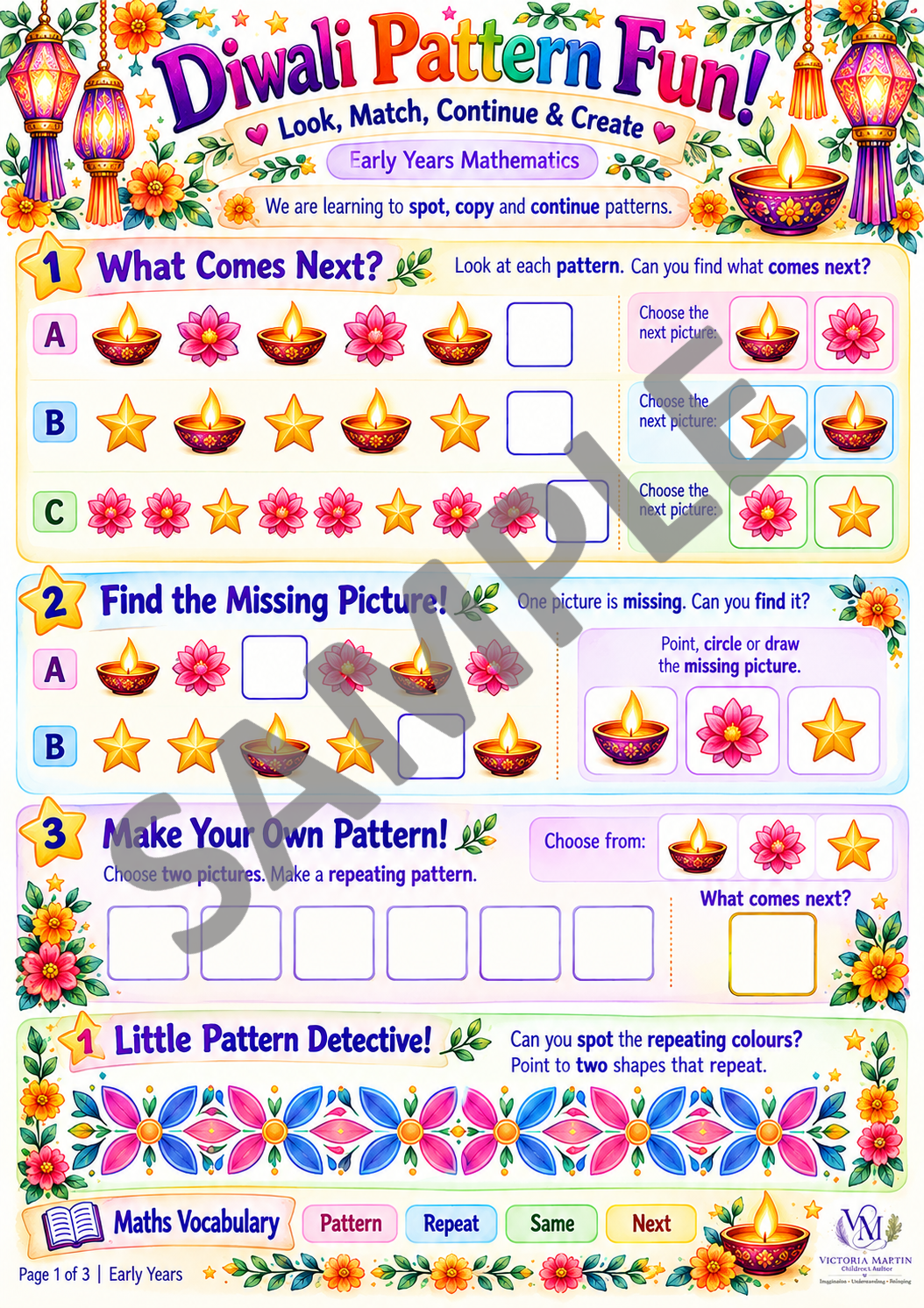
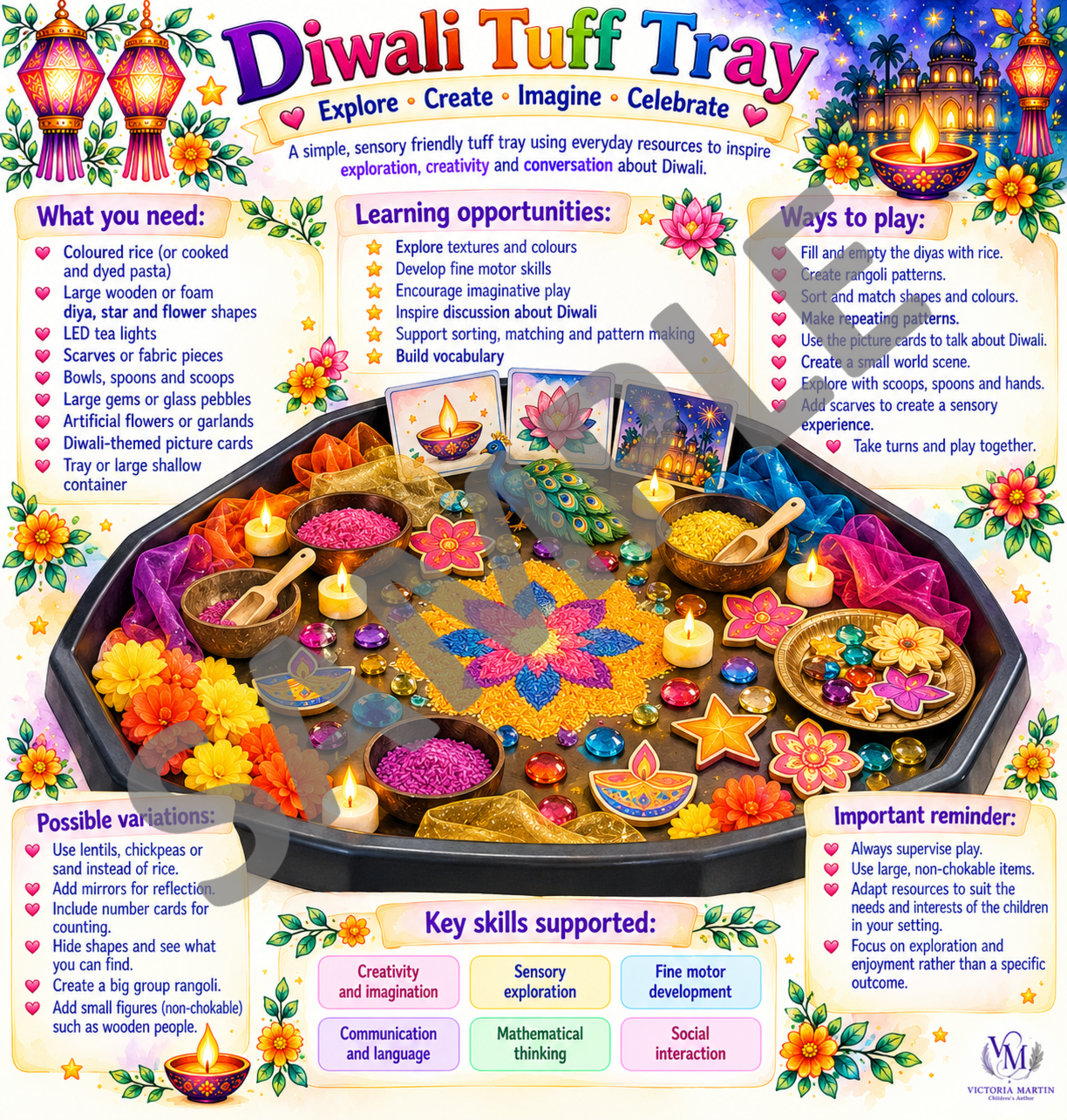
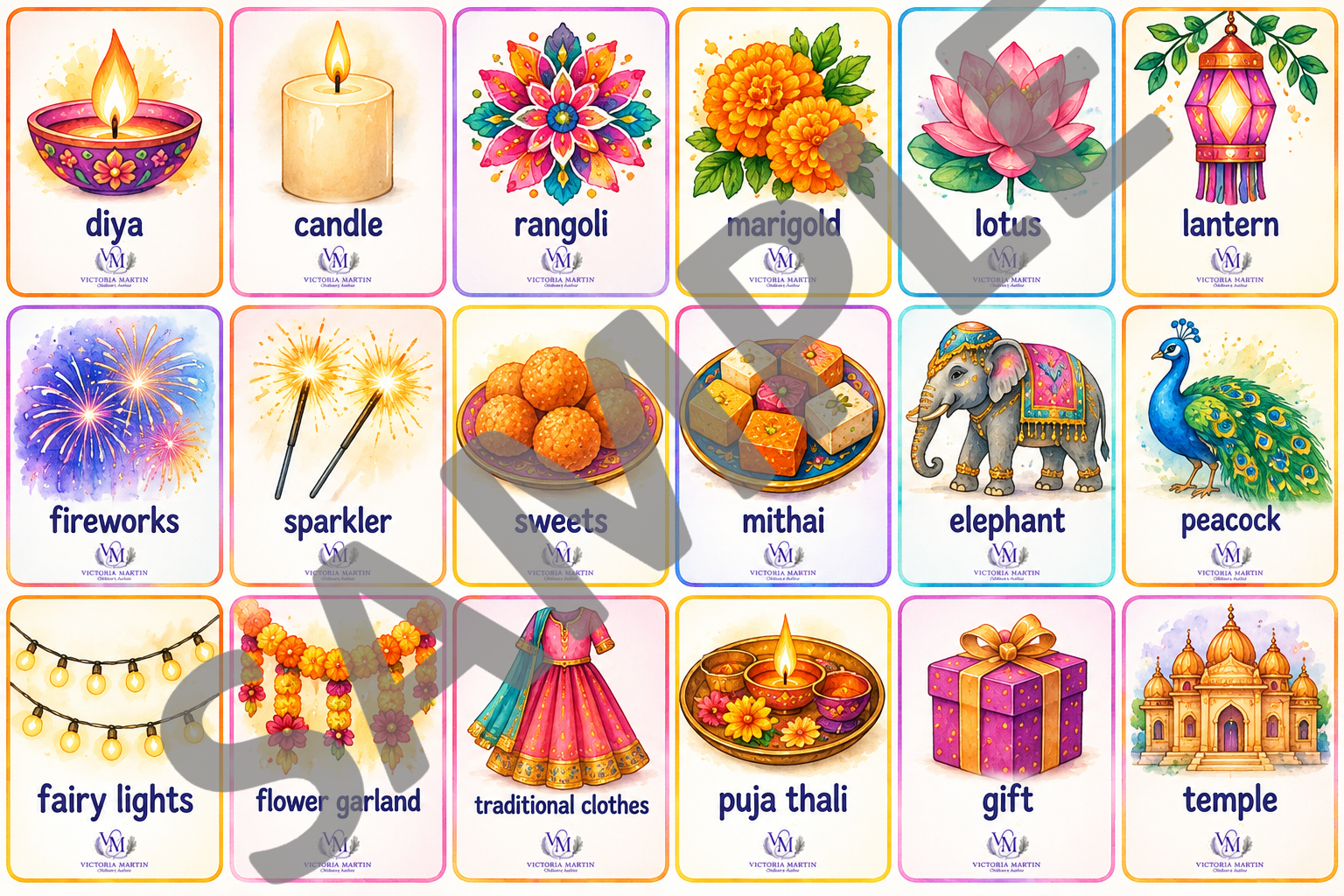
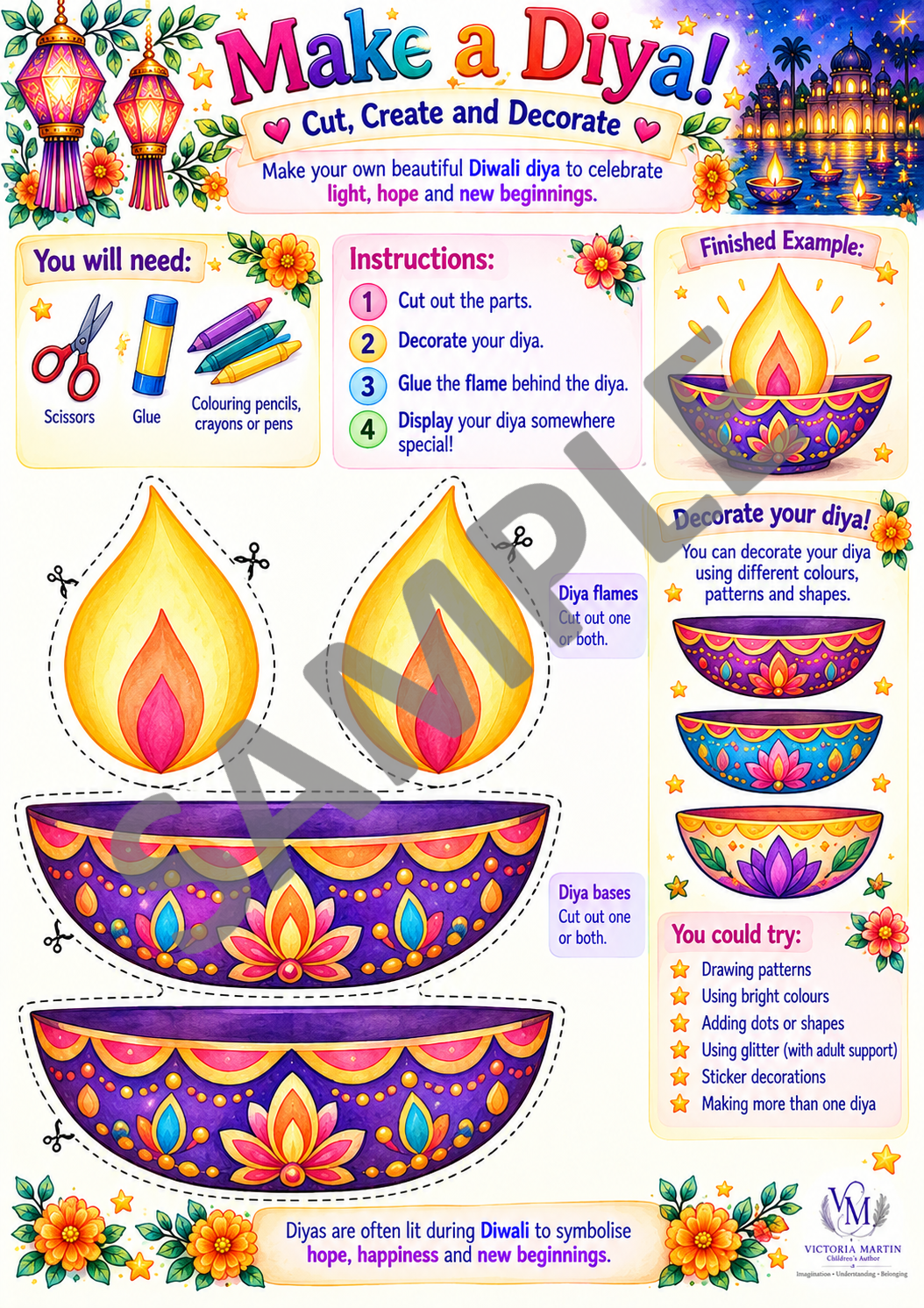
Try creating a paper diya, designing a rangoli pattern or exploring repeating shapes and colours through art.
You might also enjoy listening to music, learning new words or discovering traditional foods associated with the festival.
Remember that Diwali has different meanings for different communities, and learning about these differences helps us understand and respect one another.
Celebrations bring people together, and discovering the traditions of others can help us build curiosity, kindness and understanding.
Resources and Further Information
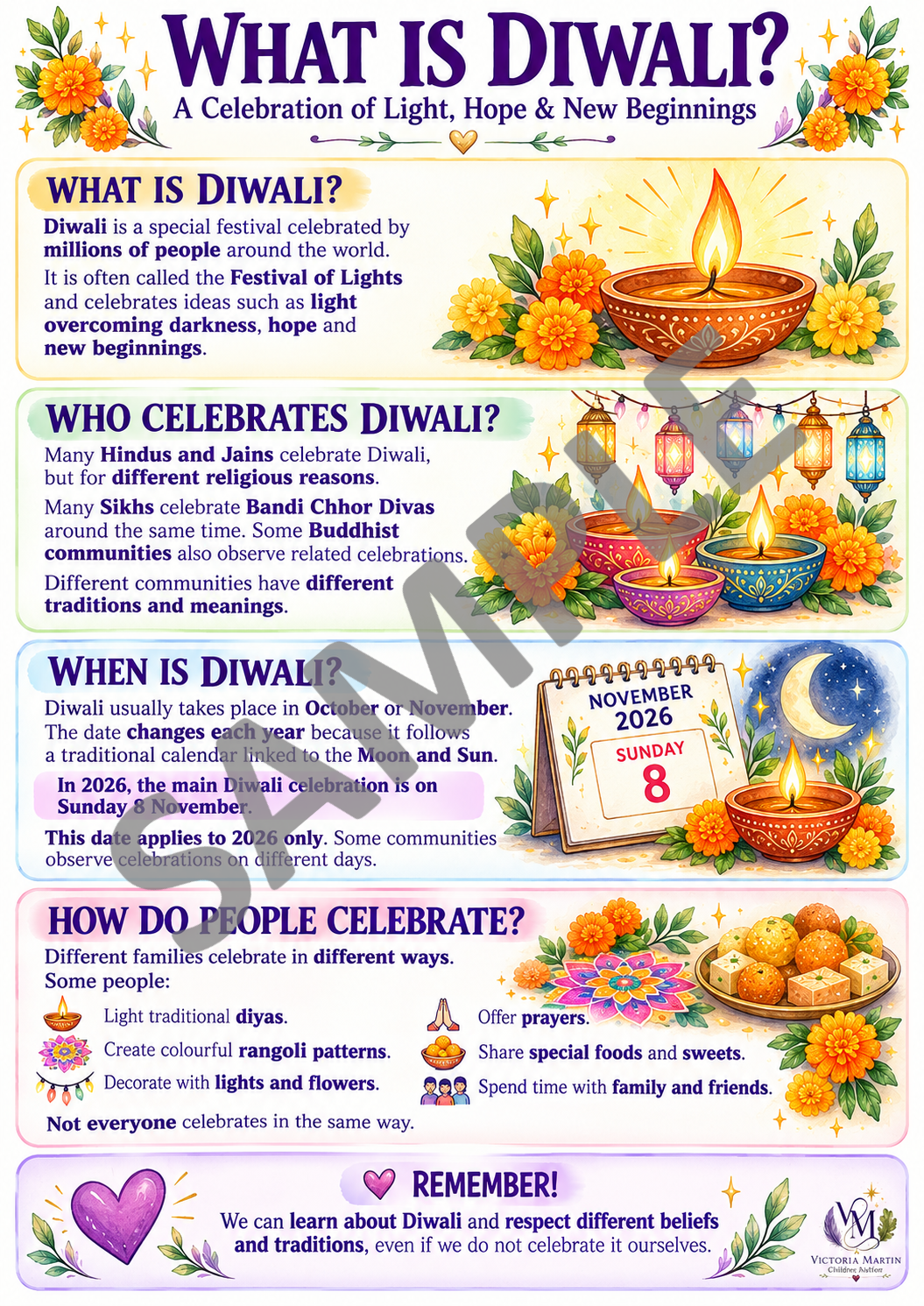
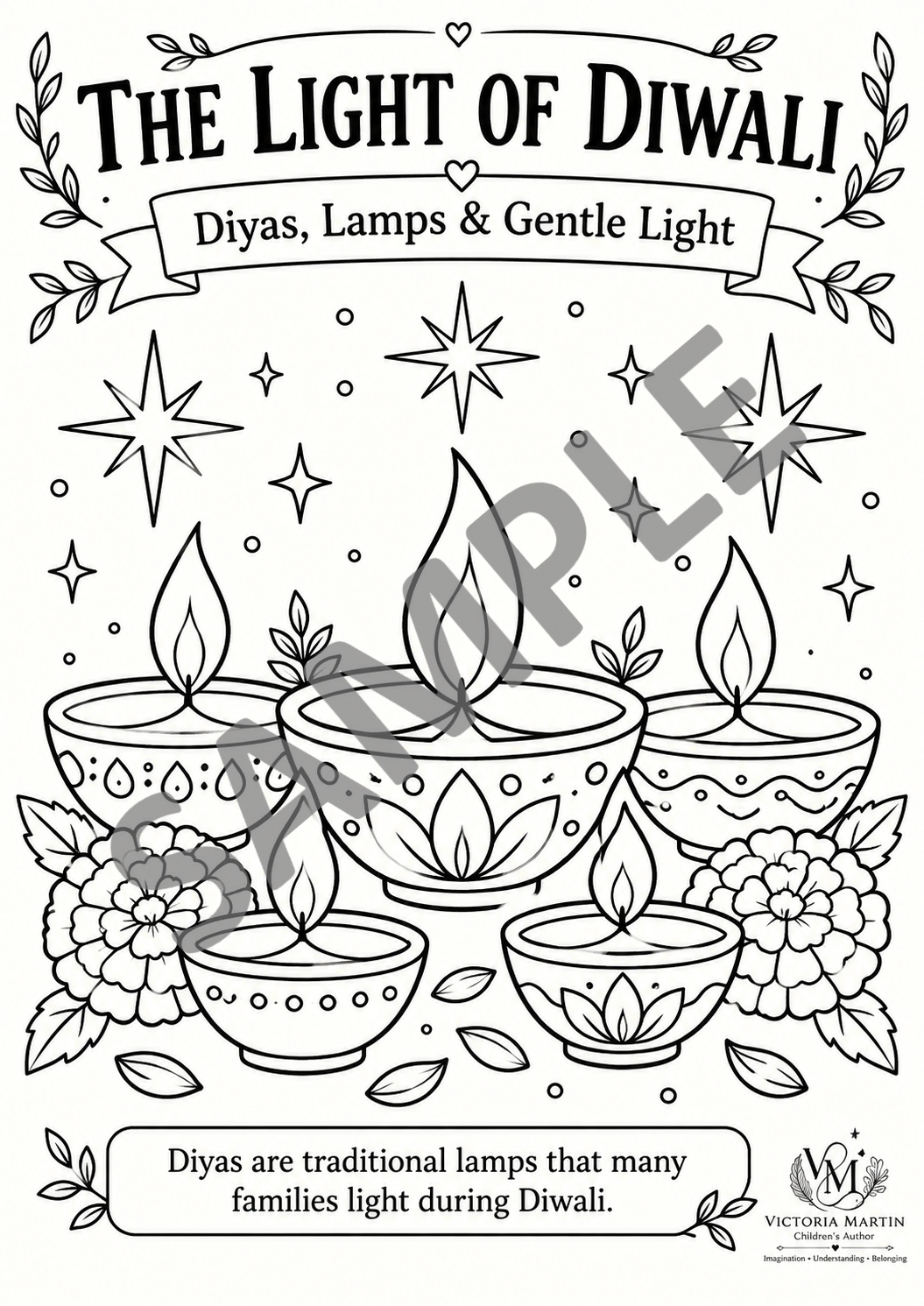
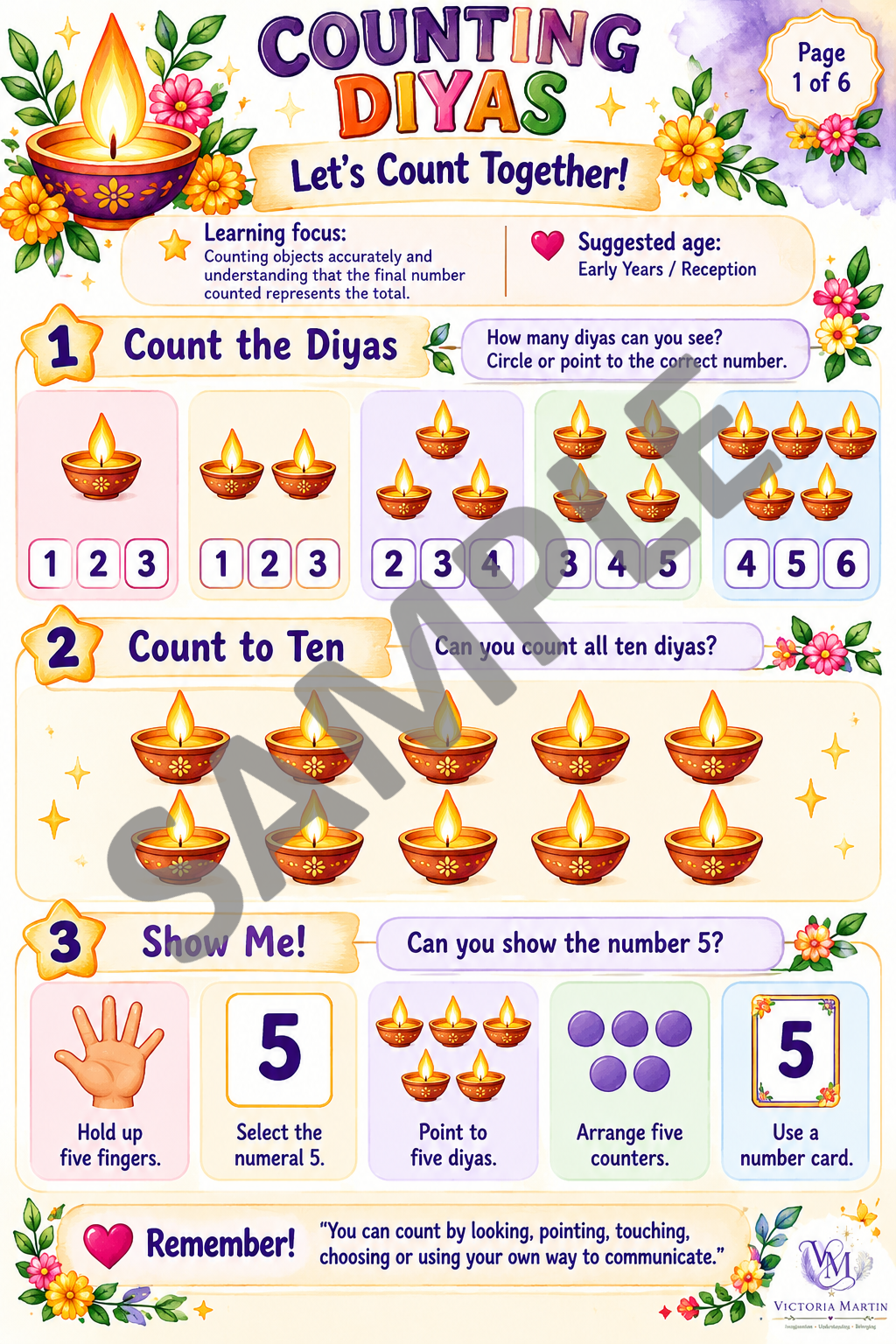
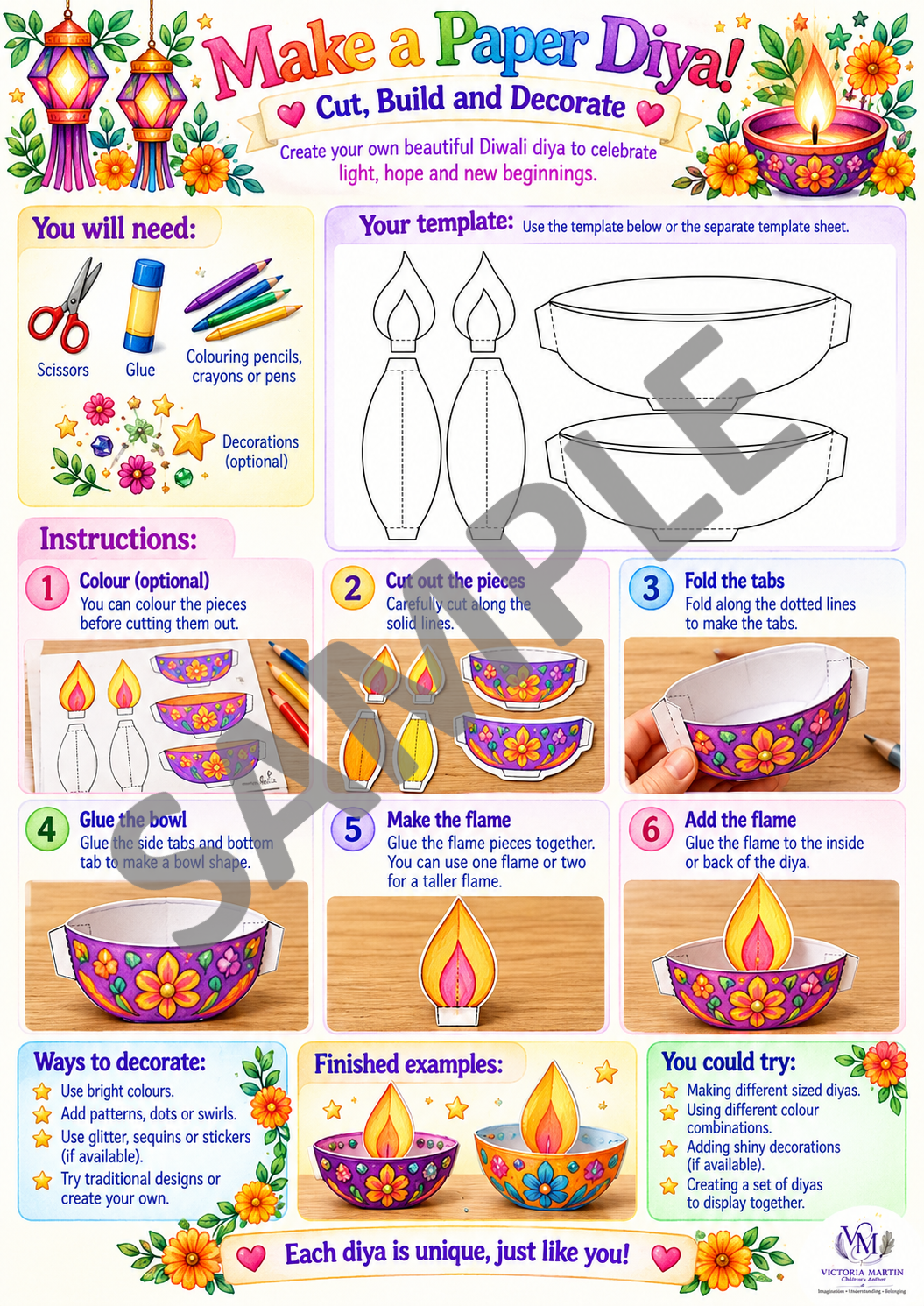
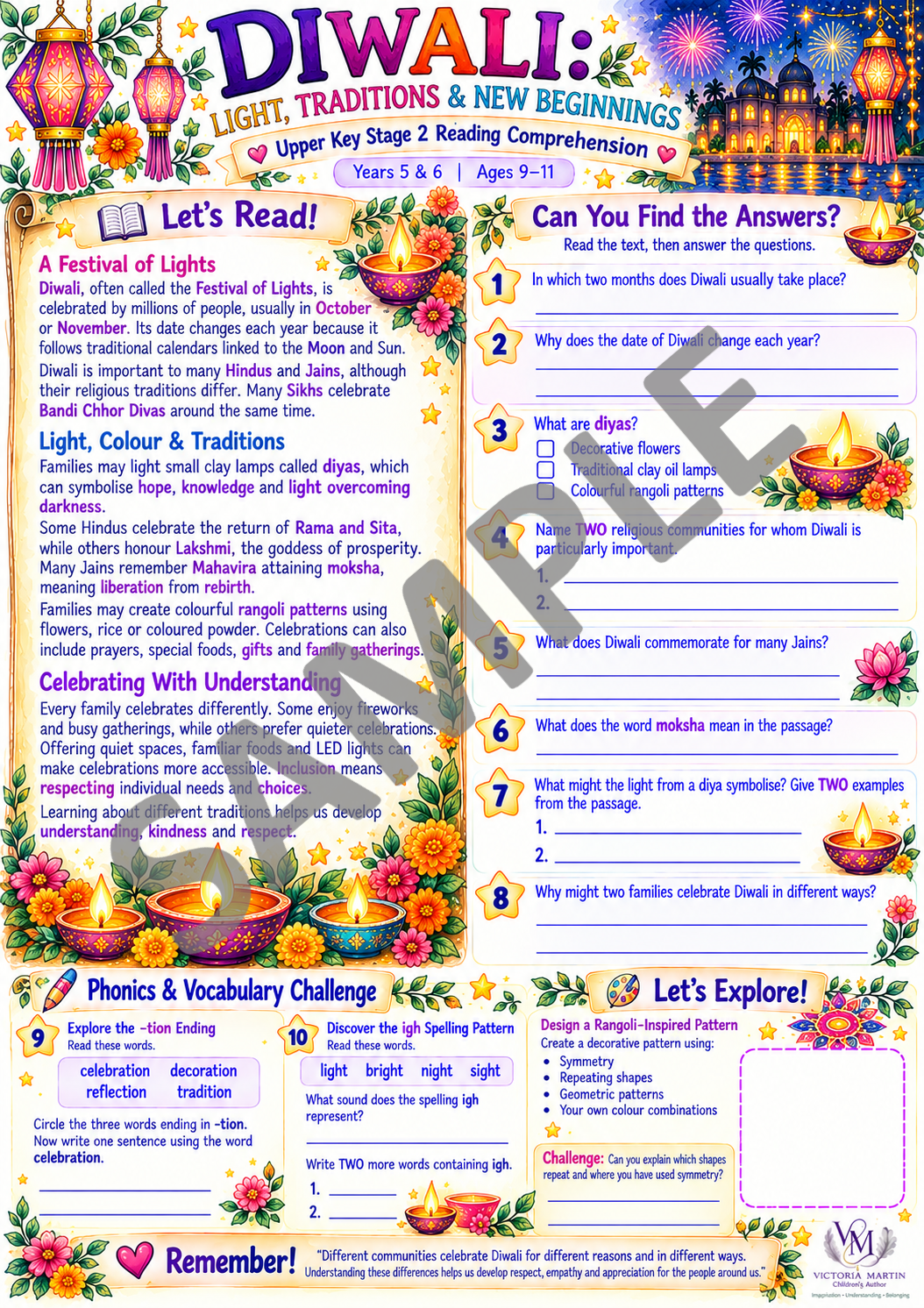
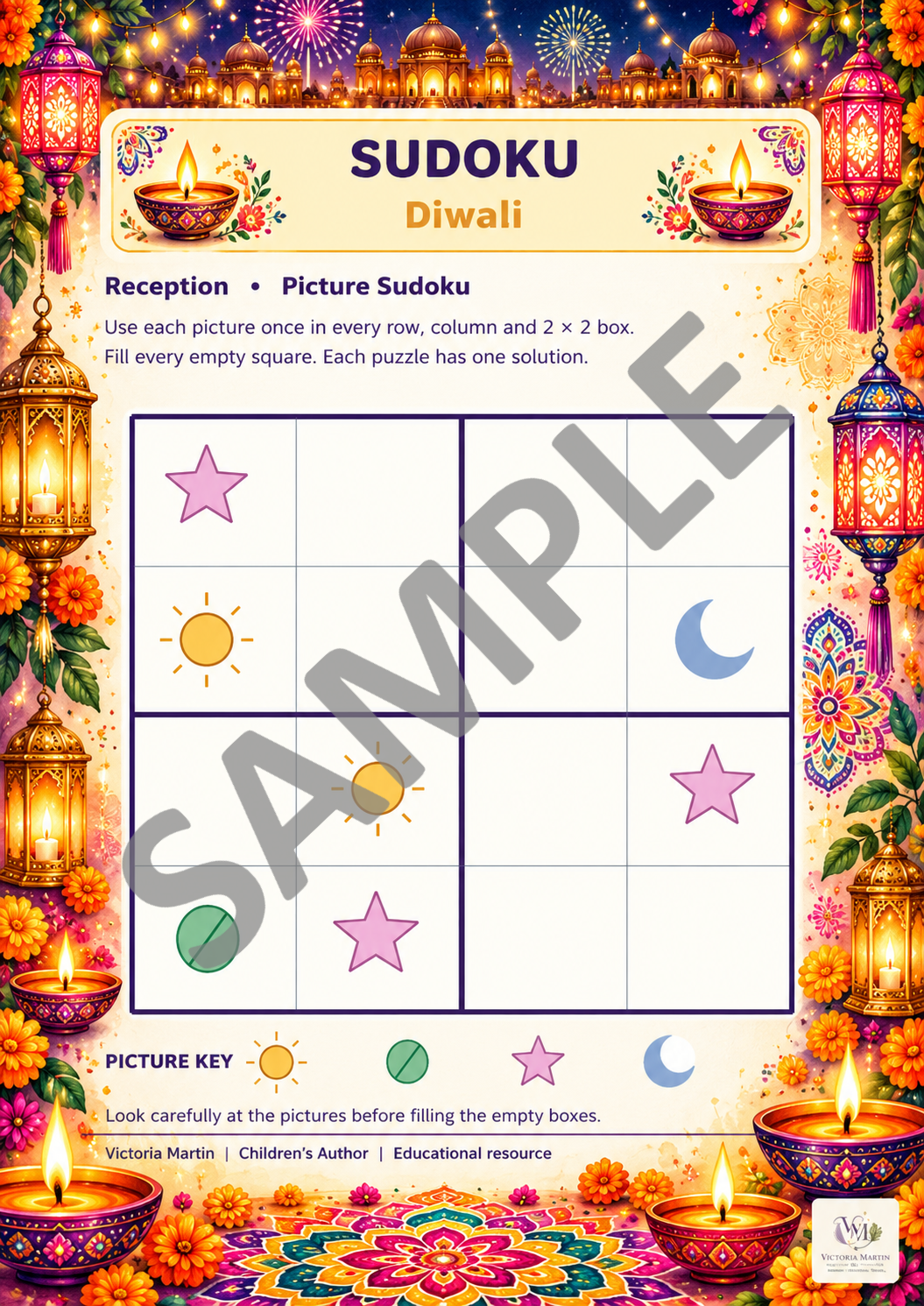
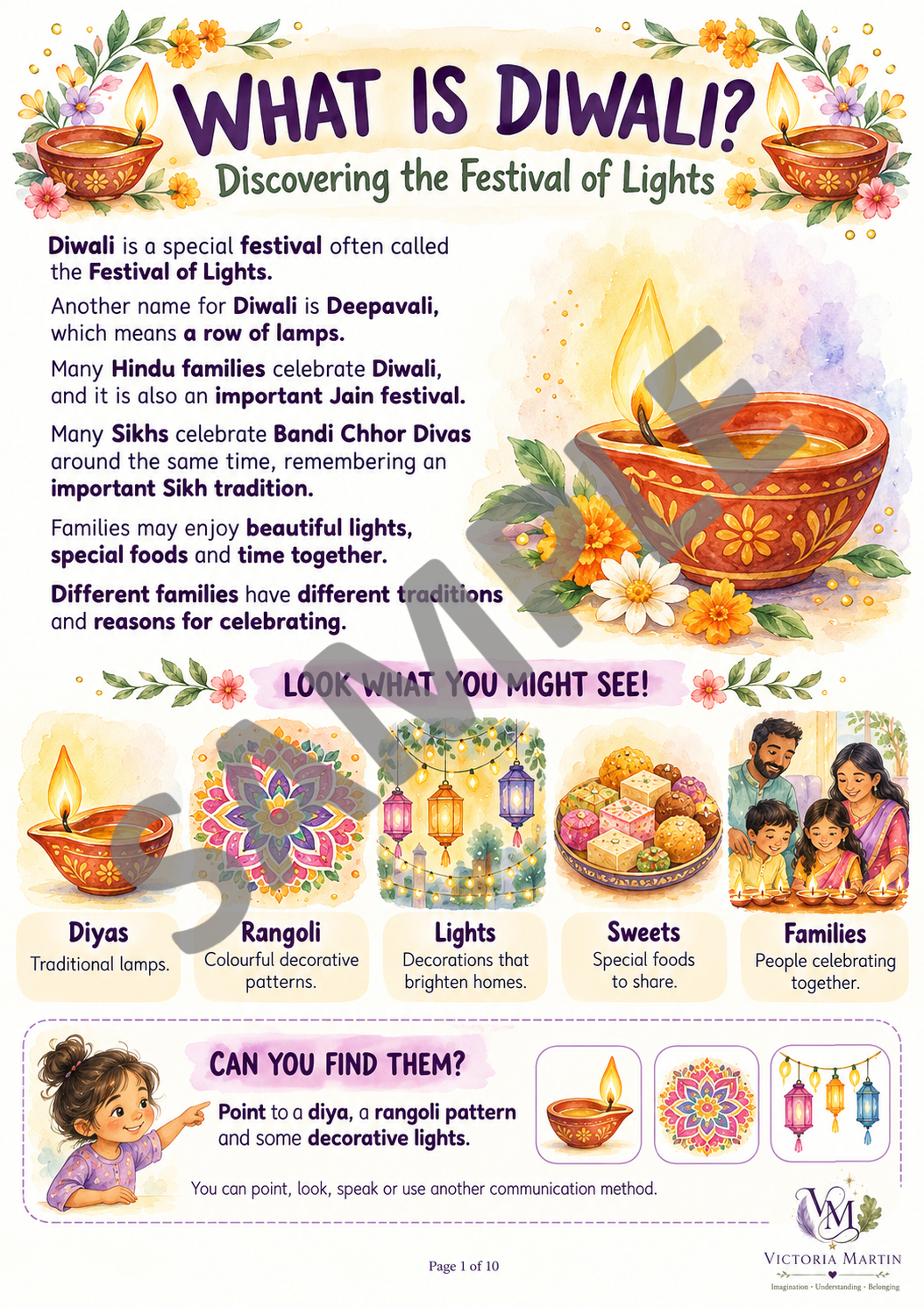
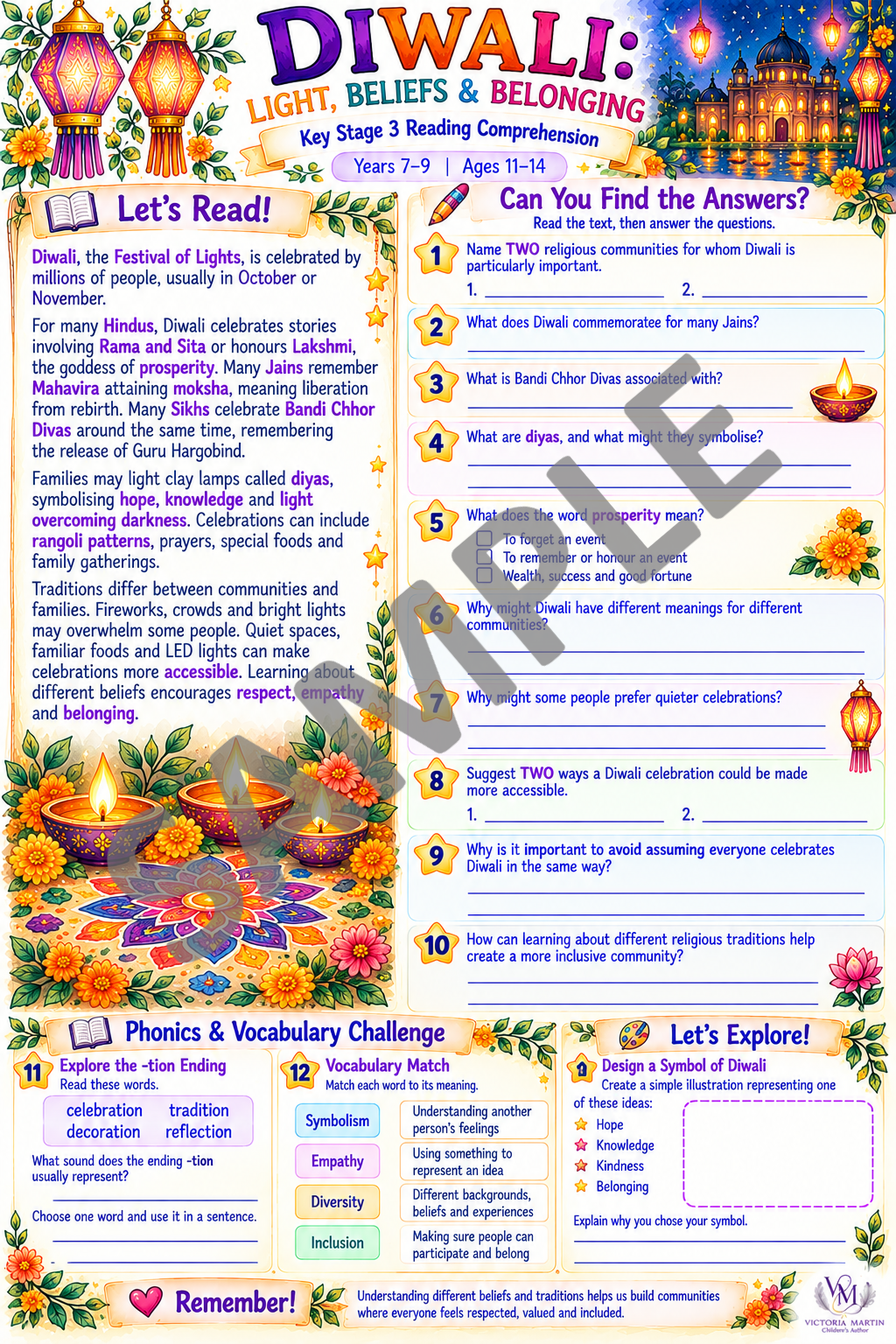
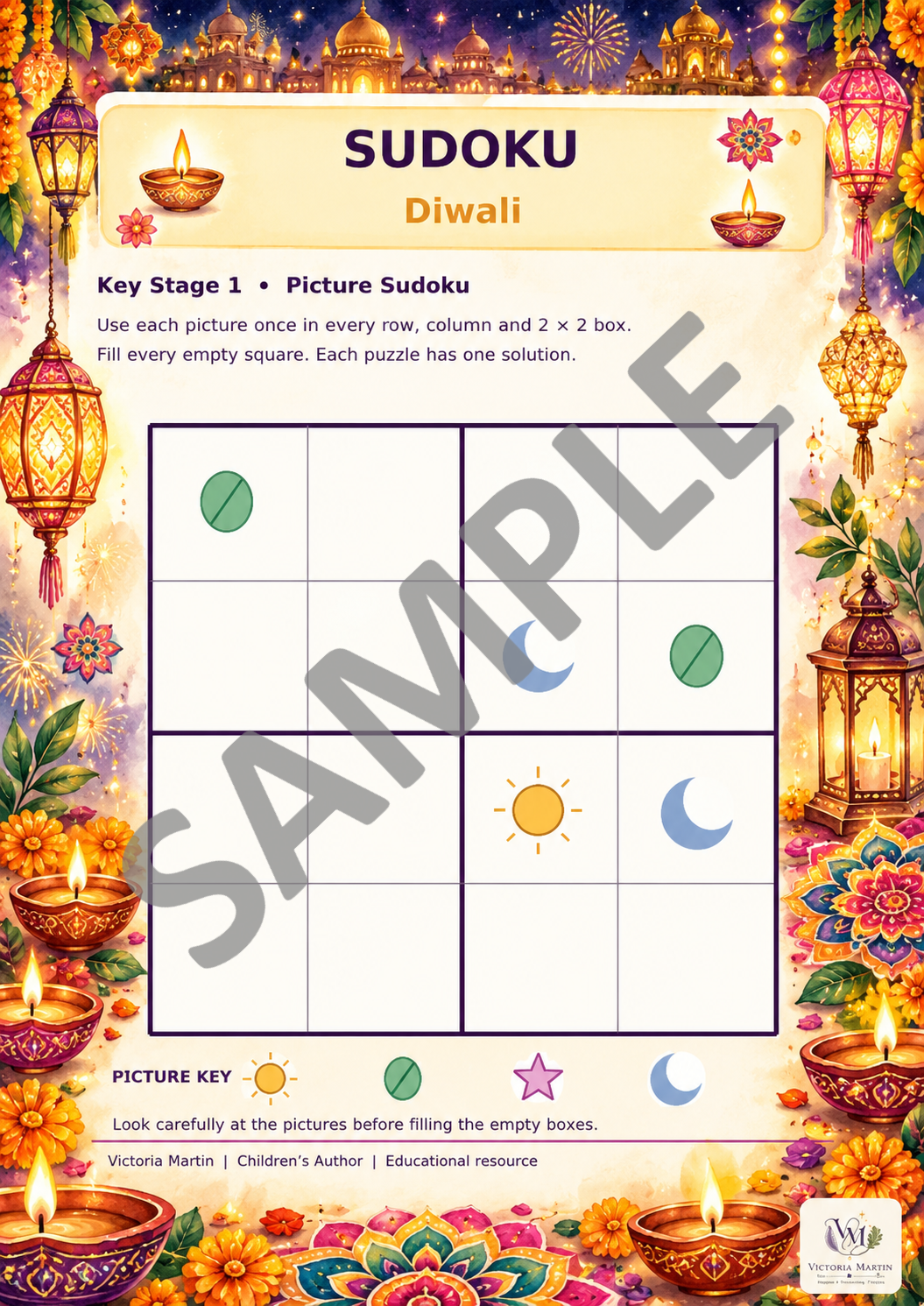
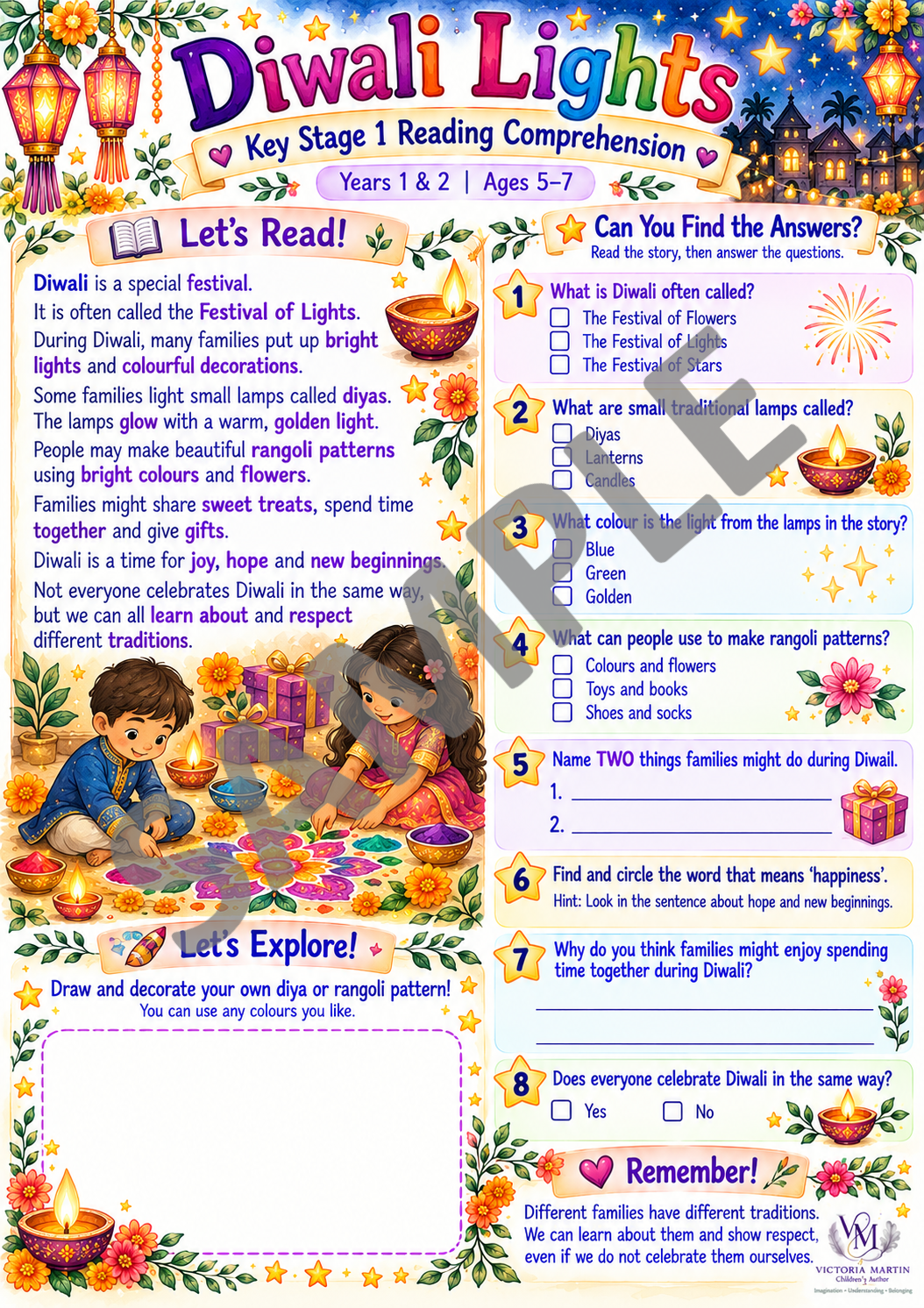
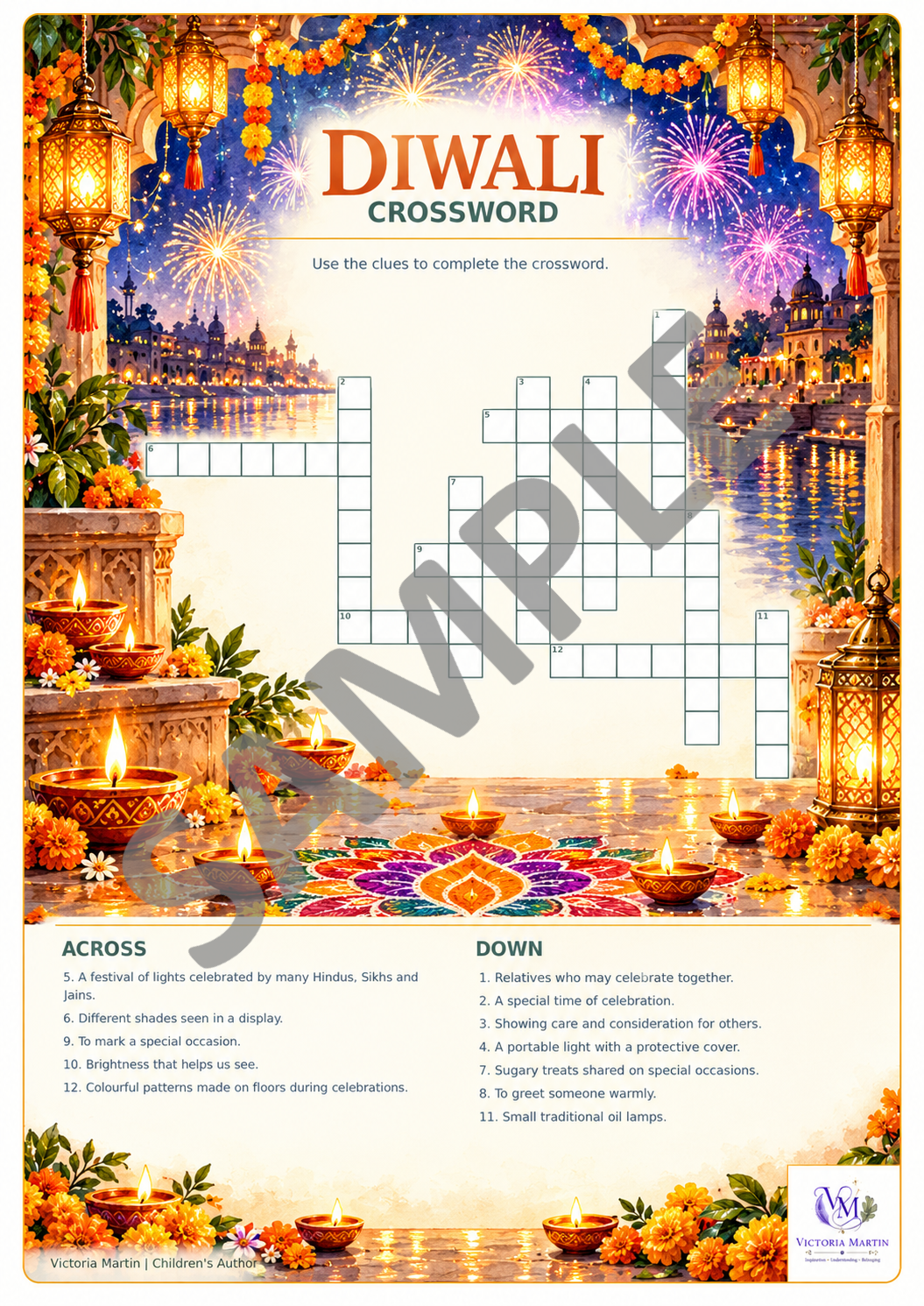
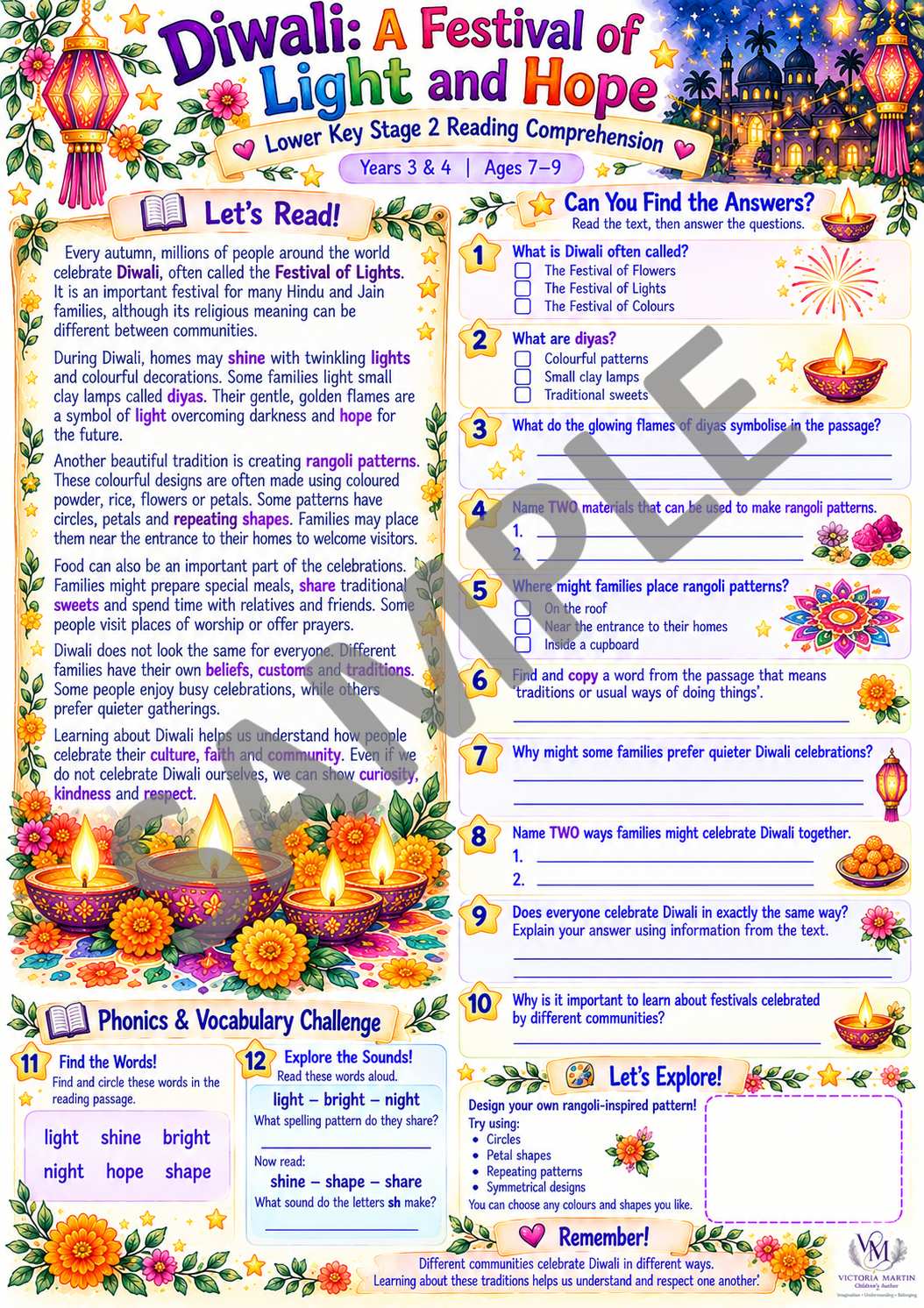
In depth resource looking into what Diwali is, aimed at year 1 upwards, suitable for everyone.
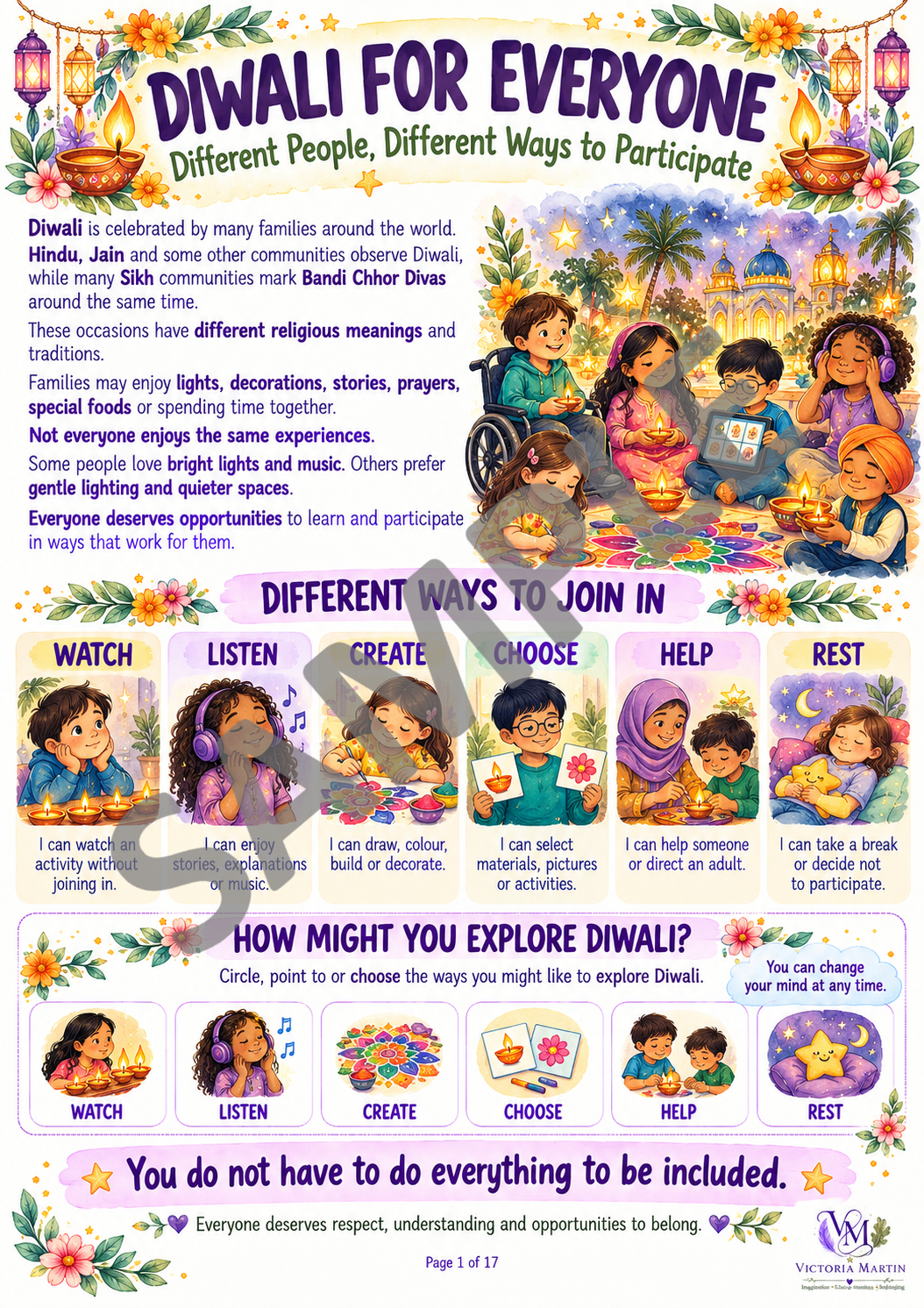
Bilingual English/Hindi Resources
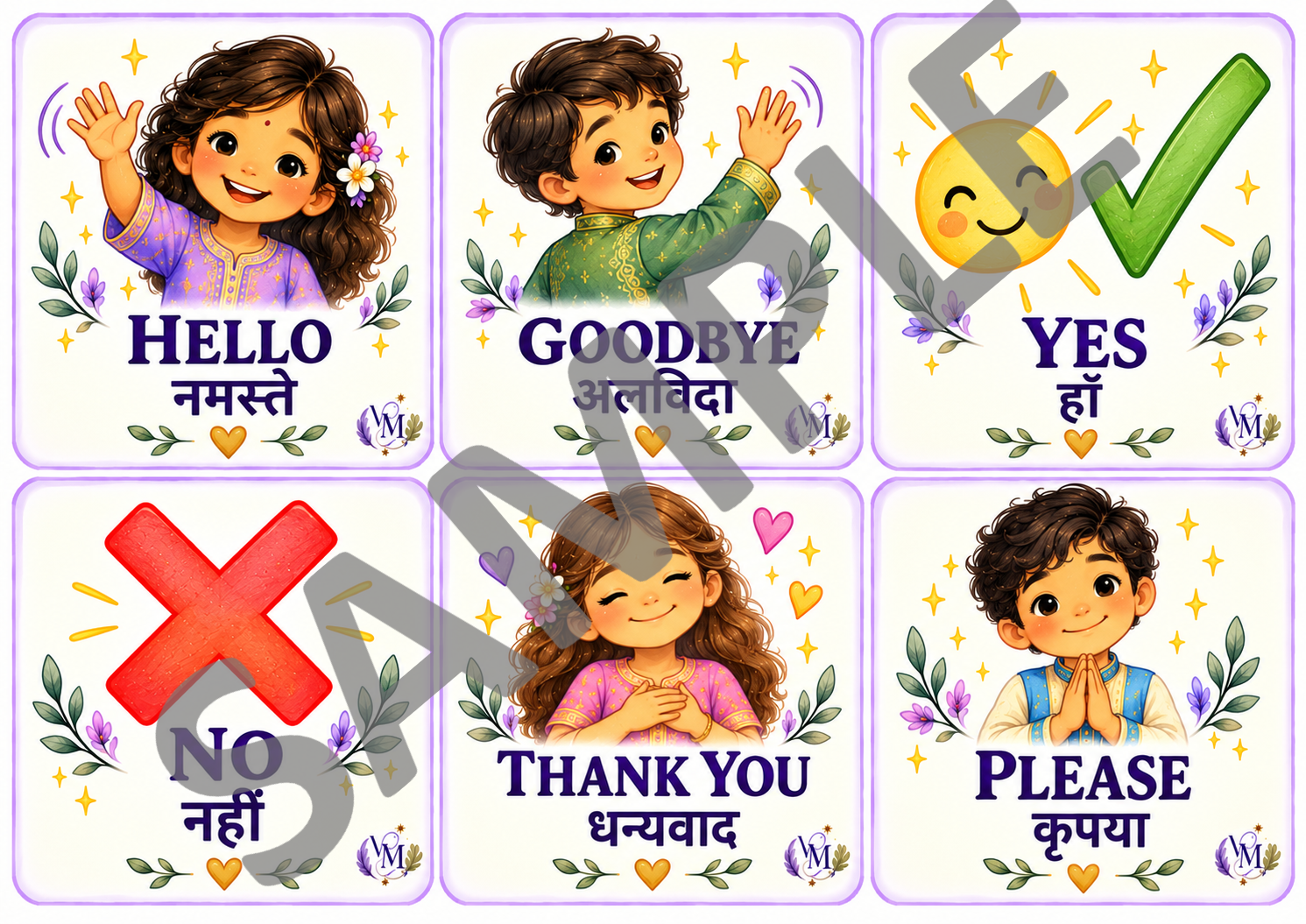
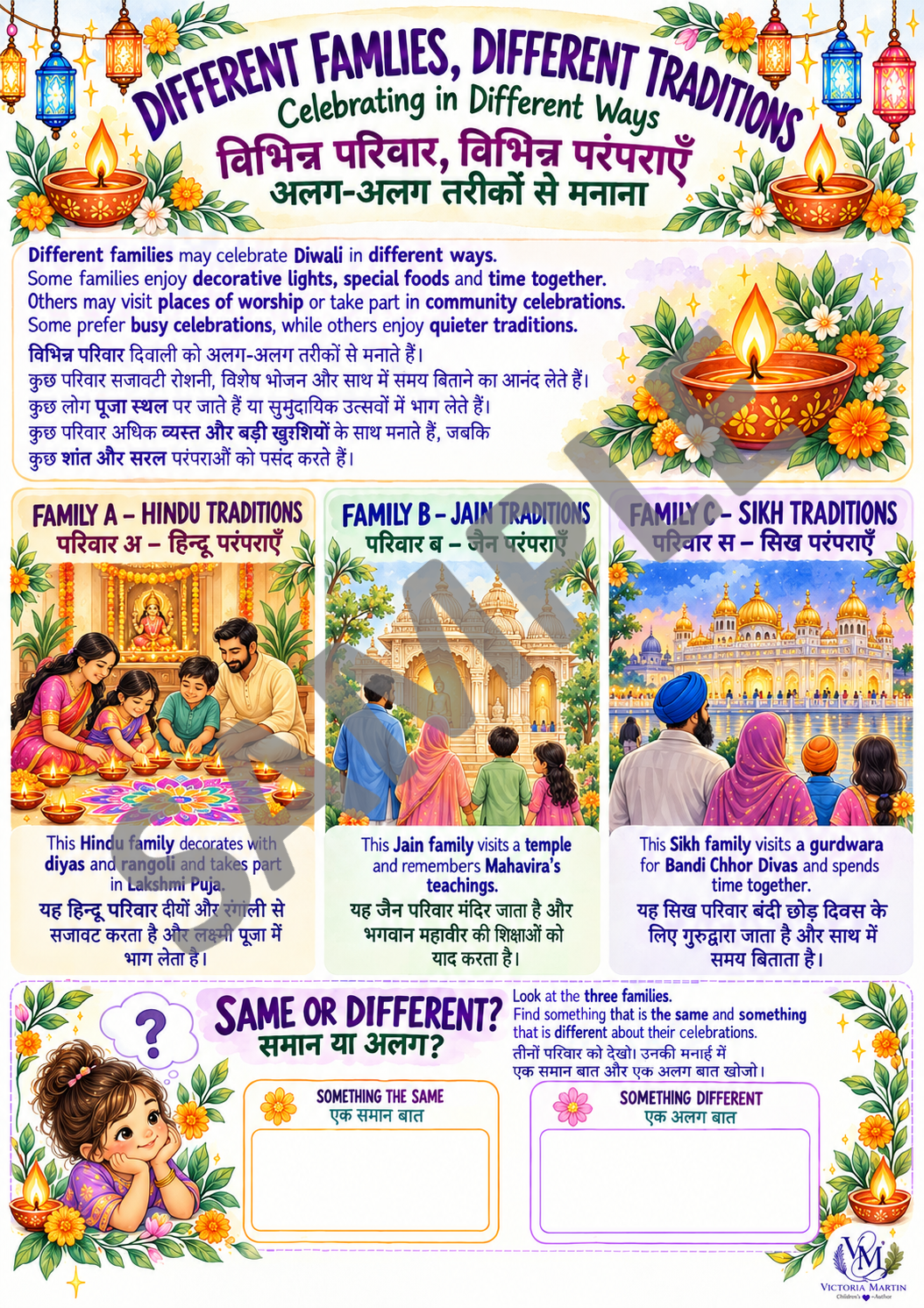
English/Hindi resource for parents/carers/teachers
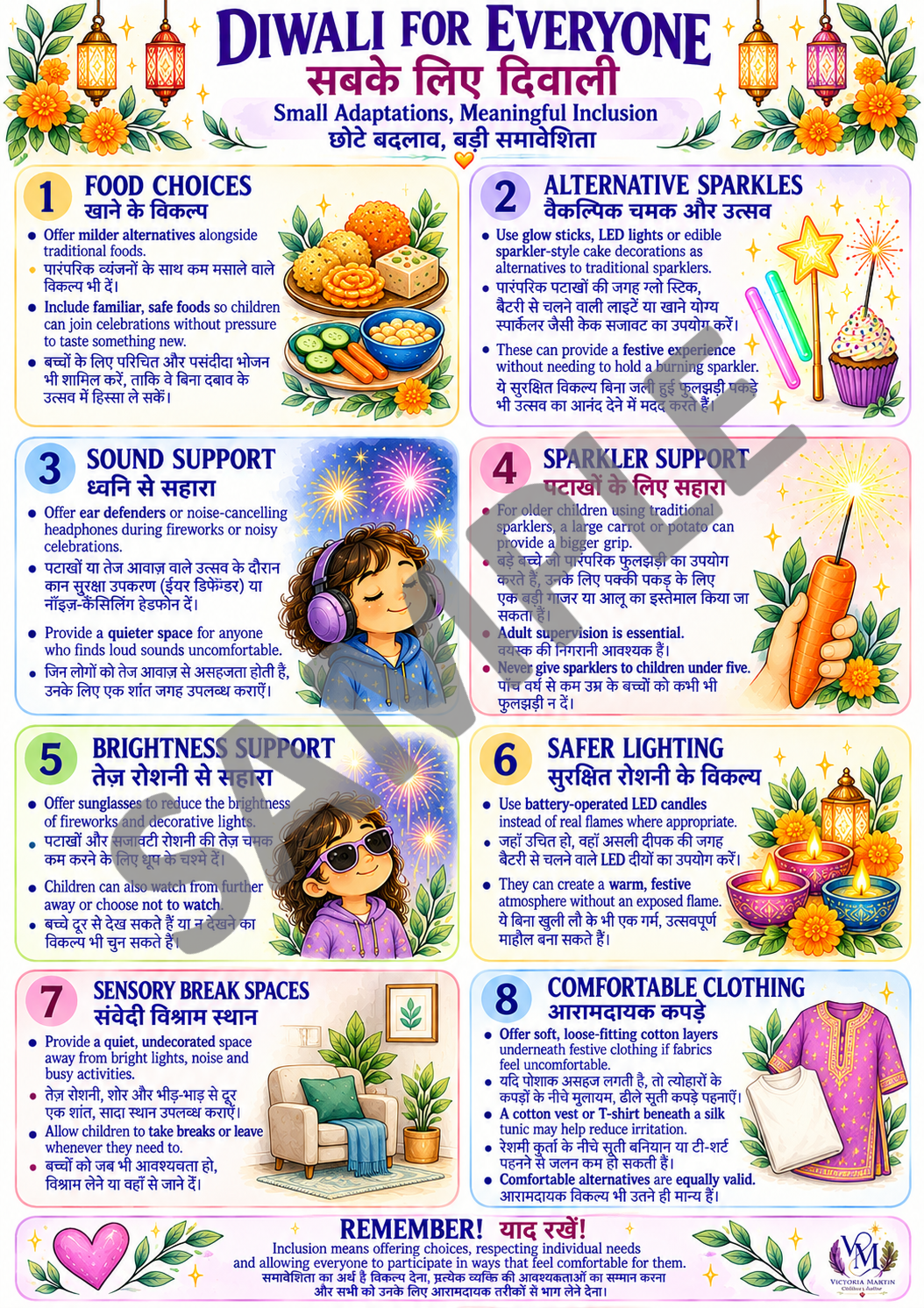
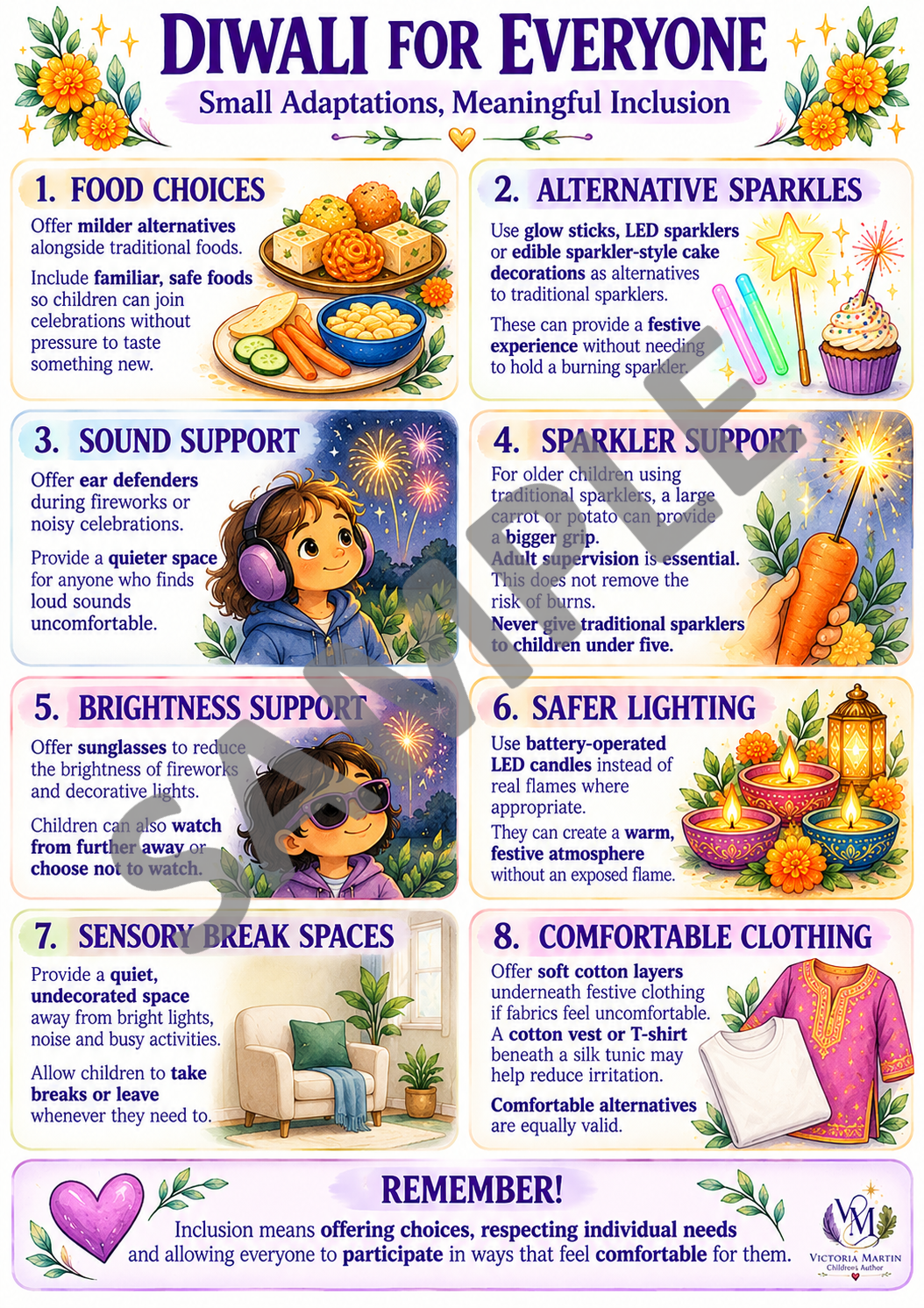
Bilingual English/Hindi resource for parents/carers/teachers, supporting those who made need adaptions during celebrations.
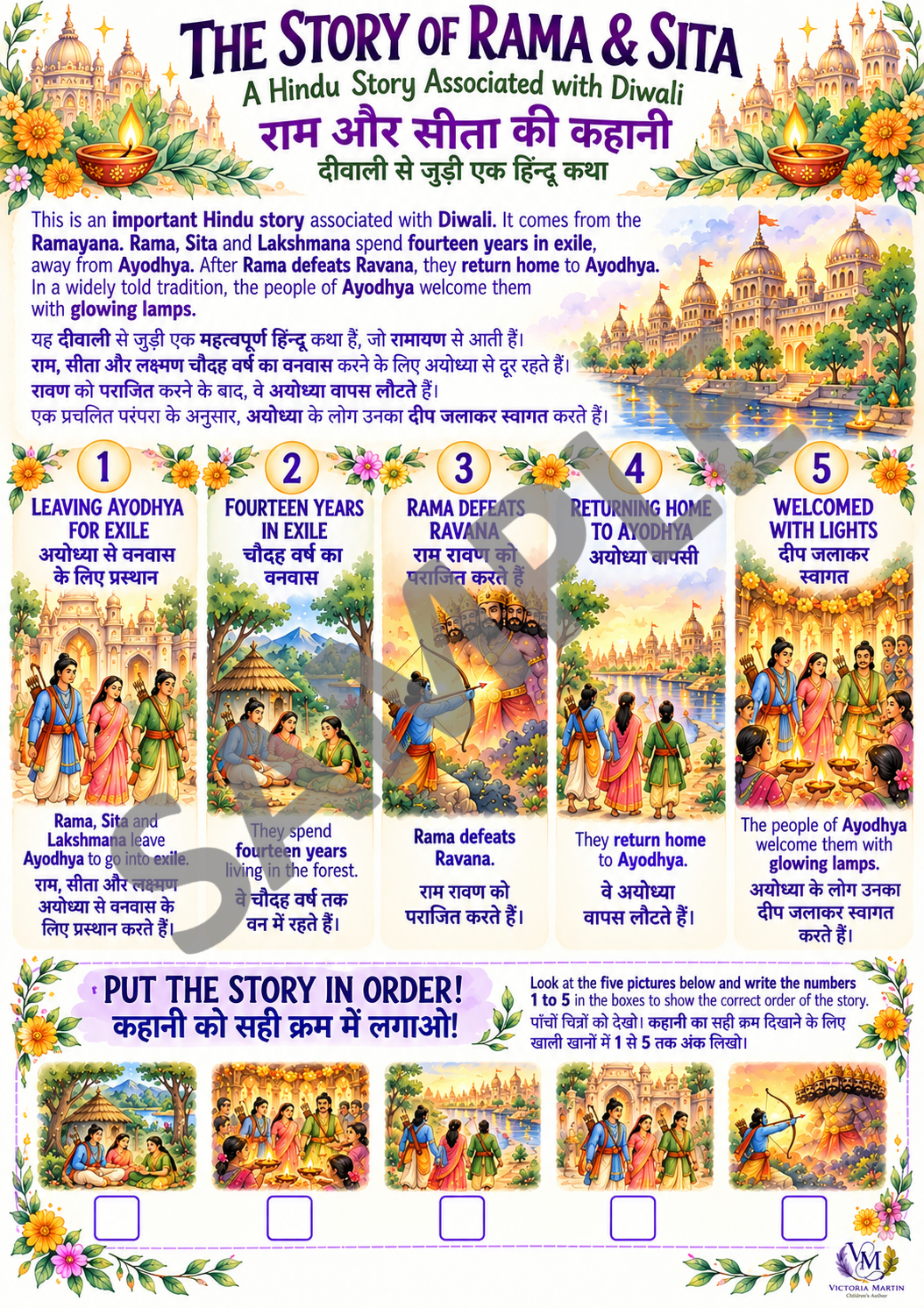
Further Information
About Diwali, the Festival of Lights | Diwali in London
BBC Bitesize – KS2 Religious Education Curriculum – What is Diwali? - BBC Bitesize
Diwali: What is the festival of lights? - BBC Newsround
BBC - Religions - Hinduism: Diwali
Diwali - Festivals - GCSE Religious Studies Revision - WJEC - BBC Bitesize
The history of Diwali: The five-day festival of light | Sky HISTORY TV Channel
Diwali celebrations around the world - BBC Newsround
Diwali | Indian Religious Holiday, Observances, & Facts | Britannica
The Story, Traditions and Significance of Diwali | Diwali.info
What is Diwali? - EYFS - Reception - BBC Bitesize
YouTube Videos
CBeebies | Diwali | My First Festivals
What is Diwali? Festival of Lights Explained | Newsround | News For Kids
The festival of Diwali | Religious Studies - My Life, My Religion: Hinduism
Story of Ramayana | Why is Diwali called the Festival of Light? | Diwali Mythology | The Dr. Binocs
दिवाली क्यों मनाते है? | Why Is Diwali Celebrated | Mythological Diwali Story In Hindi | Dr. Binocs
Blippi Learns About Diwali! | Blippi Wonders Educational Videos for Kids
Diwali | Music Video | Mira, Royal Detective | Disney Junior
Food