
British Foxes
As evening approaches and daylight begins to fade, a familiar shape may appear at the edge of a woodland, cross a field or quietly wander through a garden. The red fox is one of the most recognisable wild mammals in Britain, living successfully in both countryside and urban environments.
The fox found naturally in Britain is the red fox (Vulpes vulpes), a species with an enormous natural range across much of the Northern Hemisphere. Despite sometimes being described as an urban animal, foxes have lived in Britain long before modern towns and cities developed.
Foxes are adaptable, intelligent animals capable of living in many different habitats, from woodland and farmland to parks, gardens and city centres.
What Is a Fox?
The red fox belongs to the Canidae family, which also includes wolves, domestic dogs and other fox species.
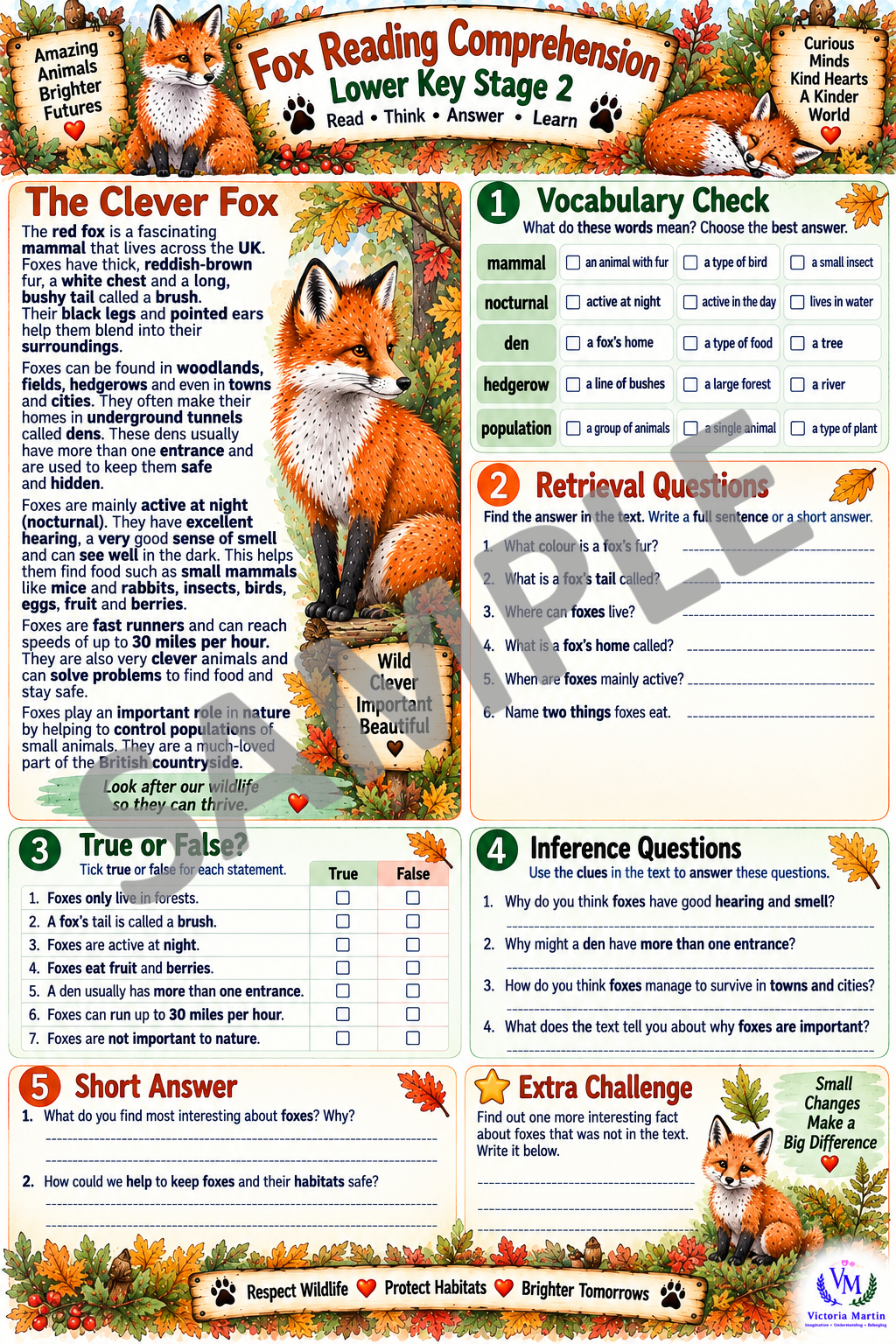
Foxes have slender bodies and pointed muzzles, with relatively large ears and a long, thickly furred tail. An adult fox's tail is often called a brush, and it can help with balance and warmth when the fox curls up to rest.
Although the familiar red-orange coat gives the species its name, individual foxes can show considerable variation in colour, including red, brown, grey and darker markings.
Foxes have excellent hearing and sense of smell, which help them investigate their surroundings and locate potential food. Their eyes are also well suited to different light levels, helping them remain active around dusk, dawn and during the night.
Where Do British Foxes Live?
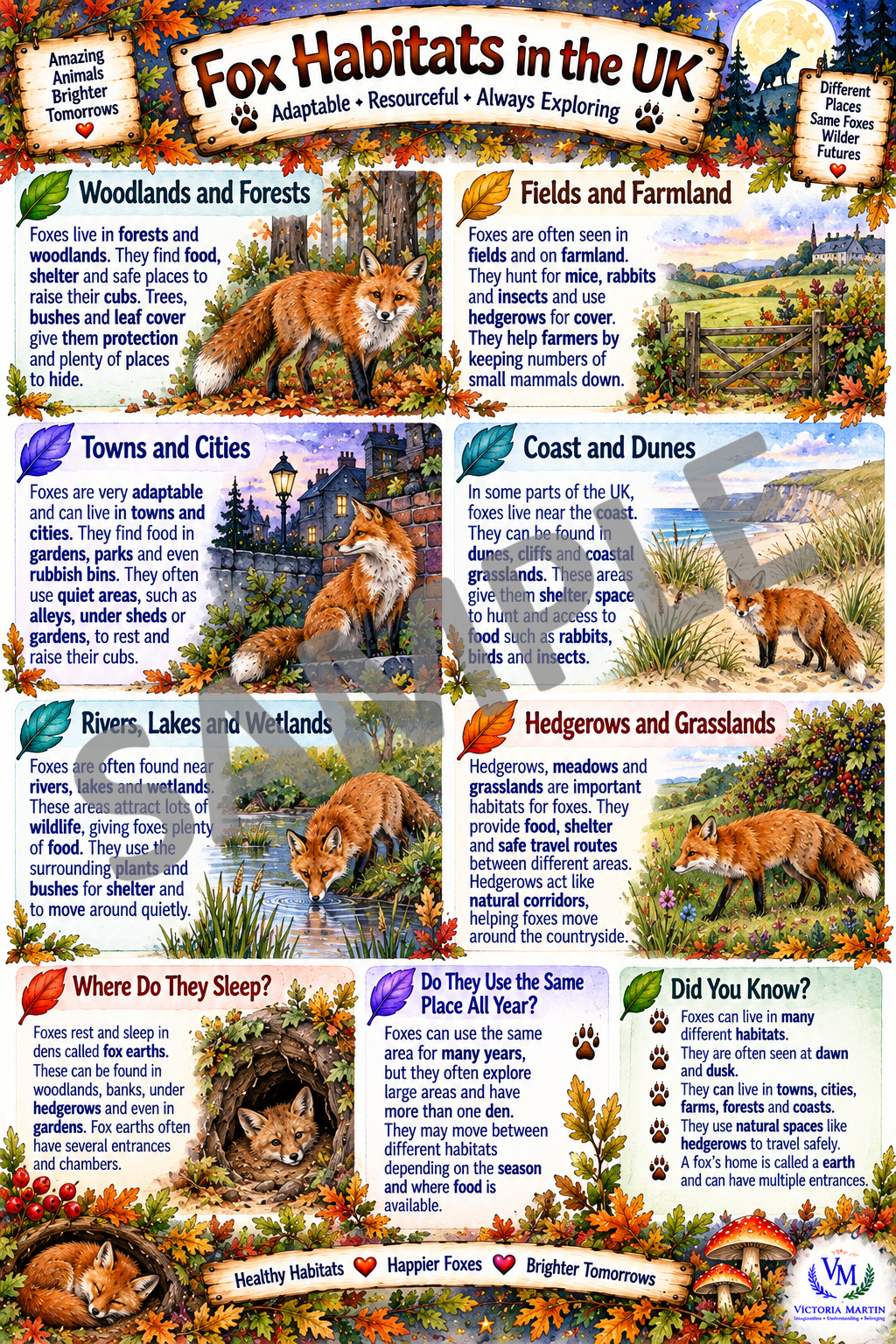
Red foxes are extremely adaptable animals and can survive in a wide variety of British habitats.
They can be found in:
woodlands and hedgerows
farmland and grassland
heathland and coastal areas
parks and cemeteries
gardens and allotments
towns and cities
Foxes need places where they can rest and find food, as well as raise their young, but these places do not necessarily need to be completely wild.
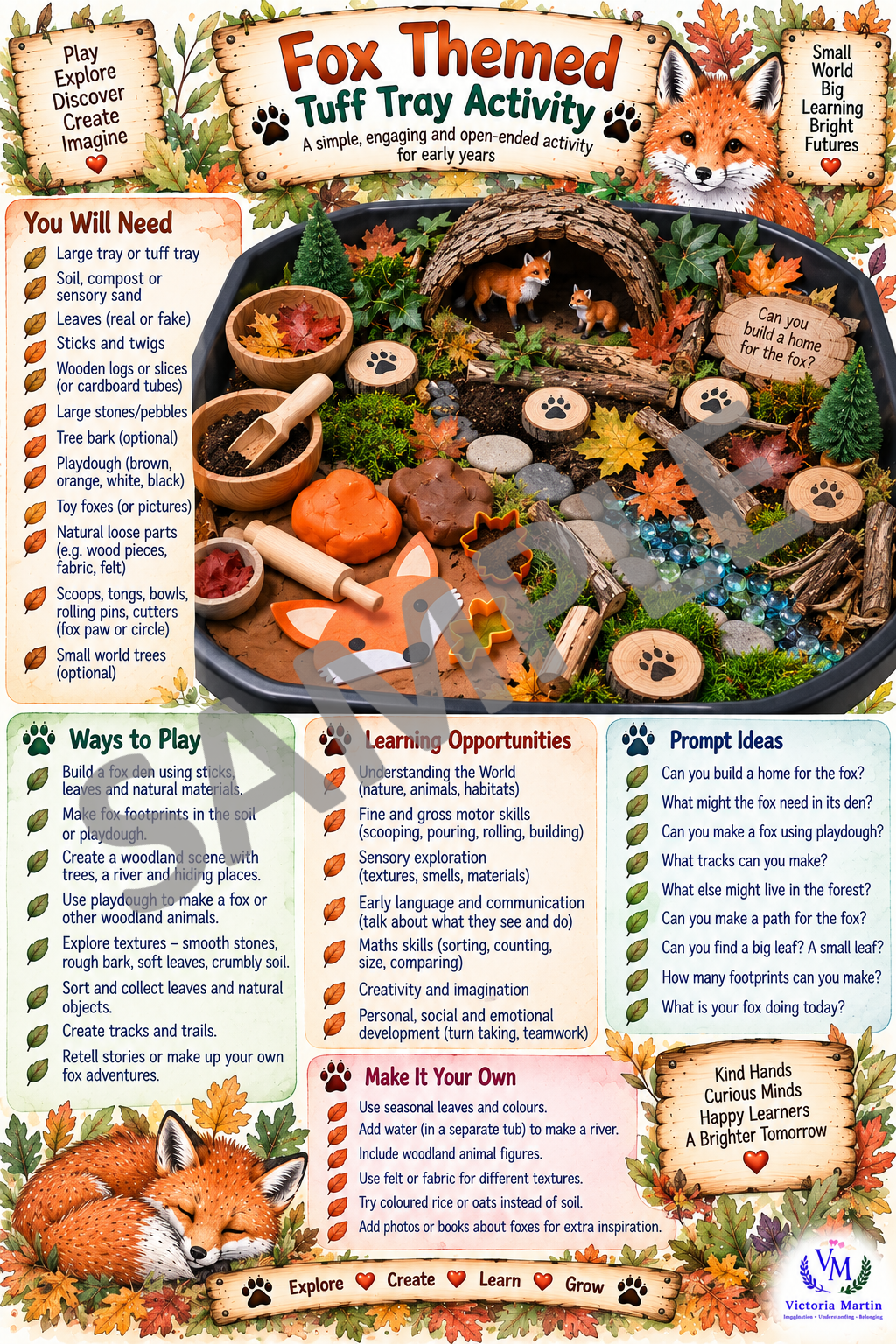
An underground fox shelter is usually called an earth. Foxes may dig their own earths or make use of existing holes and sheltered spaces, including enlarged rabbit burrows and spaces beneath sheds or other structures.
Foxes do not necessarily spend every day underground. They can also rest in dense vegetation and other sheltered places, particularly when they feel safe and undisturbed.
Urban Foxes
Foxes are now a familiar sight in many British towns and cities, but urban foxes are not a separate species from their countryside relatives. They are the same red fox species, simply living in a different environment.
Gardens, railway embankments, parks, cemeteries and other green spaces can provide shelter and travelling routes, while urban environments can also offer different sources of food.
Foxes are primarily crepuscular and nocturnal, meaning they are particularly active around dusk, dawn and during the night.
Seeing a fox during daylight does not automatically mean that it is ill. Healthy foxes may sometimes be active during the day, particularly when feeding young or searching for food.
What Do British Foxes Eat?
Foxes are omnivores and opportunistic feeders, meaning they can eat both animal and plant material and make use of many different available foods.
Their natural diet can include small mammals, birds, insects and earthworms, as well as fruit and other plant material. They may also eat carrion, helping them make use of animals that are already dead.
The exact diet of a fox varies according to habitat and season, as well as food availability.
Urban foxes may also find food associated with humans, including discarded food and accessible household waste.
Foxes do not rely entirely on hunting one particular type of animal, and their ability to adapt their diet is one reason they can survive in such a wide range of environments.
How Do Foxes Hunt?
Foxes use their excellent hearing and sense of smell when searching for prey.
Their sensitive ears can help them detect small animals moving through vegetation, even when the animal itself is difficult to see.
When hunting small prey, a fox may remain very still before springing or pouncing forward.
Foxes sometimes store food that they do not immediately eat. This behaviour is known as caching, and the food may be hidden or buried for later.
Their ability to hunt, scavenge and store food allows foxes to respond to changing conditions and opportunities.
Fox Families
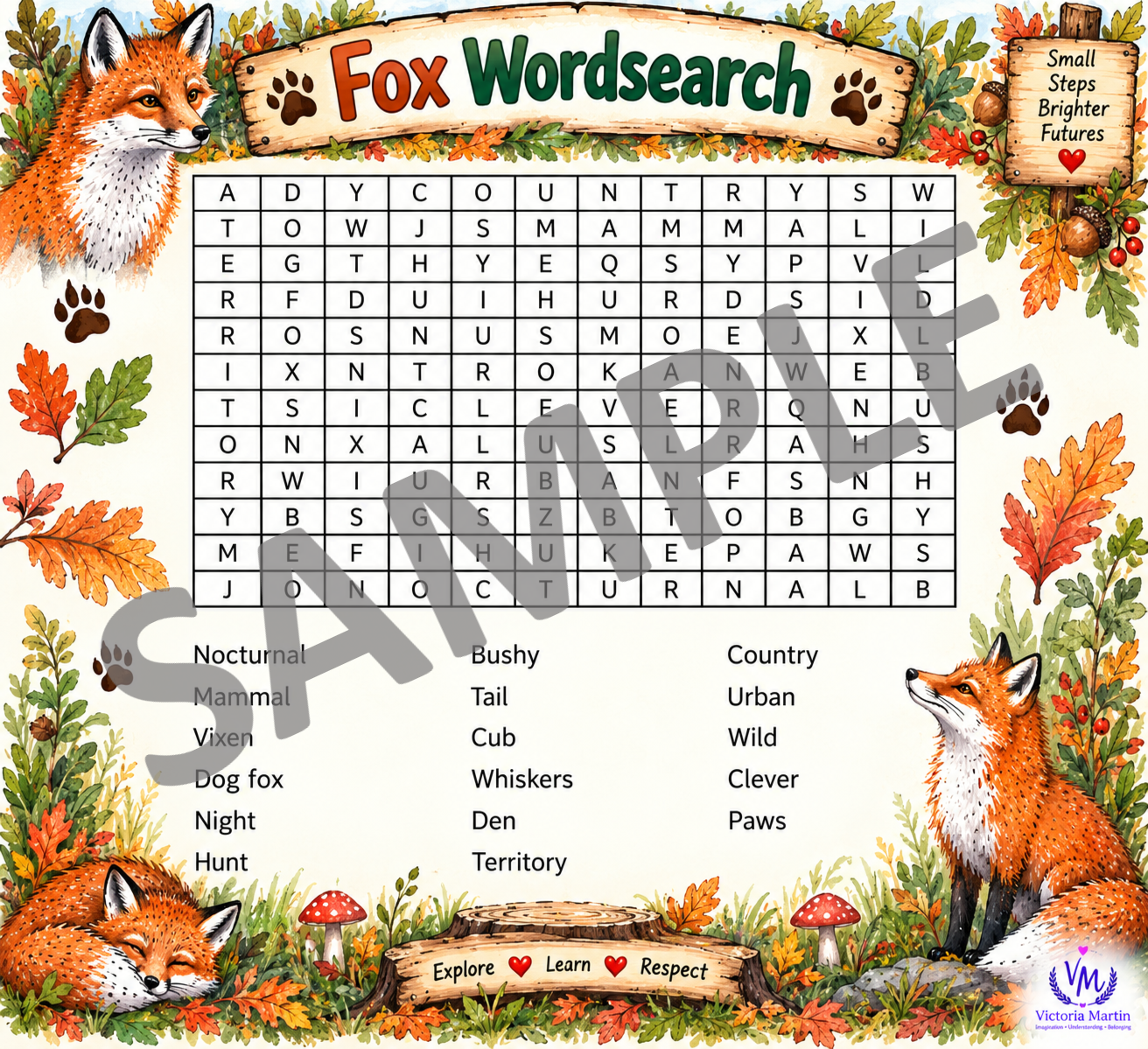
Adult male foxes are commonly called dogs, while adult females are called vixens. Young foxes are usually known as cubs.
Foxes generally mate during the winter months, with the breeding season occurring mainly between December and February.
After a pregnancy lasting approximately seven to eight weeks, cubs are usually born underground during spring. A litter commonly contains several cubs, although litter size can vary considerably.
Newborn cubs are small and dependent and initially unable to see, relying completely upon their mother.
As they grow, the cubs begin exploring outside the earth and gradually learn the skills they need to find food and survive independently.
Foxes Through the Seasons
British fox behaviour changes throughout the year as food availability and breeding and family life change.
Spring – Fox cubs are born and spend their earliest weeks sheltered inside the earth. As they become older, they begin exploring the world outside.
Summer – Growing cubs become increasingly active and independent, spending more time exploring and learning to find food.
Autumn – Young foxes become increasingly independent, and many begin dispersing from their family area to establish territories or find places of their own.
Winter – The fox breeding season takes place, and foxes may become particularly vocal while searching for and communicating with potential mates.
Foxes in Autumn
Autumn is an important period of change for young foxes.
Cubs born earlier in the year are now approaching adult size and greater independence. Some remain within or close to their family territory, while others begin travelling farther in search of new areas in which to live and establish themselves.
This movement can make foxes more noticeable during autumn, particularly around roads, gardens and unfamiliar environments.
As temperatures fall, foxes develop a thicker winter coat, helping provide insulation during the colder months.
Unlike some British mammals, foxes do not hibernate during winter. They remain active throughout the year and continue searching for food in cold weather.
How Do Foxes Communicate?
Foxes communicate using a combination of sounds and scent, as well as body language.
They can produce a surprisingly large variety of calls and vocalisations, including barks, screams and quieter contact calls.
One of the most noticeable sounds is the vixen's breeding-season call, which can sometimes sound remarkably like a person screaming.
Foxes also communicate using scent marking, leaving chemical information that other foxes can detect. Their posture, ears and tail can also provide visual signals to other foxes.
These different methods help foxes communicate about territory and identity, as well as reproduction.
Why Are Foxes Important?
Foxes are part of Britain's natural food webs and ecosystems.
As predators, they consume animals including rodents and other small mammals, while their omnivorous diet means they also eat insects, fruit and carrion.
Foxes are themselves connected to many other organisms within an ecosystem, helping demonstrate how predators, prey, plants and habitats interact.
Their ability to live alongside people also makes the red fox an interesting example of how wildlife can adapt to human-altered environments.
Foxes and People
Foxes have lived alongside people in Britain for centuries, but they remain wild animals, rather than pets.
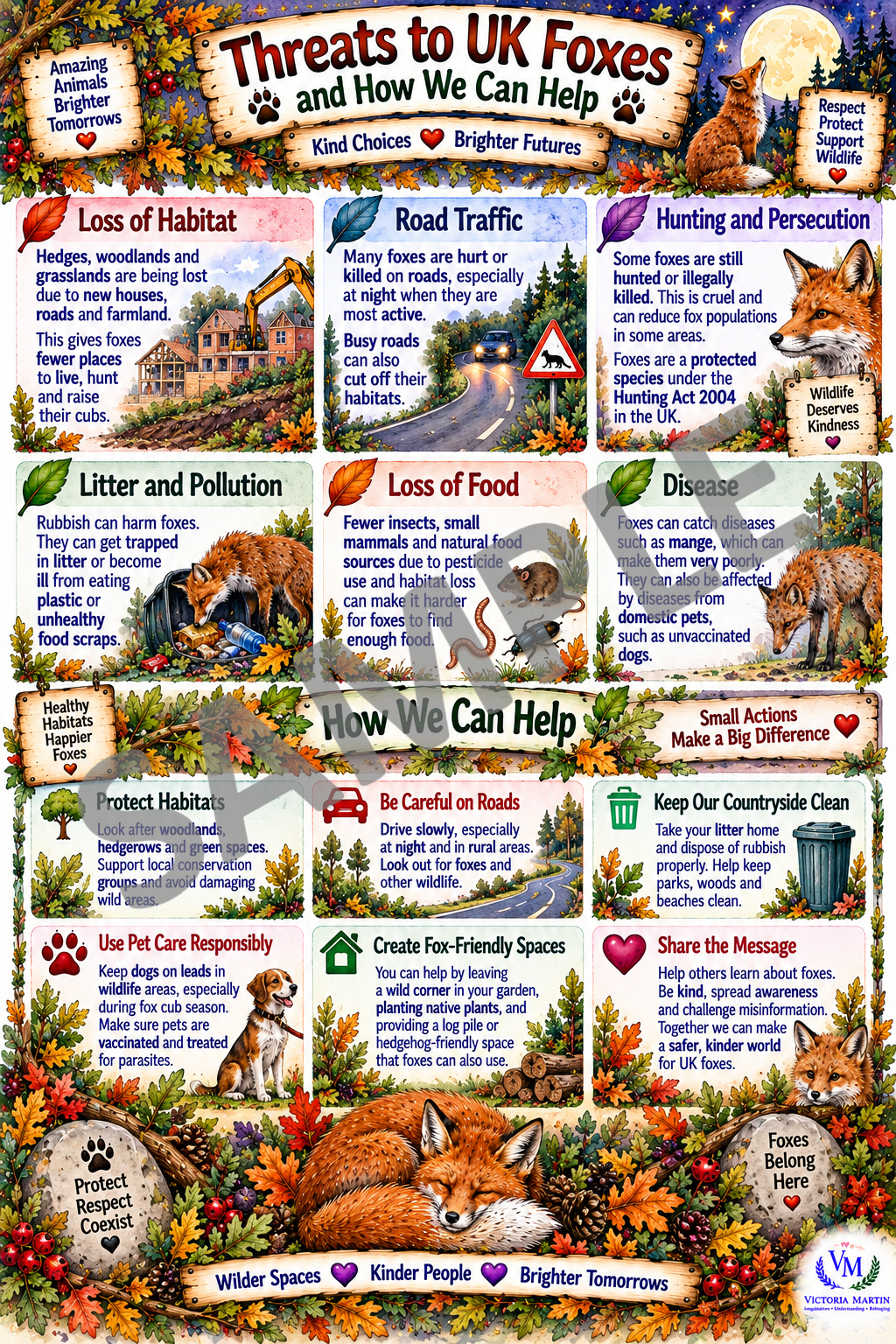
A fox visiting a garden does not necessarily need human intervention. Providing secure habitats and allowing wildlife to behave naturally can help people and foxes coexist.
If people choose to provide supplementary food for visiting foxes, it should be offered responsibly and in small amounts. Foxes should never be hand-fed or encouraged to become tame, and leaving excessive amounts of food can encourage them to become overly reliant on a particular food source.
Household rubbish and food waste should also be stored securely, particularly in areas regularly visited by foxes. This can reduce opportunities for foxes to scatter waste and limits access to unintended sources of human food.
If a fox appears seriously injured, trapped or unwell, advice can be sought from an appropriate wildlife rescue organisation.
Helping Foxes
Gardens and other green spaces can provide useful habitat and shelter for wildlife, including foxes.
Keeping some areas planted and relatively undisturbed can provide cover for a wide variety of animals. Hedges, shrubs and connected green spaces can also create routes through developed landscapes.
Garden ponds should ideally have a shallow edge or escape route, allowing wildlife that enters the water to climb safely back out.
Avoiding unnecessary use of harmful chemicals and pesticides can also help protect the wider ecosystems upon which foxes and their prey depend.
Most importantly, foxes should be given space and treated as wild animals, allowing people to observe them without trying to approach or handle them.
Fox Facts
🦊 Britain's wild fox is the red fox (Vulpes vulpes), a member of the Canidae family.
🌳 Red foxes can live in woodlands, farmland and countryside, as well as towns and cities.
🌙 Foxes are primarily crepuscular and nocturnal, meaning they are particularly active around dusk, dawn and during the night.
☀️ Seeing a fox during daylight does not automatically mean it is ill.
🐭 Foxes are omnivorous, opportunistic feeders that eat a wide variety of animal and plant foods.
👂 Foxes have excellent hearing and a highly developed sense of smell.
🏡 An underground fox shelter is commonly called an earth, although foxes also use other sheltered resting places.
🦊 A female fox is called a vixen, while a male is commonly called a dog fox.
🐾 Young foxes are known as cubs, and they are usually born during the spring.
🍂 During autumn, many young foxes become increasingly independent and may begin dispersing into new areas.
❄️ Foxes do not hibernate, remaining active throughout the winter.
🗣️ Foxes communicate through vocalisations and body language, as well as scent marking.
🏙️ Urban and countryside foxes are the same species, with red foxes able to adapt to many different environments.
Look Closely
If you are outside around dusk or early evening, look quietly along hedgerows, woodland edges and gardens.
Can you spot a fox moving quietly through the vegetation?
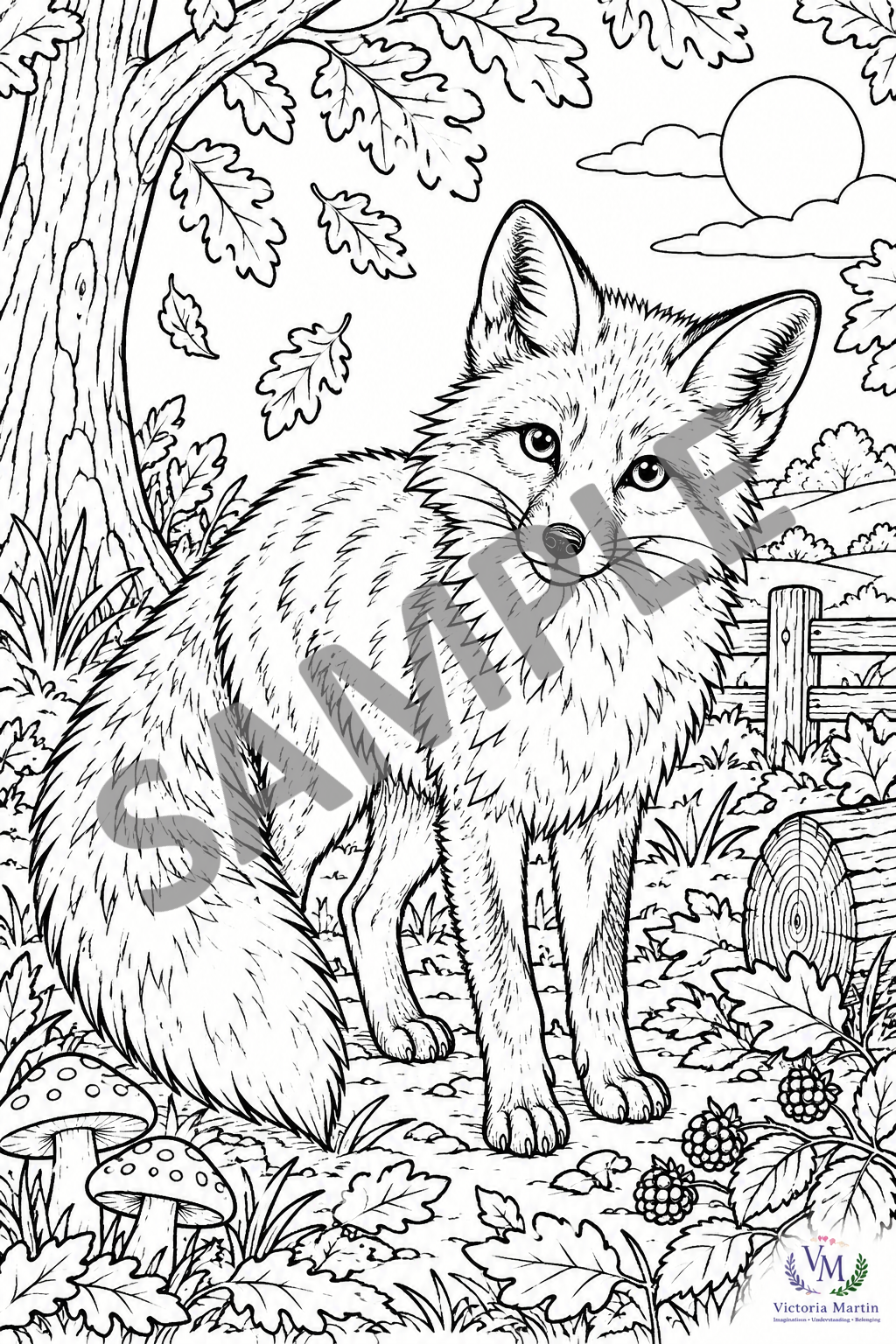
Can you see its long bushy tail and pointed ears?
Is it searching for food or simply travelling through the area?
Can you find paw prints or other signs that a fox has passed through, even if you cannot see the animal itself?
Remember that foxes are wild animals, so they are best watched quietly from a distance rather than approached.
The red fox has become a familiar neighbour in both Britain's countryside and its cities, showing just how successfully wildlife can adapt to a changing landscape.
Resources
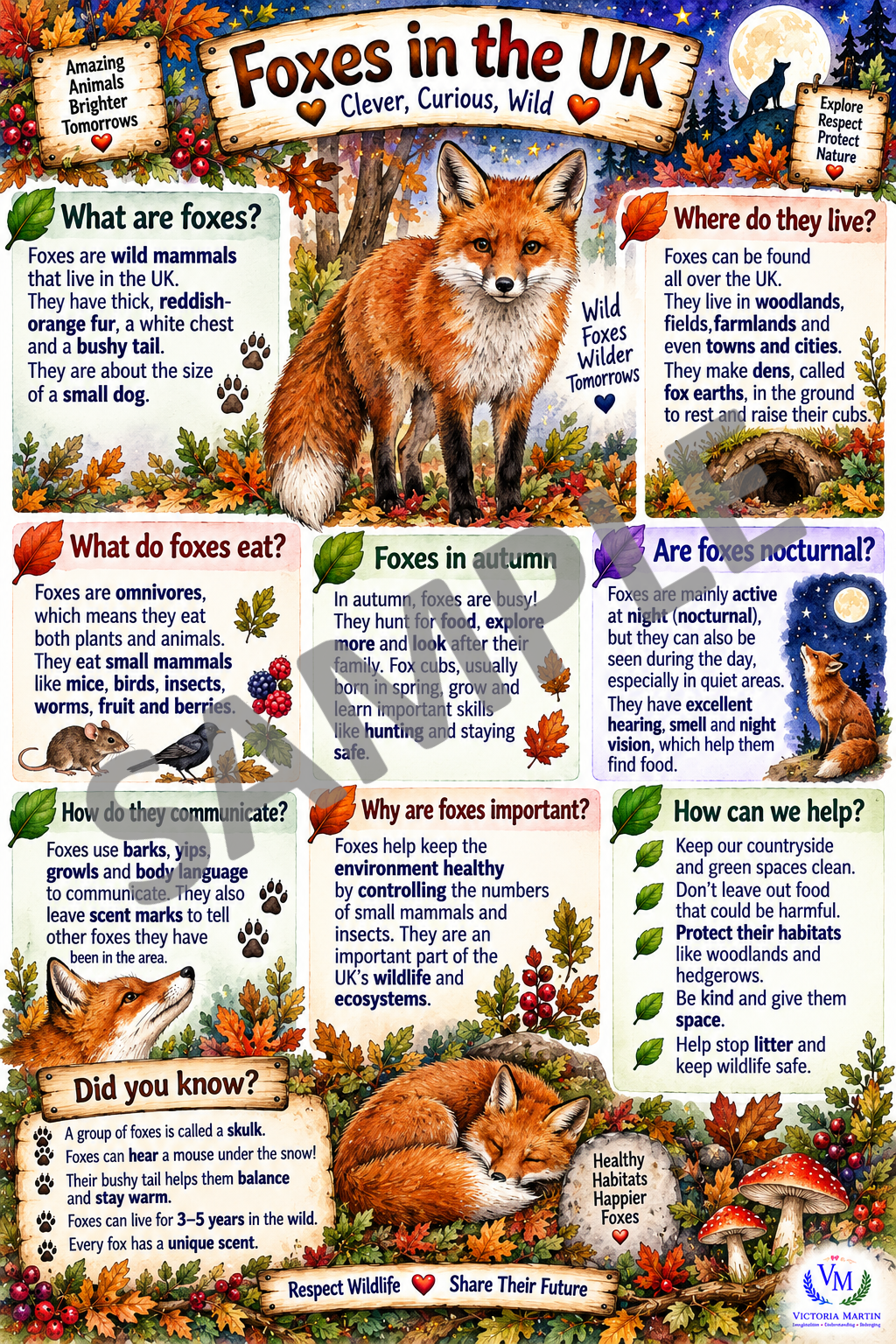
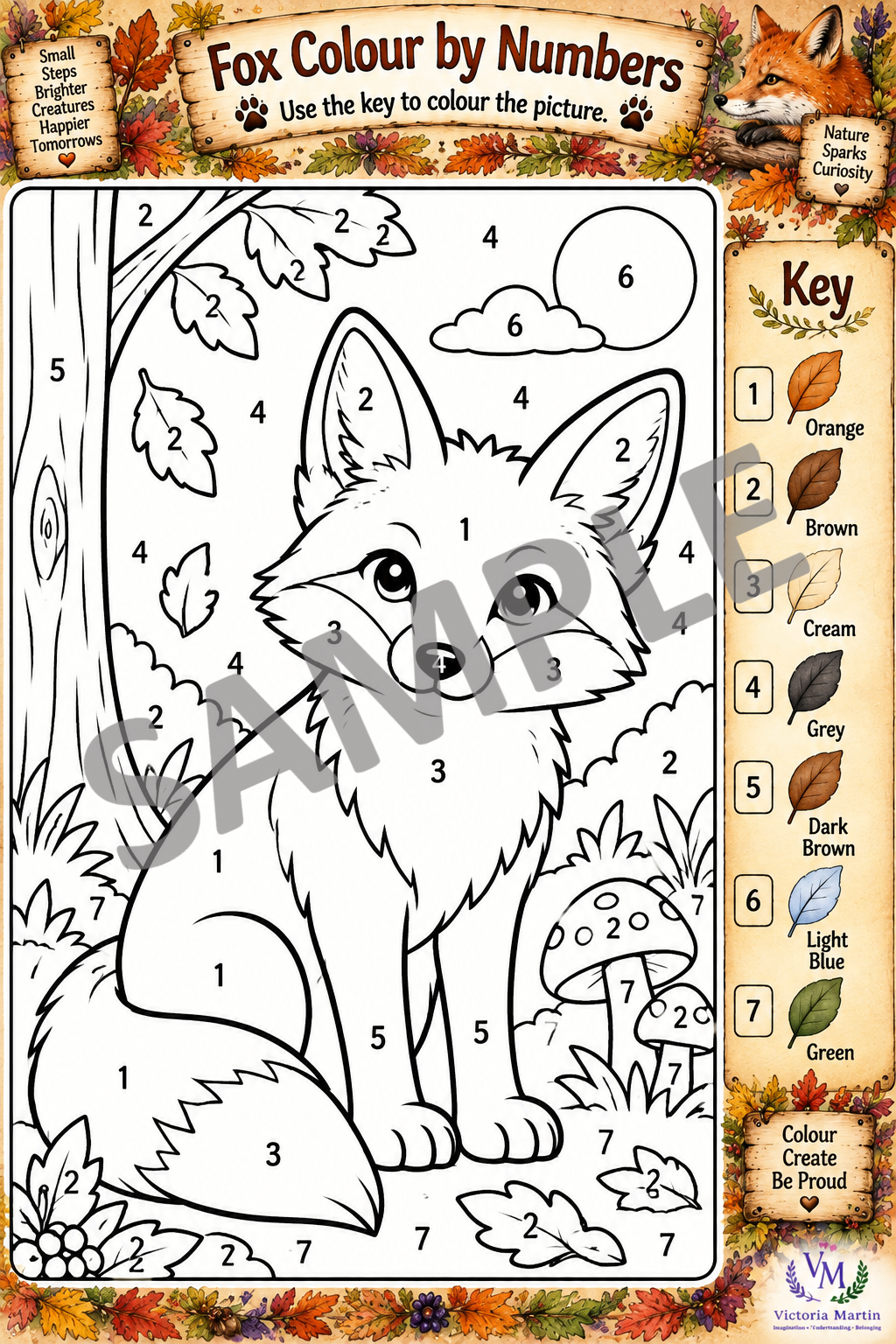
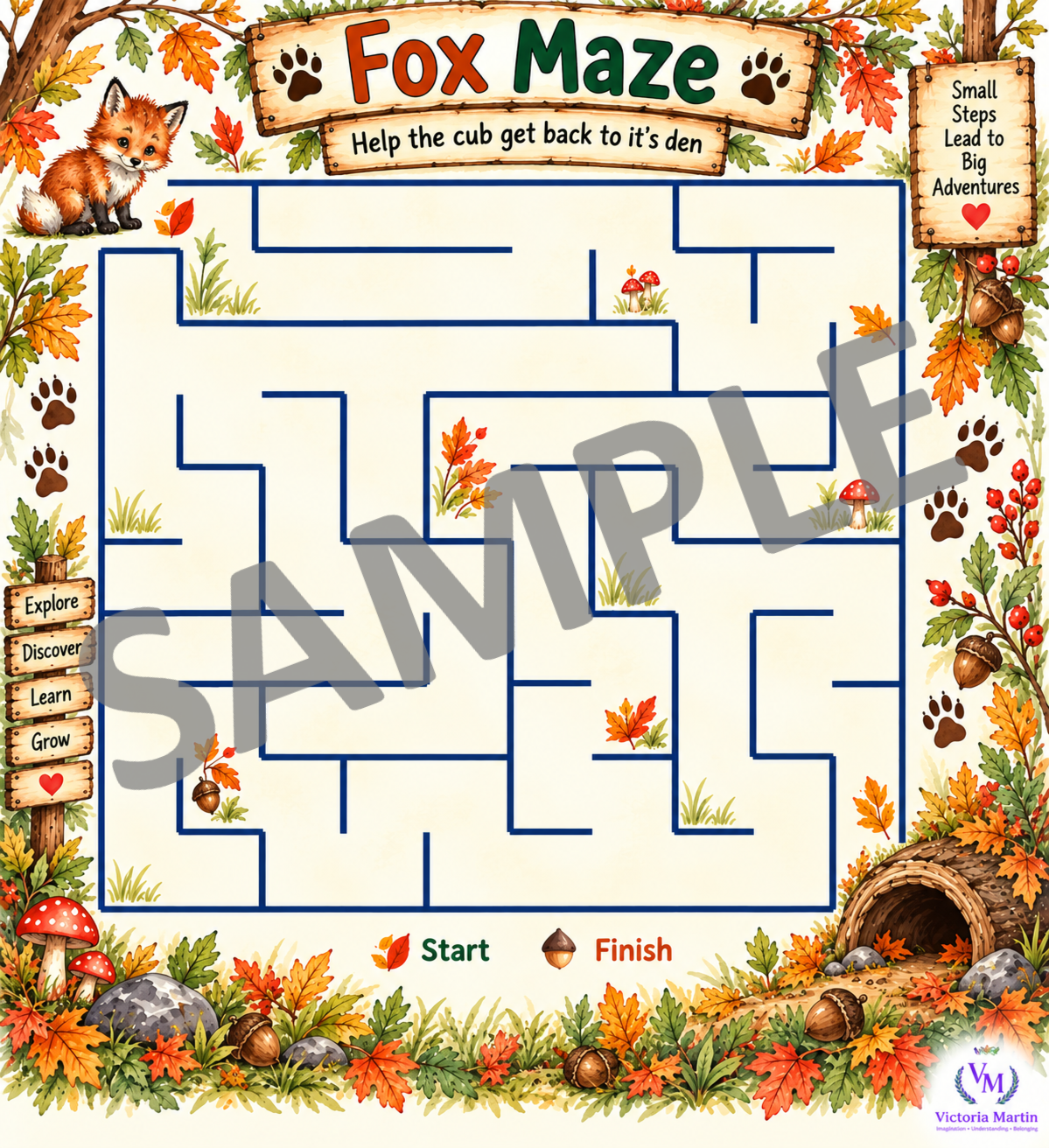



Further Information
Foxes in the UK: facts, behaviour and habitats - RSPCA - rspca.org.uk
Fox (Vulpes vulpes) - British Mammals - Woodland Trust
The secret life of urban foxes | Natural History Museum
Fox guide: behaviour, mating patterns and how to identify | Countryfile.com
BBC Four - The Wonder of Animals, Series 1 - Wonder facts: Foxes
Fox Facts | Mammals | BBC Earth | BBC Earth
Urban fox, your questions answered | Birmingham & Black Country Wildlife Trust
Foxes in the Garden: Tips for Coexistence | RHS Advice
YouTube Videos
The Fight to Protect Urban Foxes | 24 Hours With | BBC Earth