🌿 Ivy — The Evergreen Climber
Discover the Secrets of Britain's Climbing Ivy
Have you ever noticed green leaves climbing trees, twisting around fences or spreading across woodland floors, even during the coldest winter months?
This remarkable plant is called ivy, and it is one of Britain's most familiar, adaptable and important evergreen climbers.
With its glossy leaves, climbing stems and valuable winter berries, ivy provides food and shelter for wildlife throughout the year.
🌱 What Is Ivy?
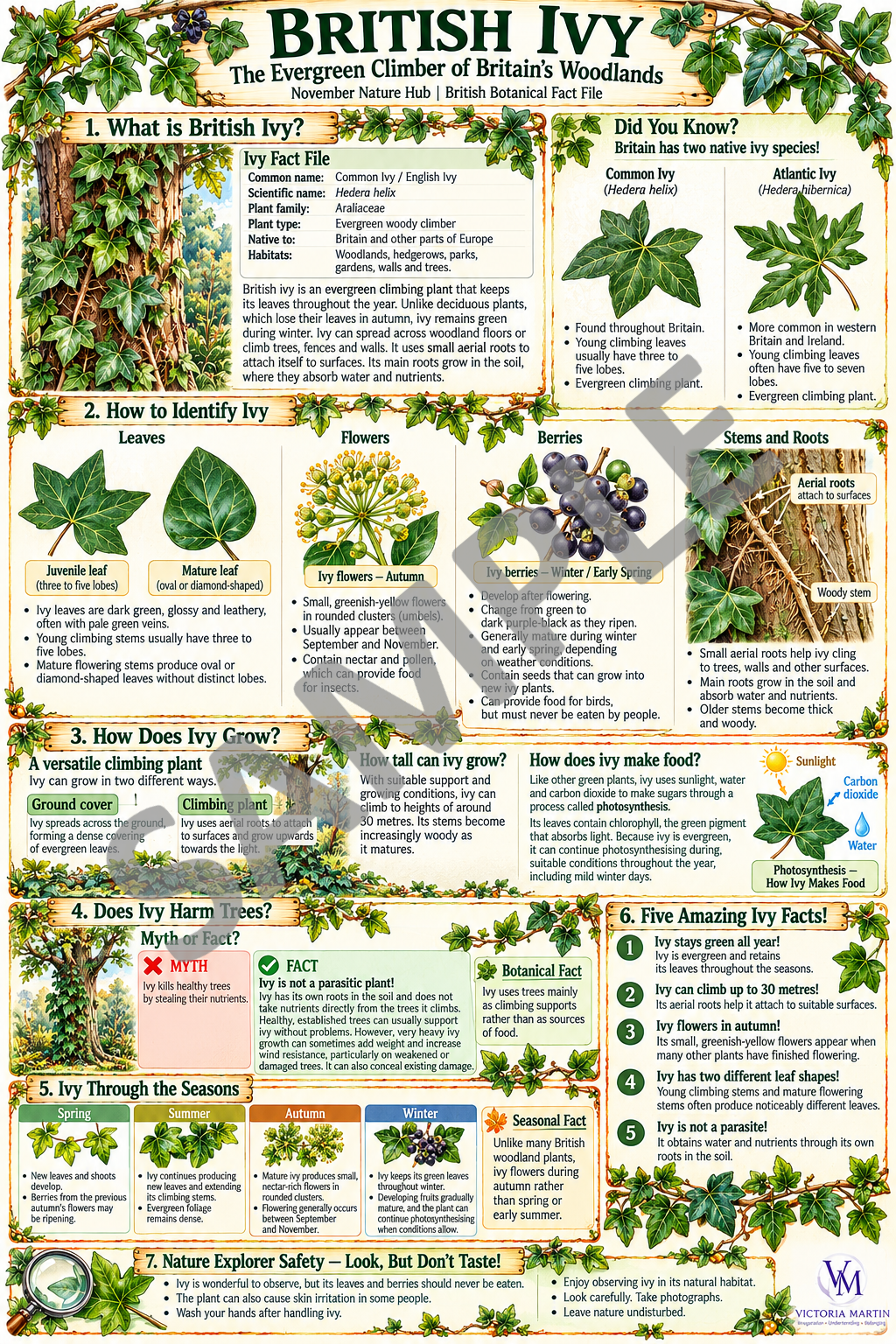
The scientific name for common ivy is Hedera helix, and it belongs to the Araliaceae plant family.
Britain has two native ivy species: common ivy (Hedera helix), which grows throughout the UK, and Atlantic ivy (Hedera hibernica), which is particularly common in western areas.
Common ivy grows naturally in woodlands, hedgerows, gardens and many other habitats throughout Britain.
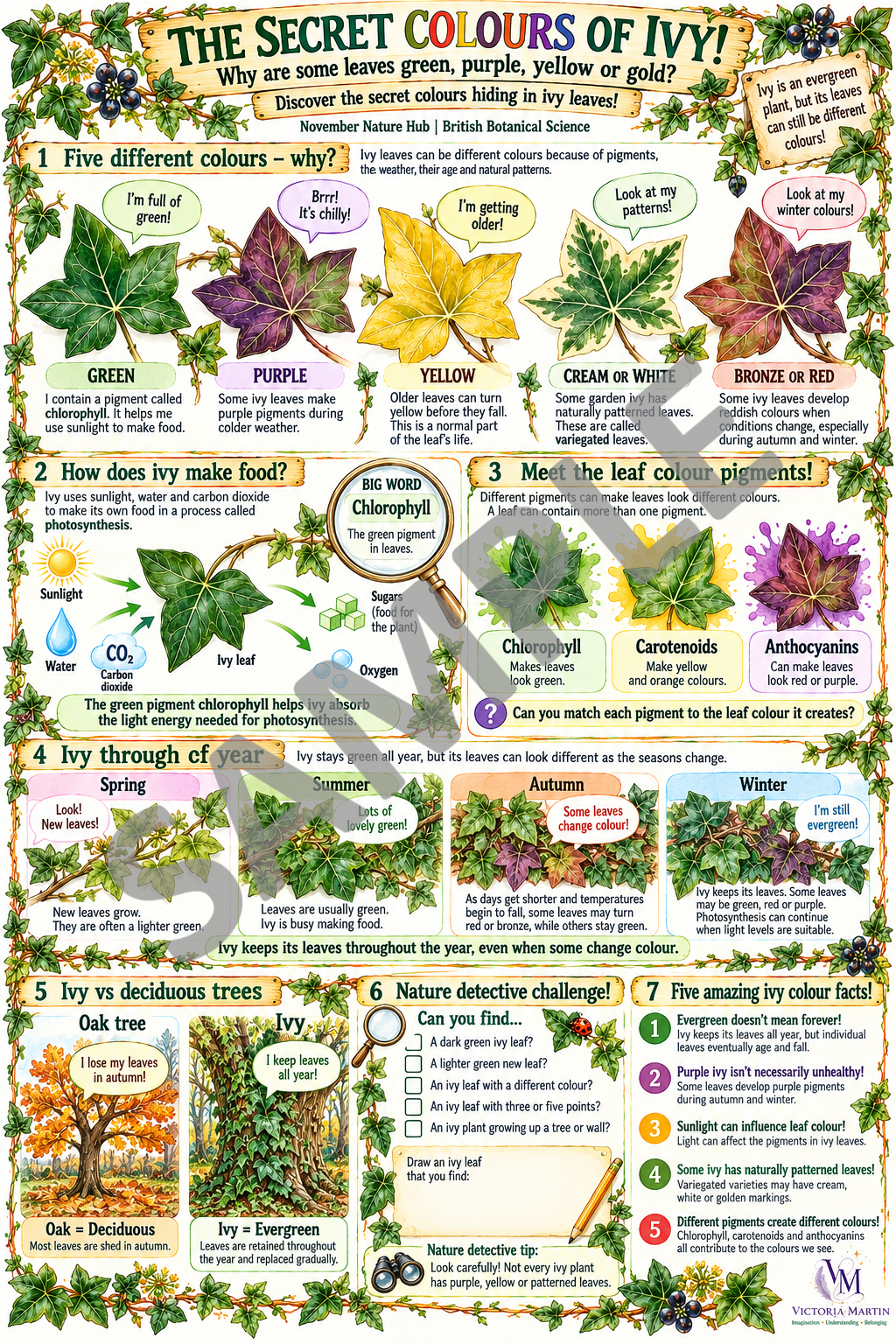
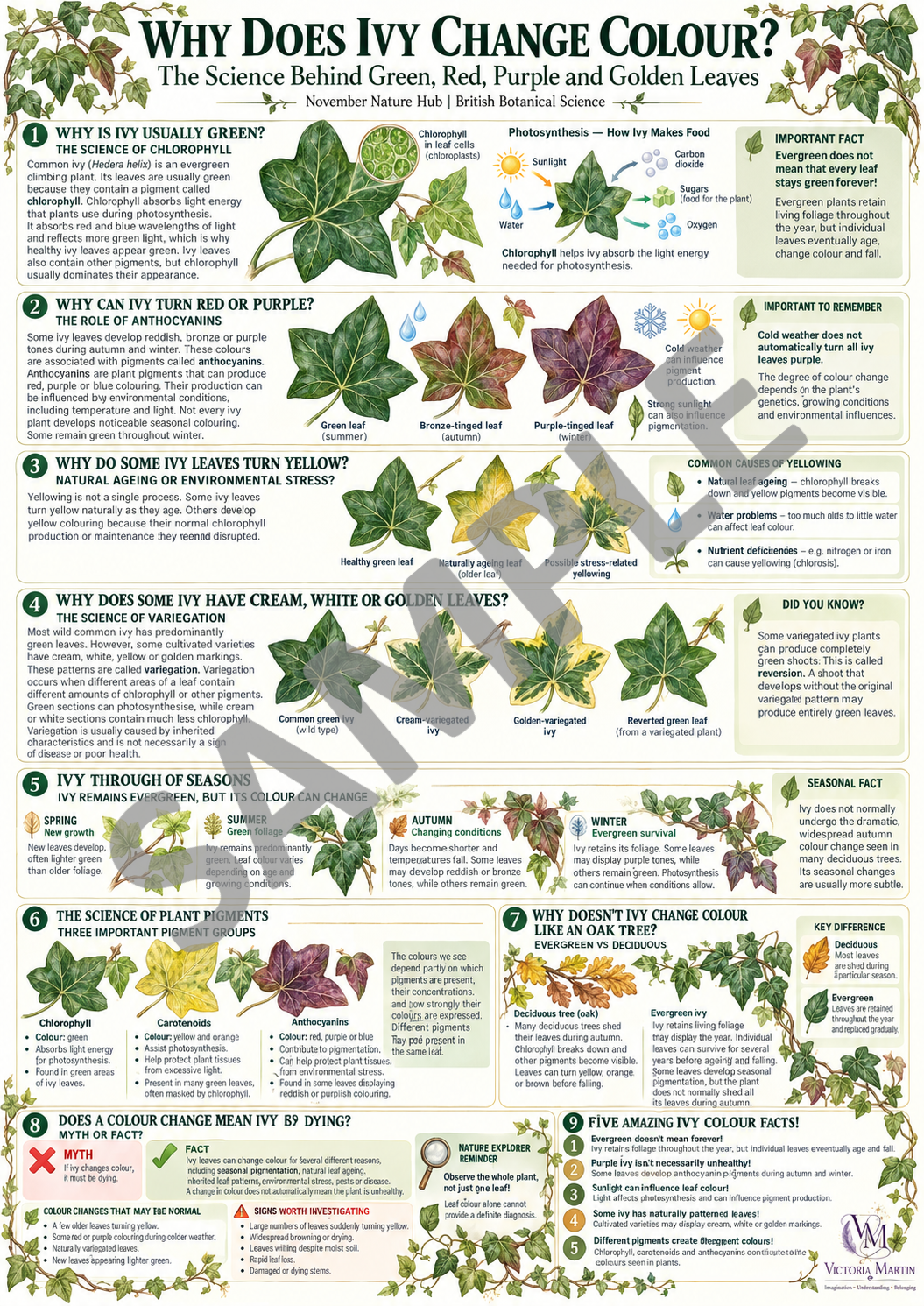
Unlike many plants that lose their leaves during autumn and winter, ivy remains green throughout the year.
However, being evergreen does not mean ivy keeps the same leaves forever; older leaves are gradually replaced as new ones grow.
🌳 Where Does Ivy Grow?
Ivy is a remarkably adaptable plant that can grow in woodland shade, partial sunlight and more exposed locations.
Ivy grows particularly well in fertile, well-drained soil, especially where decaying leaves and other organic matter help provide nutrients and moisture.
You might discover ivy spreading across woodland floors, climbing tree trunks or covering old stone walls.
Although ivy can grow in sunny places, its leaves may be affected by very dry conditions or strong exposure.
Its ability to grow in different environments makes ivy an important part of Britain's woodlands and green spaces.
🌿 How Does Ivy Climb?
One of ivy's most fascinating abilities is the way it can climb upwards, attach to surfaces and reach towards sunlight.
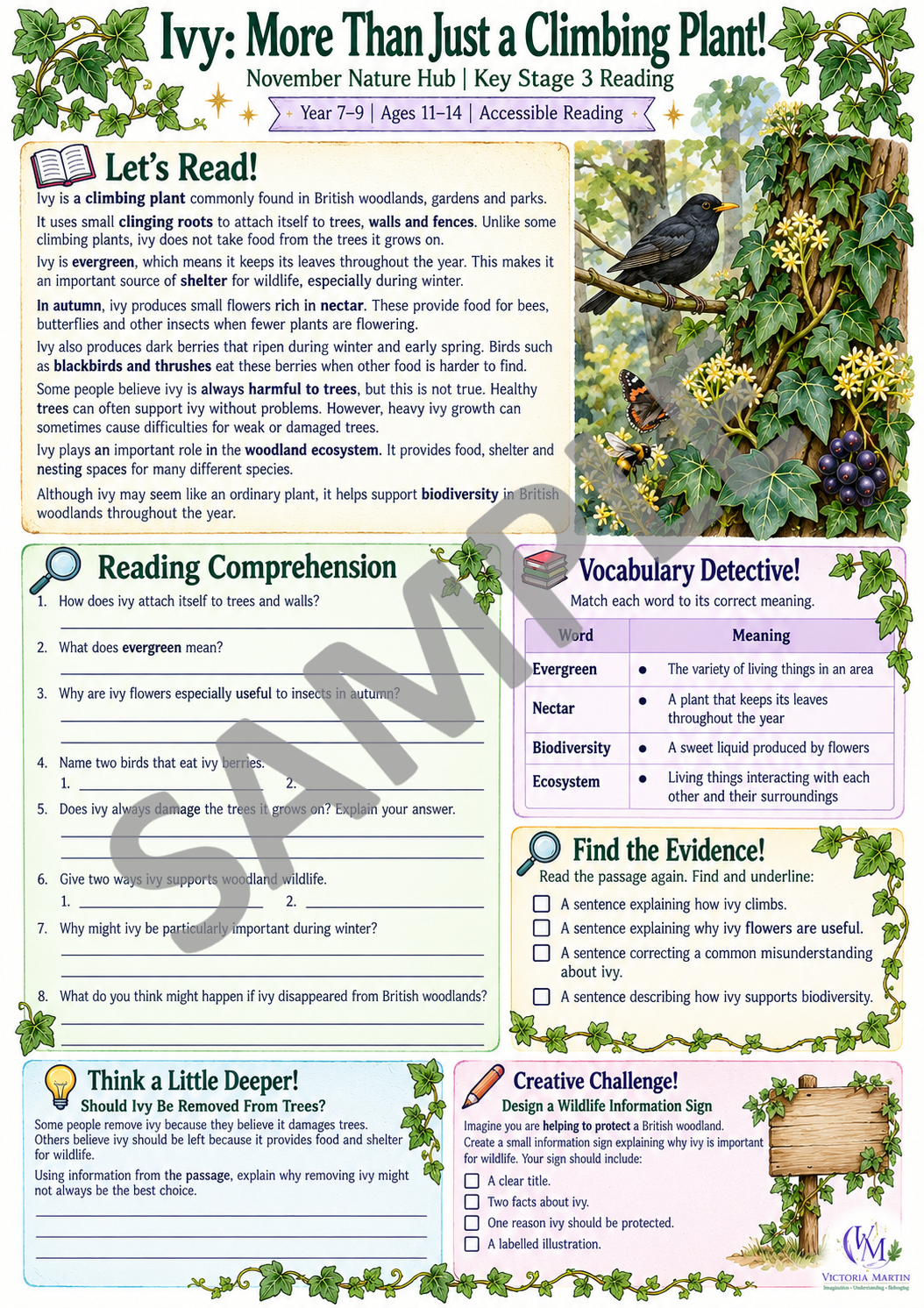
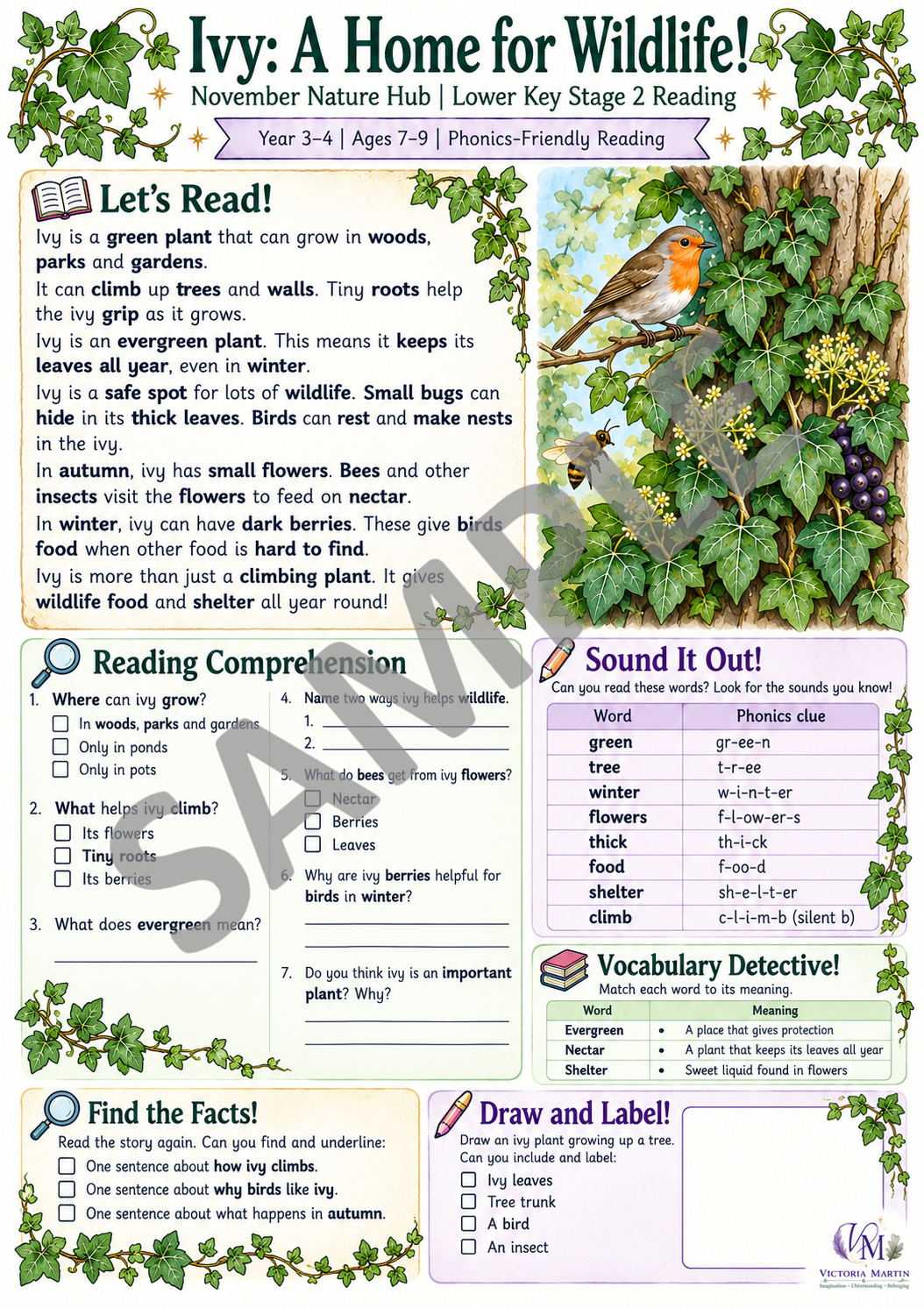
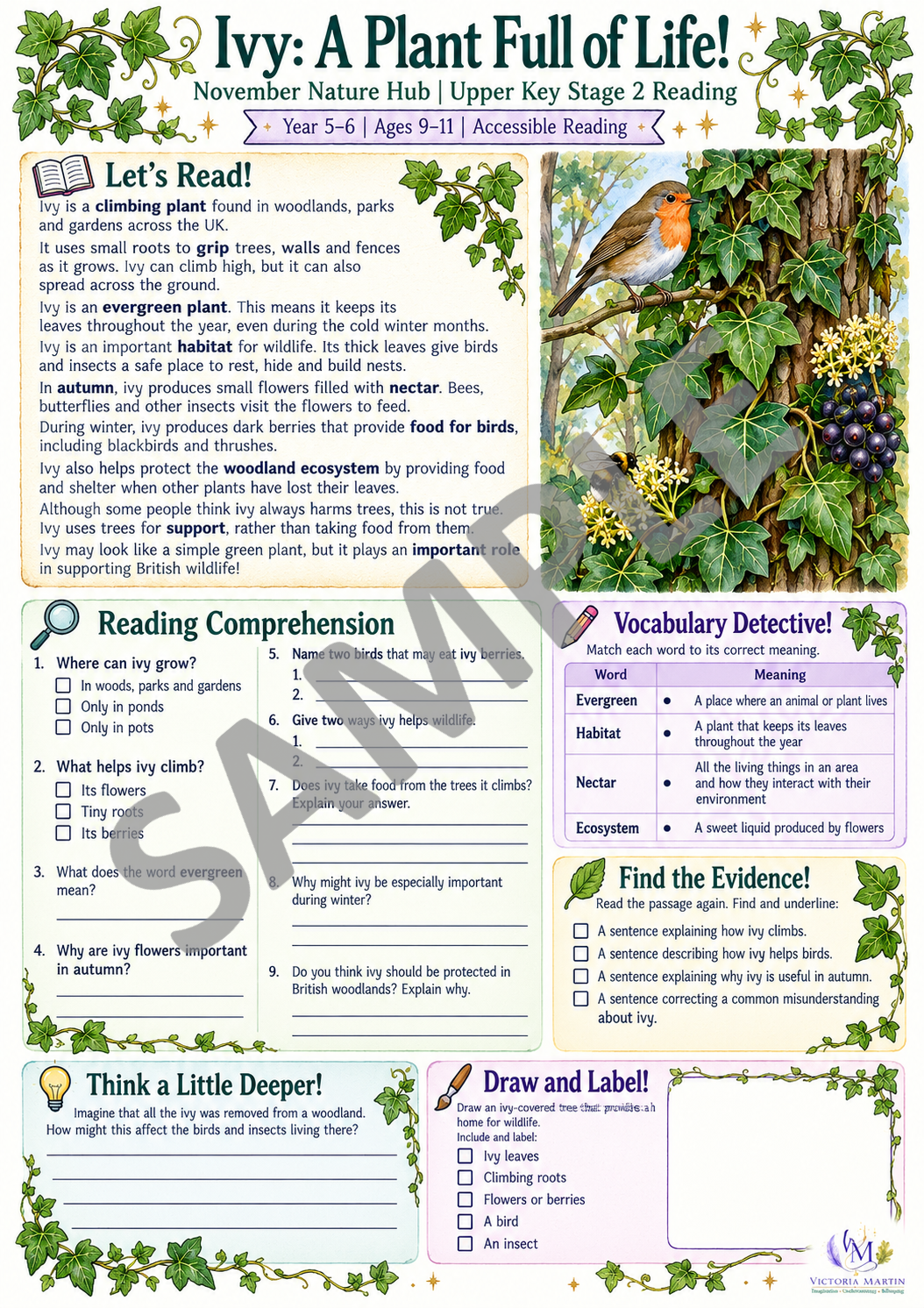
As ivy grows, it produces tiny aerial rootlets along its climbing stems, which help it grip rough surfaces.
These rootlets allow ivy to attach itself to tree bark, brickwork and stone walls without needing to wrap around them.
Unlike some climbing plants, ivy does not normally steal nutrients, take water or feed directly from the trees it climbs.
Instead, ivy absorbs the water and nutrients it needs through its own roots, growing in the soil beneath it.
🍃 Why Does Ivy Have Different Leaf Shapes?
Have you ever noticed that some ivy leaves have pointed lobes, while others are smooth and oval-shaped?
This difference is connected to the plant's growth stage, development and ability to produce flowers.
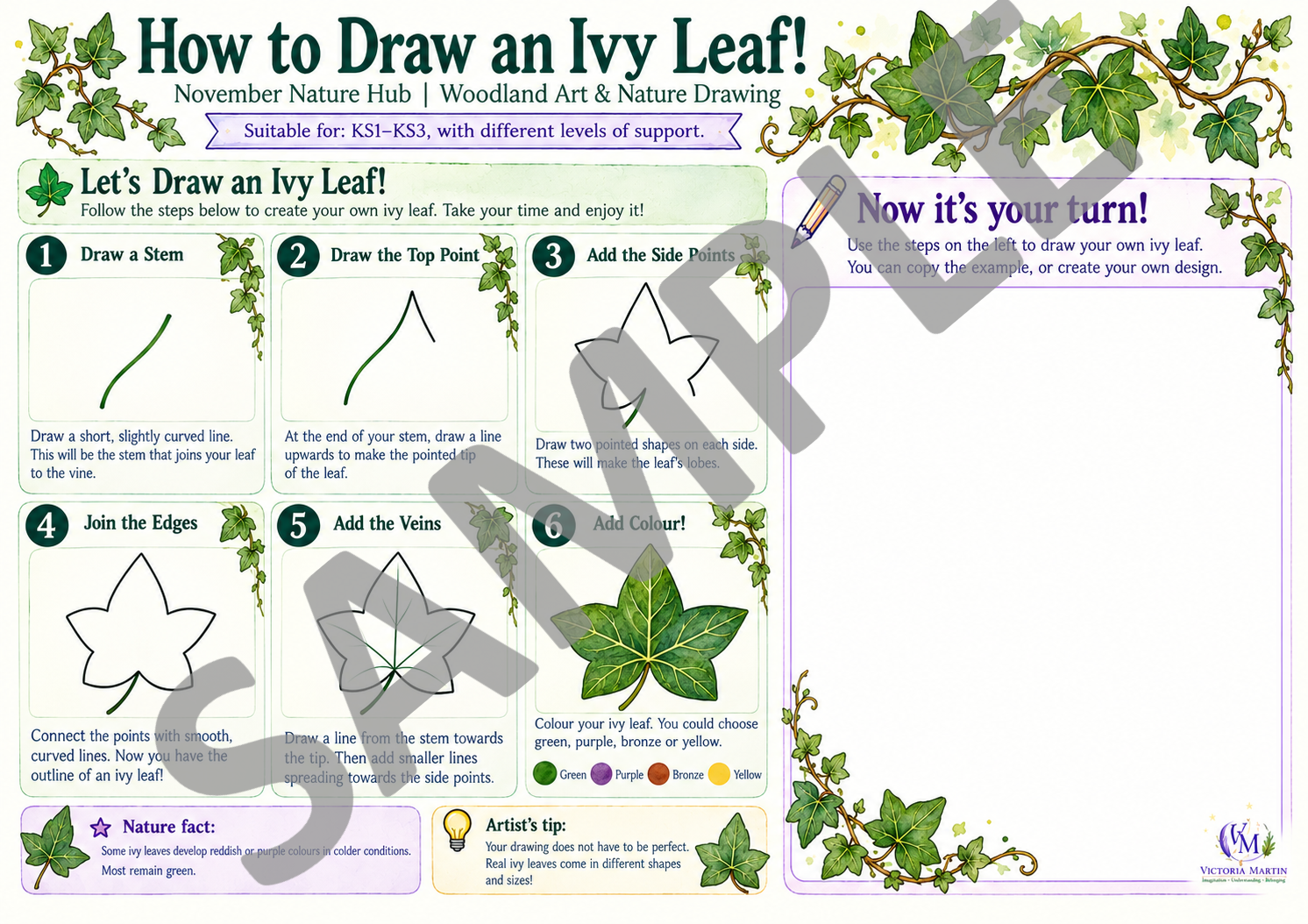
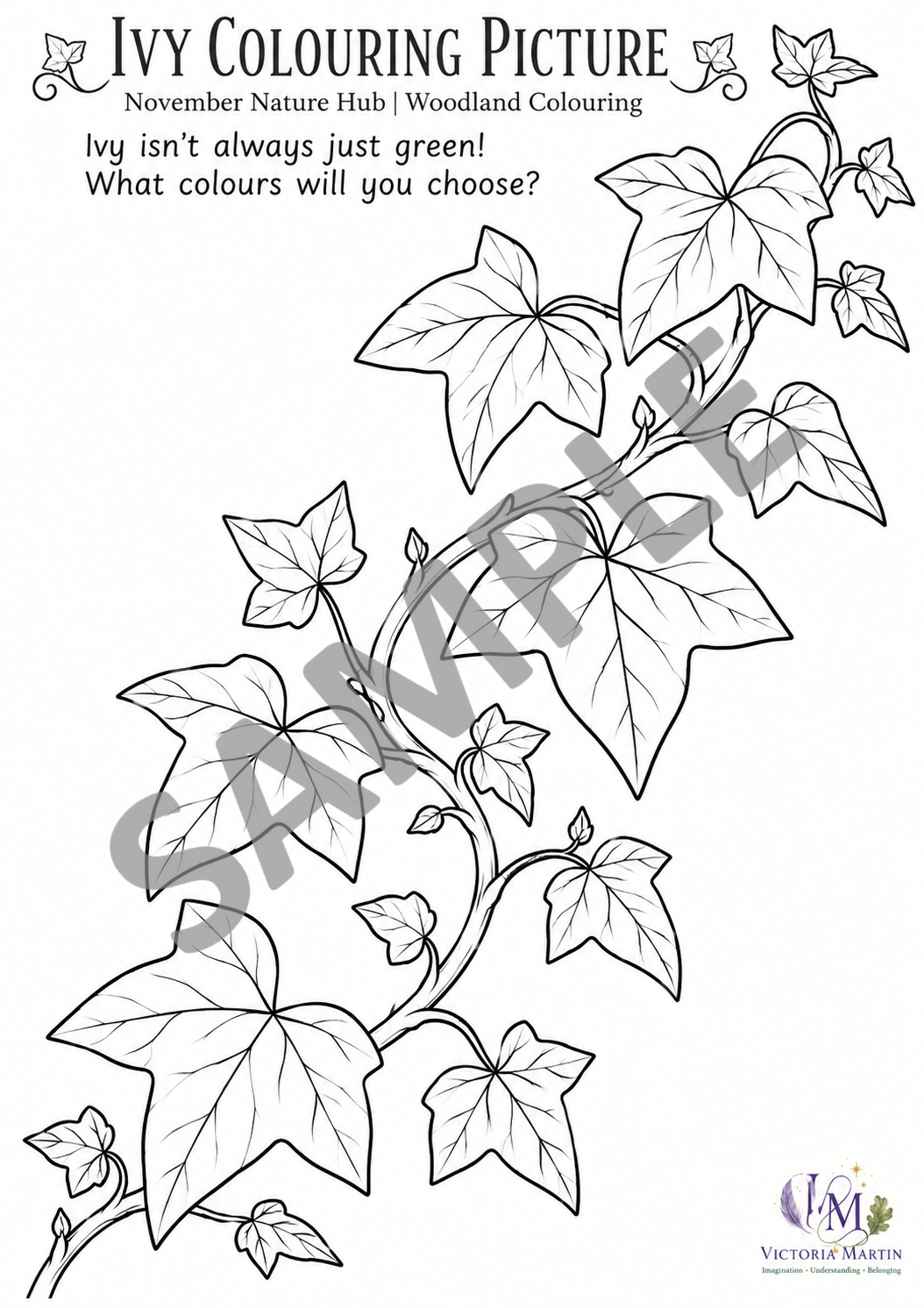
Younger, climbing ivy usually develops lobed leaves, which often resemble little green stars.
As ivy becomes mature, its flowering branches usually produce smoother, unlobed leaves.
These mature branches often grow away from the climbing surface and produce flowers, berries and new growth.
This means you might discover two different leaf shapes growing on the same ivy plant!
🌼 Ivy's Important Autumn Flowers
While many British plants finish flowering during summer, ivy produces its small greenish-yellow flowers during late summer and autumn.
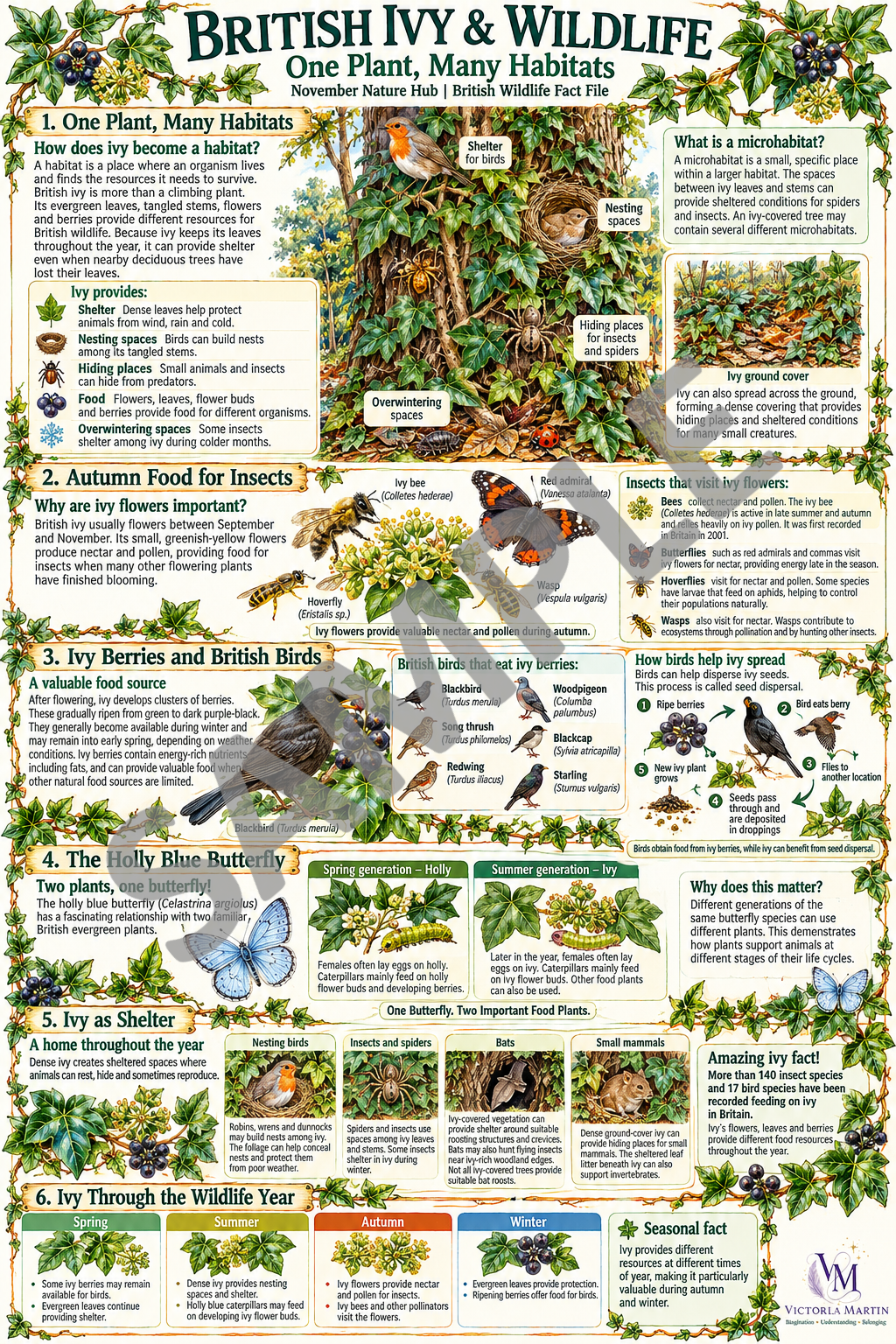
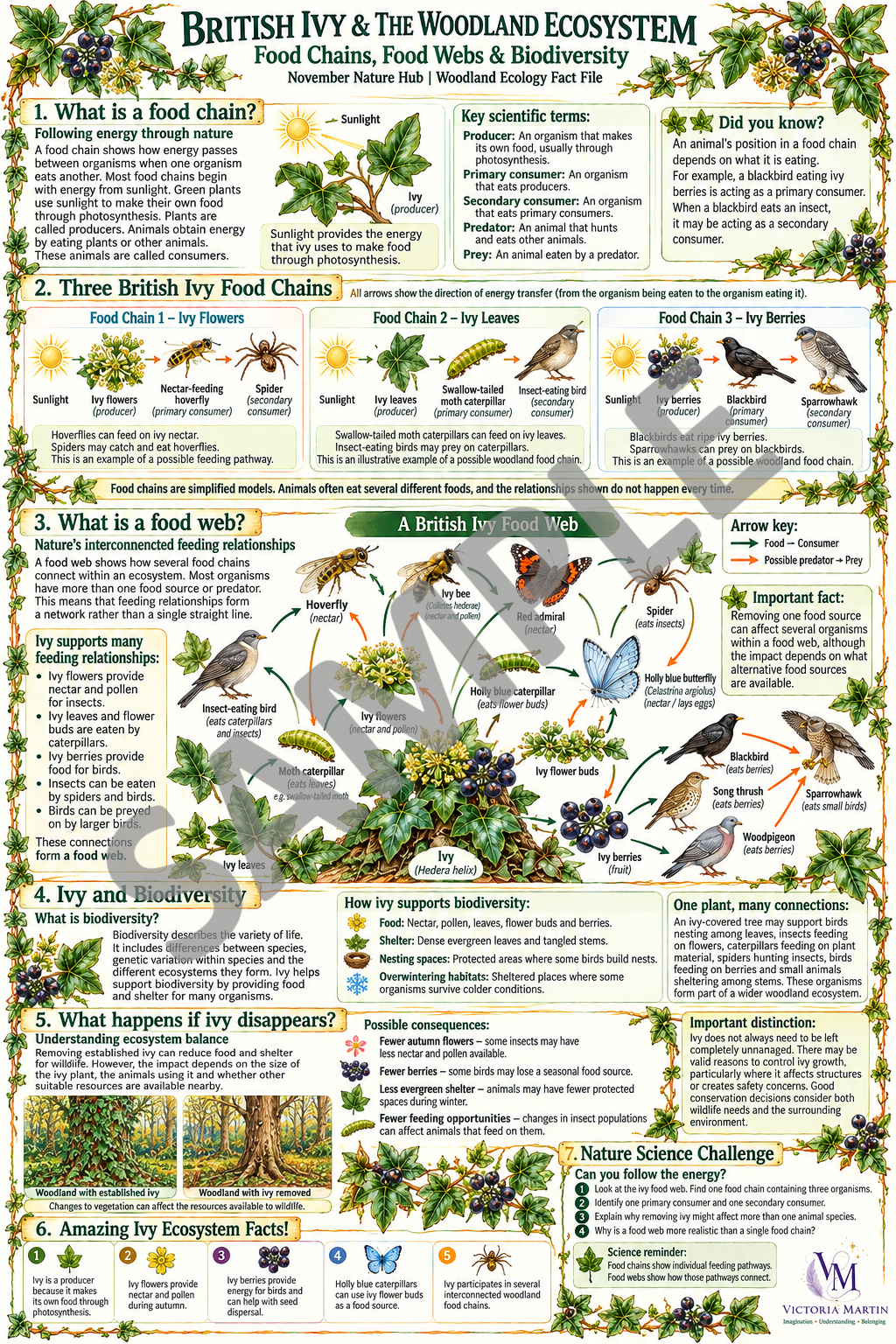
These flowers grow in rounded clusters and provide valuable nectar and pollen for insects preparing for winter.
Bees, hoverflies and other insects may visit ivy flowers when fewer flowering plants, less nectar and limited food sources are available.
The ivy bee, a solitary bee found in parts of Britain, is particularly associated with ivy flowers and their autumn pollen.
Ivy's late flowering season makes it an important food source for pollinating insects during autumn.
⚫ What About Ivy Berries?
After flowering, ivy develops small, round berries that gradually change from green to dark purple-black as they ripen.
Ivy berries generally ripen during winter, although the exact timing varies with weather conditions and location.
These berries can remain available into late winter and early spring, providing valuable food for birds when other natural food sources may be scarce.
Ivy berries provide important seasonal food for blackbirds, thrushes and other wild birds.
Although ivy provides valuable food for wildlife, its berries and leaves are not safe for people to eat, and the plant may irritate sensitive skin.
Never eat ivy berries, and remember that wild plants should always be observed safely.
🐦 Why Is Ivy Important for Wildlife?
Ivy provides much more than beautiful greenery, autumn flowers and winter berries.
Its thick evergreen leaves offer shelter, nesting places and protection from bad weather for many birds.
Insects and other small creatures may find safe hiding spaces, protected resting places and suitable habitats among its tangled stems.
Some butterflies and moths also use ivy as a food plant, sheltered resting place or breeding habitat.
During colder months, ivy's dense evergreen growth can provide valuable protection for wildlife when many surrounding plants are bare.
🌳 Does Ivy Harm Trees?
You may have heard that ivy kills trees, steals their food or damages their roots, but this is a common misunderstanding.
Ivy is not a parasitic plant, meaning it does not normally take water or nutrients directly from the trees it climbs.
Healthy, established trees can usually support climbing ivy without suffering direct damage, although unusually heavy growth may create additional problems in certain conditions.
However, very heavy ivy growth can sometimes increase wind resistance, add extra weight or hide existing damage, particularly on weakened trees.
Ivy can also compete with surrounding plants for water, nutrients and growing space through its roots in the soil.
Rather than automatically removing ivy, it is important to consider the tree's condition, surrounding environment and benefits to wildlife.
❄️ Ivy Through the Seasons
Spring: Ivy remains green and leafy, while any remaining ripe berries may provide food for birds as new growth begins.
Summer: Its climbing stems, glossy leaves and dense greenery provide shelter for wildlife.
Autumn: Small greenish-yellow flowers attract bees, hoverflies and other insects searching for late-season food.
Winter: Ivy remains evergreen, offering shelter and protection while its developing berries prepare to ripen.
✨ Did You Know?
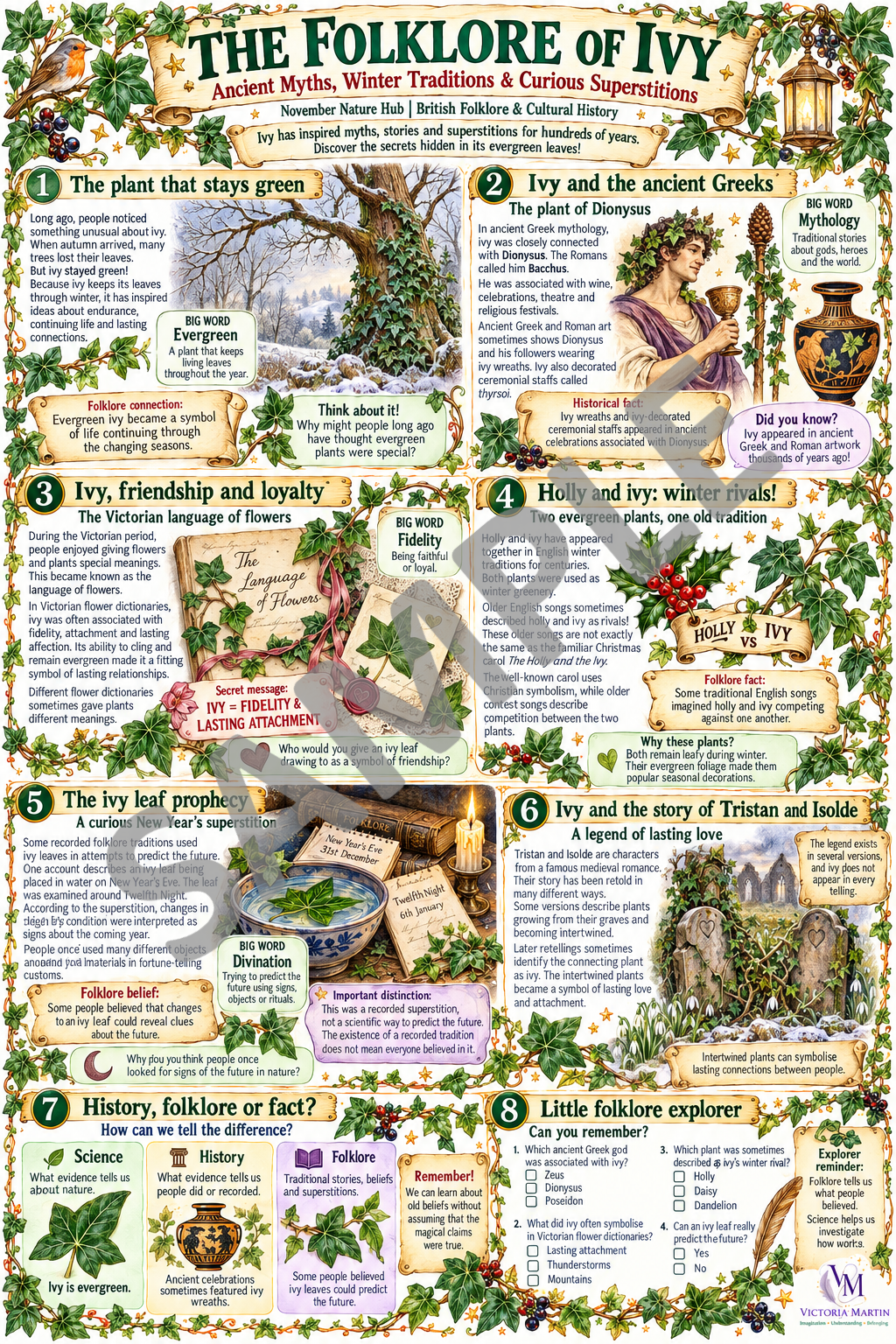
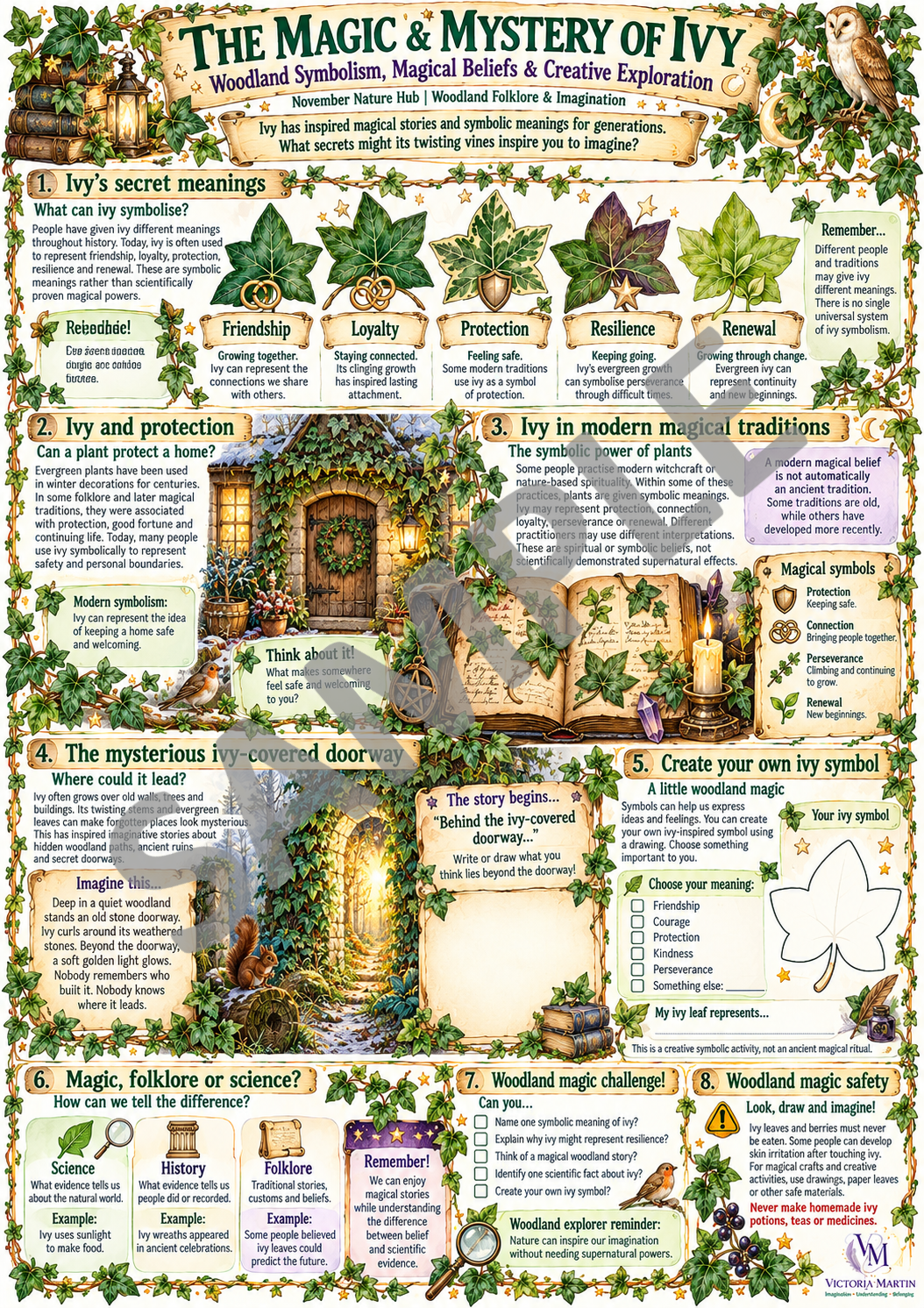
Ivy has been associated with friendship, loyalty and everlasting life in British and European folklore.
Because ivy remains green throughout winter, it became a traditional symbol of endurance, continuity and renewal.
Ivy was also used in traditional winter decorations, alongside holly and other evergreen plants.
Today, common ivy remains an important part of British wildlife habitats, historic landscapes and seasonal traditions.
🍃 Look, Notice and Explore!
Next time you visit a woodland, park or garden, see whether you can spot some ivy growing nearby.
Look carefully at its different leaf shapes, climbing stems and interesting growth patterns.
Can you find star-shaped leaves, smooth oval leaves or tiny aerial rootlets gripping a tree trunk?
During autumn, you might even spot bees, hoverflies or other pollinating insects visiting its flowers.
Remember to observe gently, leave berries untouched and avoid disturbing wildlife sheltering among the leaves.
Nature is full of clever adaptations, and sometimes the most familiar plants have the most fascinating stories to tell!