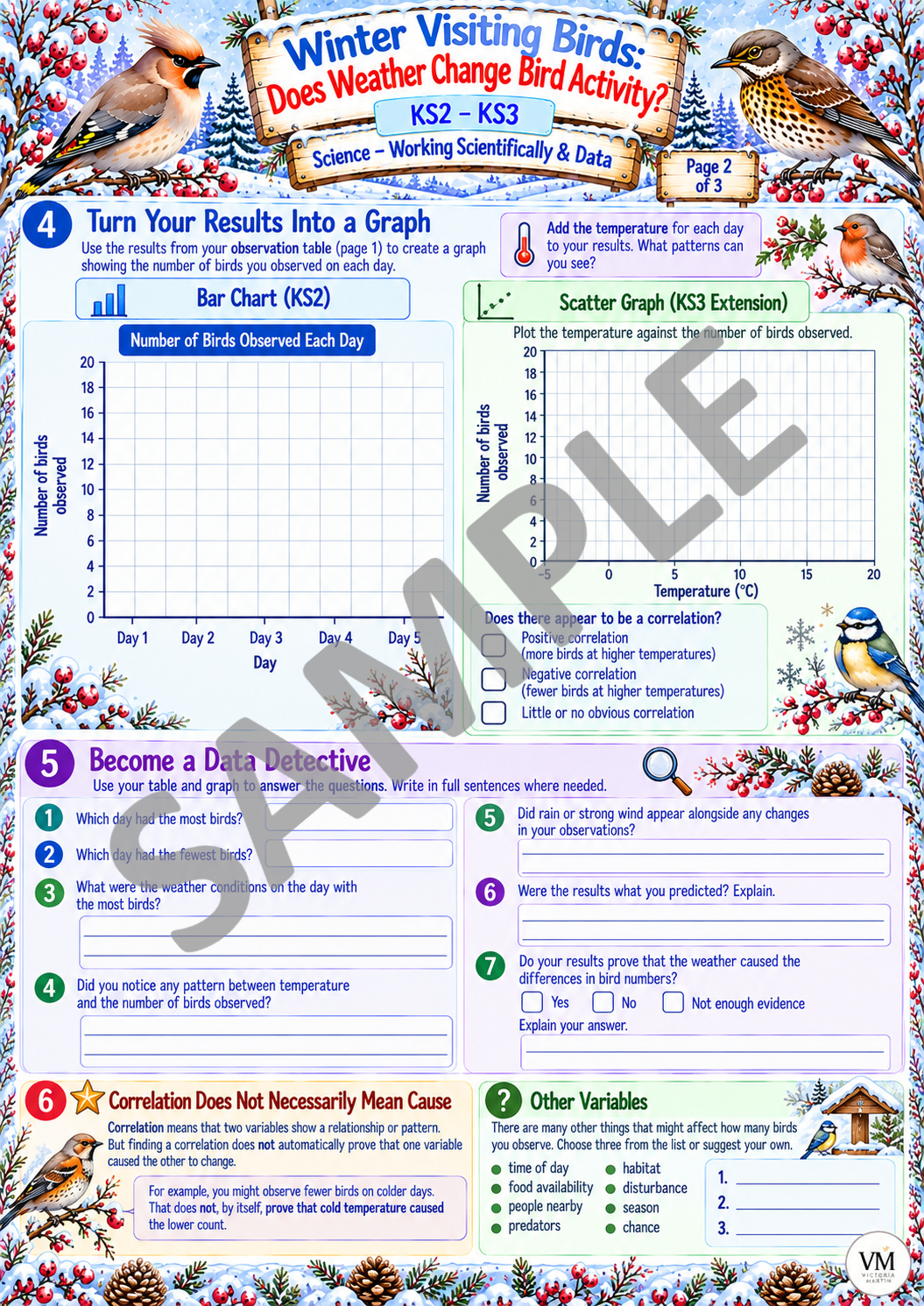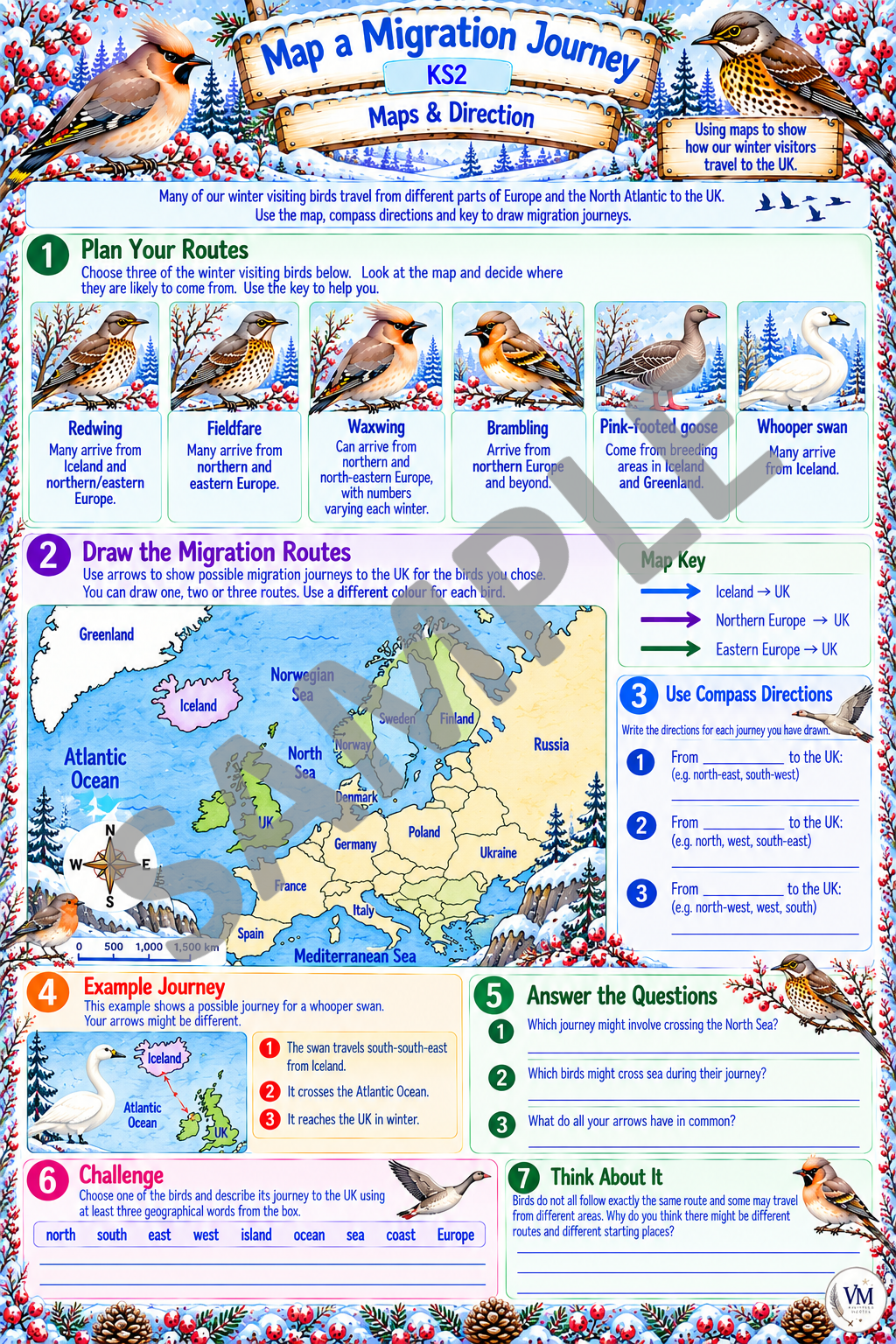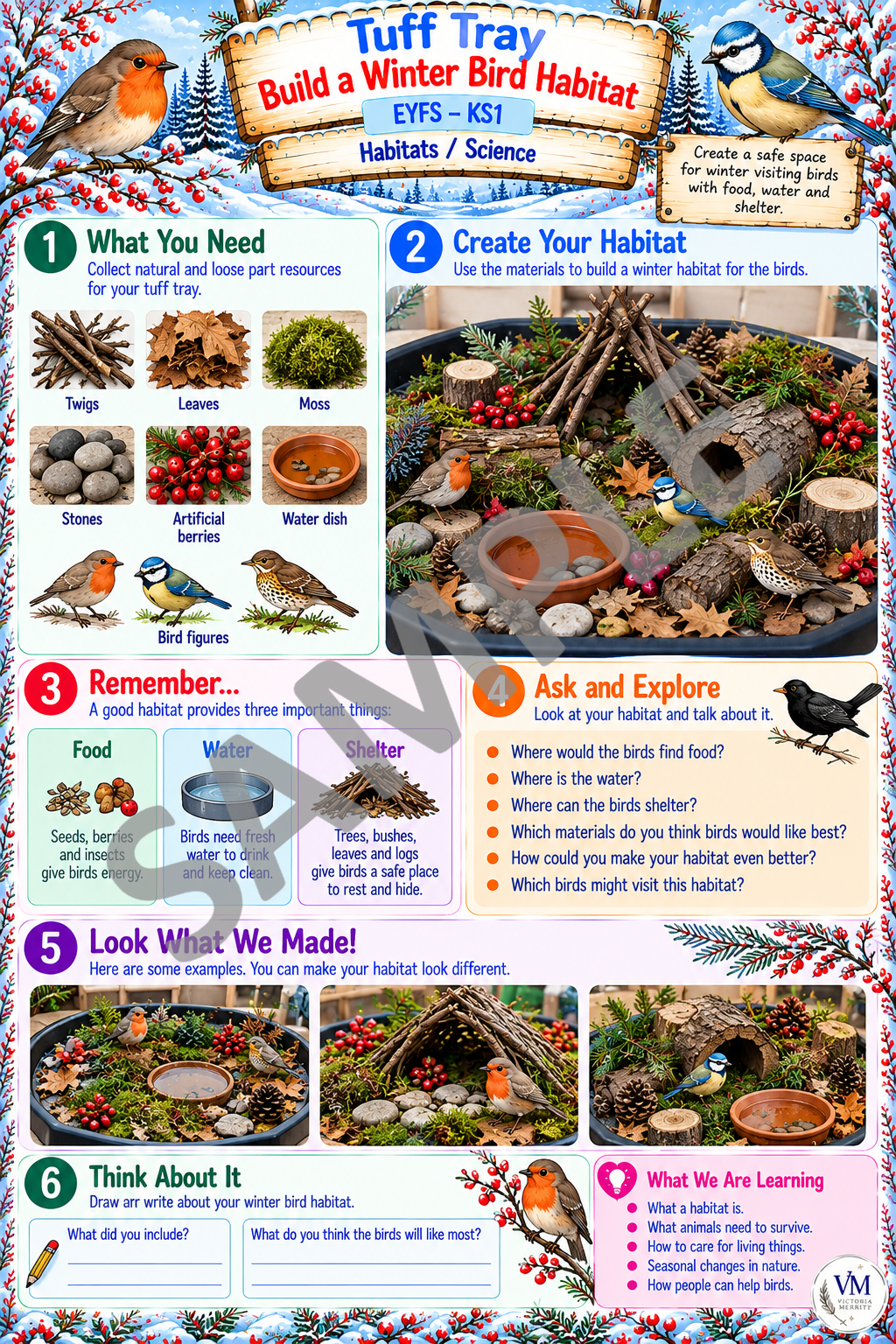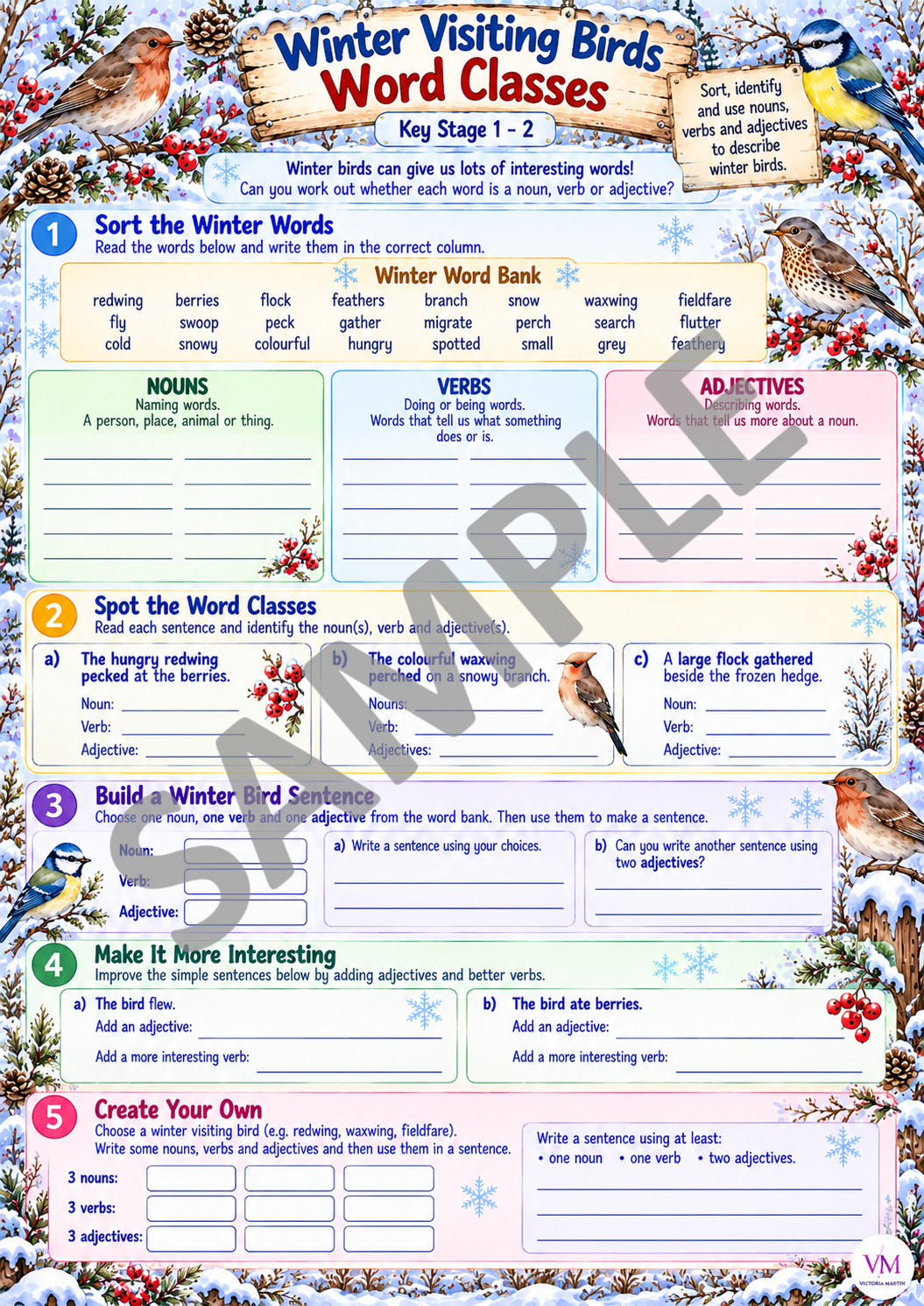
What is a winter visitor?
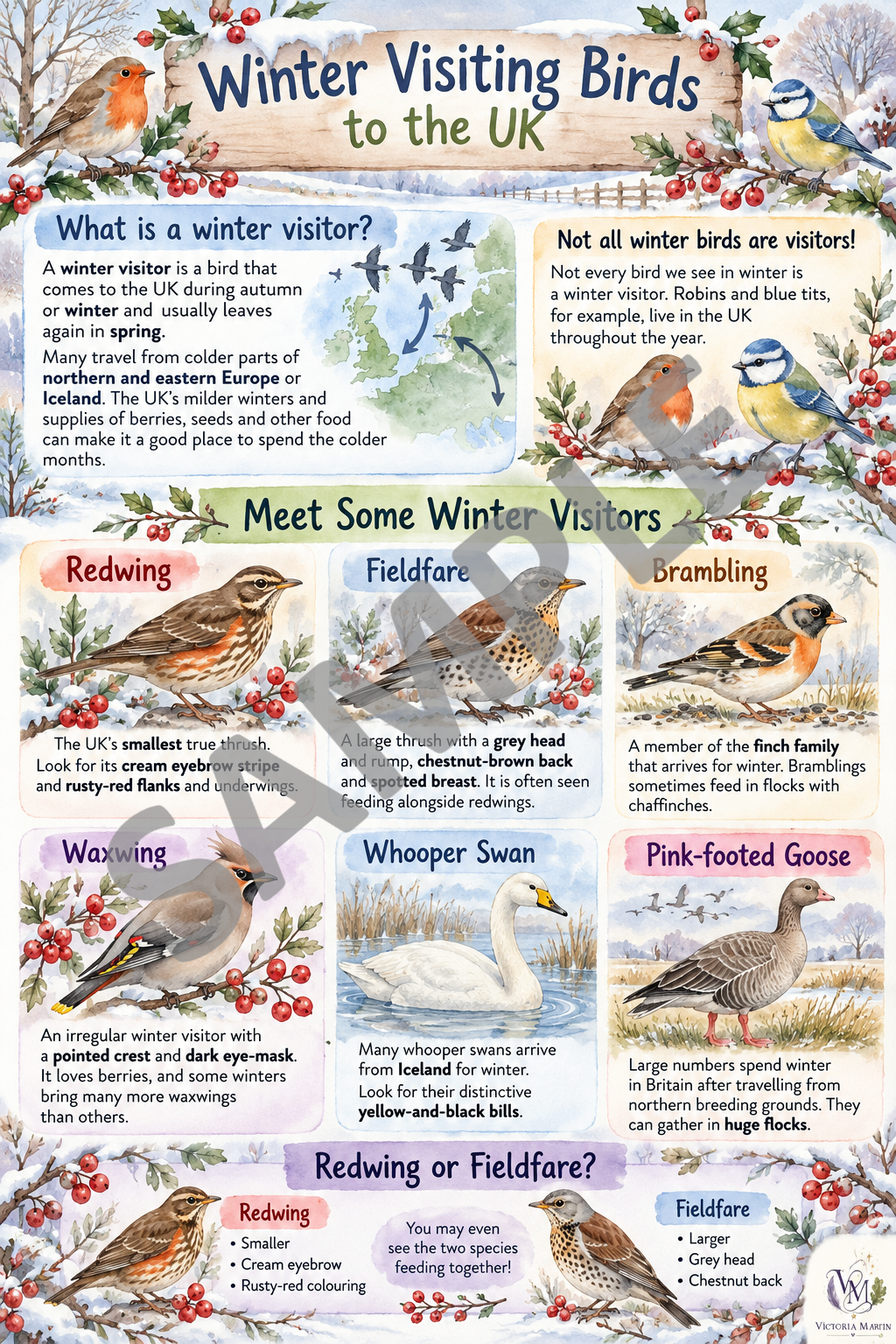
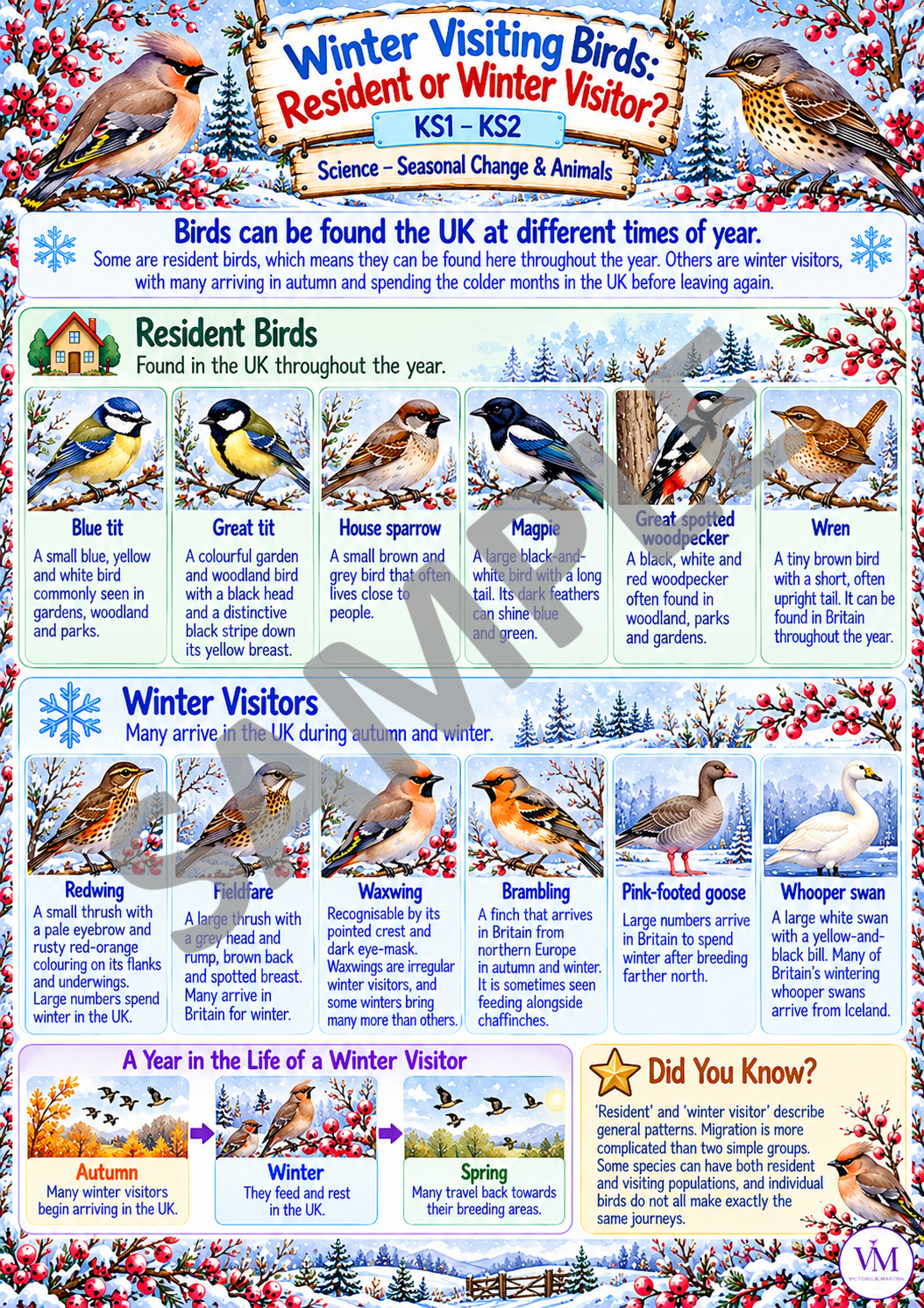
A winter visitor is a bird that arrives in the UK during autumn or winter and spends part or all of the colder months here before usually leaving again in spring.
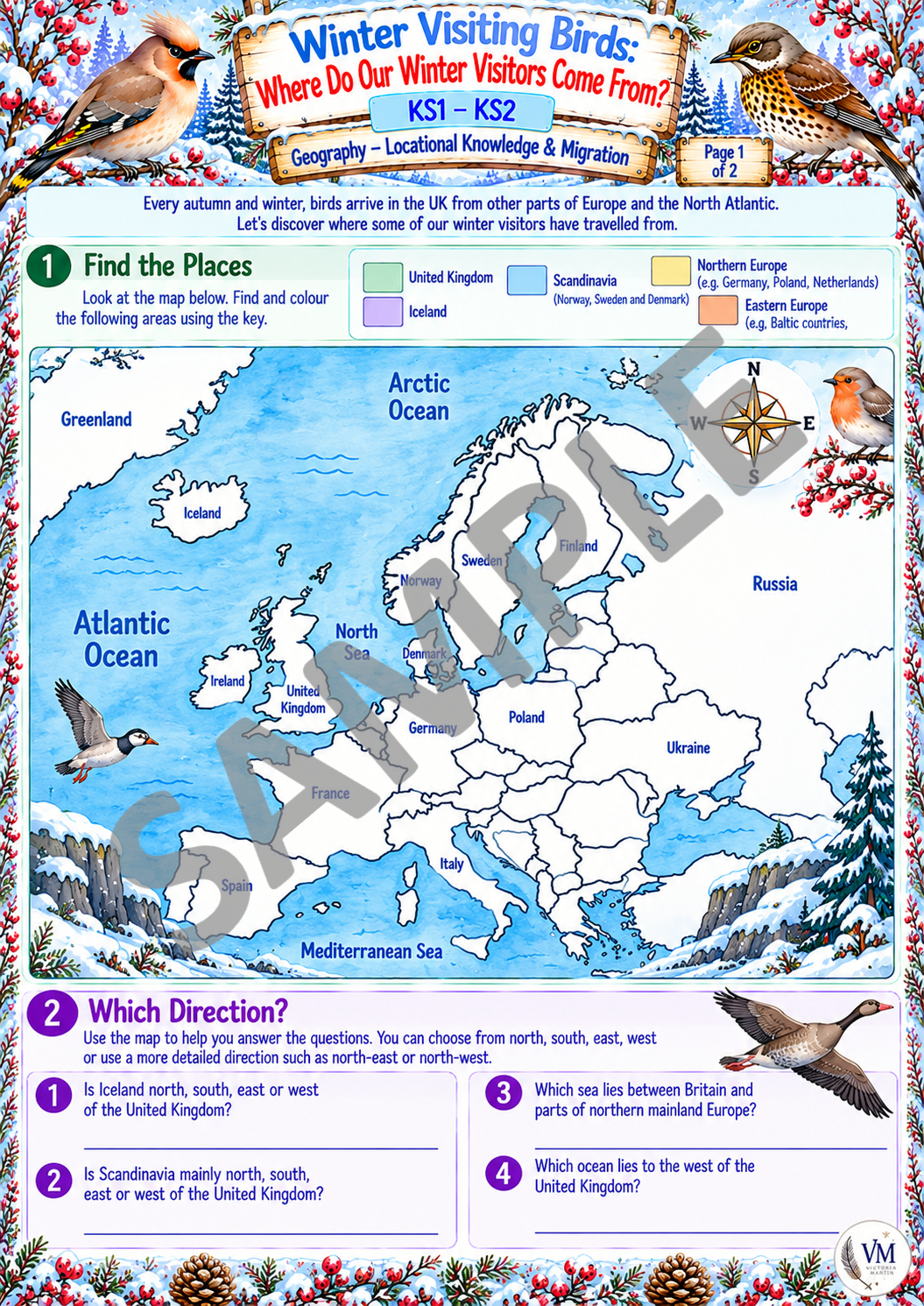
Many winter visitors travel from Iceland, Scandinavia, northern Europe, eastern Europe or Russia, where winter conditions can become colder and food may become harder to find. The UK's comparatively mild winter climate and supplies of food can make it an important place for these birds to spend the colder months.
Not every bird we see during winter is a winter visitor. Birds such as robins and blue tits live in the UK throughout the year, although some species that have resident UK populations can also be joined by additional migrant birds from elsewhere in Europe during winter.
Why do birds come to the UK?
As autumn progresses, temperatures fall, daylight decreases and food availability changes across northern and eastern Europe.
For many migrating birds, food availability is particularly important. Poor berry crops or freezing conditions farther north and east can encourage birds to travel in search of places where berries, seeds, fruit or invertebrates are easier to find.
The UK can provide important winter feeding areas, including farmland, hedgerows, woodland, wetlands, estuaries, parks and gardens.
Migration does not always mean simply travelling directly from north to south. Some birds travel mainly east to west, while others move between different areas depending on weather and available food.
Meet Some Winter Visitors
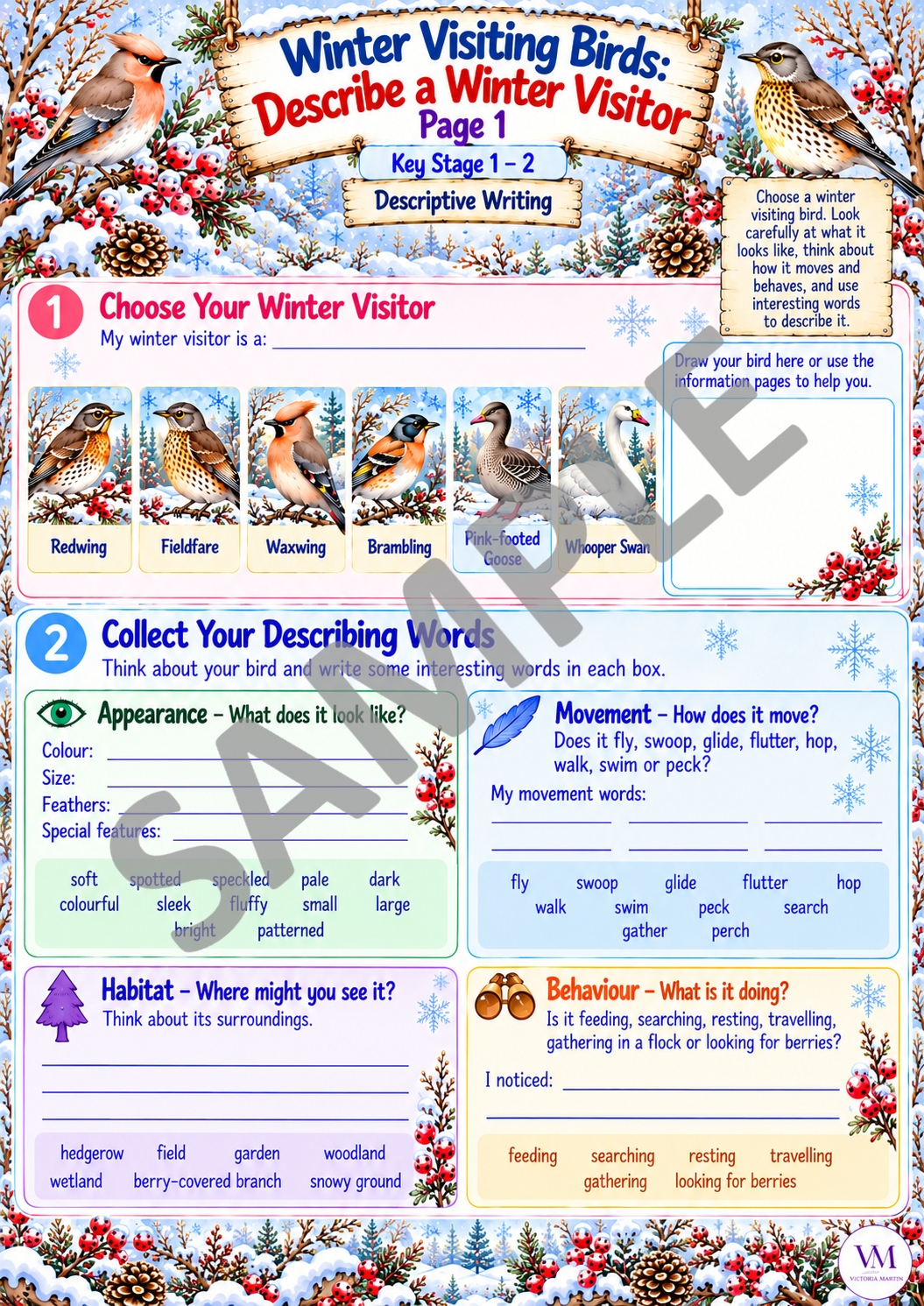
🔴 Redwing
The redwing is the UK's smallest true thrush and is mainly a winter visitor.
Most begin arriving during autumn, travelling from breeding areas including Iceland and Fennoscandia, and most leave again during spring.
Look for a distinctive cream-coloured stripe above the eye and rusty-red/orange flanks and underwings.
Redwings often feed on berries during winter and may gather in flocks, sometimes alongside fieldfares.
Although most redwings seen in the UK are winter visitors, a very small number breed in northern Scotland, so it would be inaccurate to say that redwings are only found here during winter.
🩶 Fieldfare
The fieldfare is a large thrush and is predominantly a winter visitor to the UK.
Fieldfares usually begin arriving in October from breeding areas including Fennoscandia, western Russia and eastern Europe.
They have a grey head and rump, a chestnut-brown back and a spotted breast.
Fieldfares are sociable birds and can form large feeding flocks, frequently mixing with redwings while searching for berries and other food.
Like redwings, fieldfares are not exclusively winter visitors. Tiny numbers have occasionally bred in the UK, although breeding here is very rare.
🧡 Brambling
The brambling is a member of the finch family and is an autumn migrant and winter visitor to Britain and Ireland.
Bramblings arrive mainly from their breeding grounds in Fennoscandia, generally beginning to appear during October.
During winter they may join flocks of other finches, and they can sometimes appear in gardens, particularly where food is available.
Numbers can vary considerably from one winter to another, and most bramblings leave again by April.
✨ Waxwing
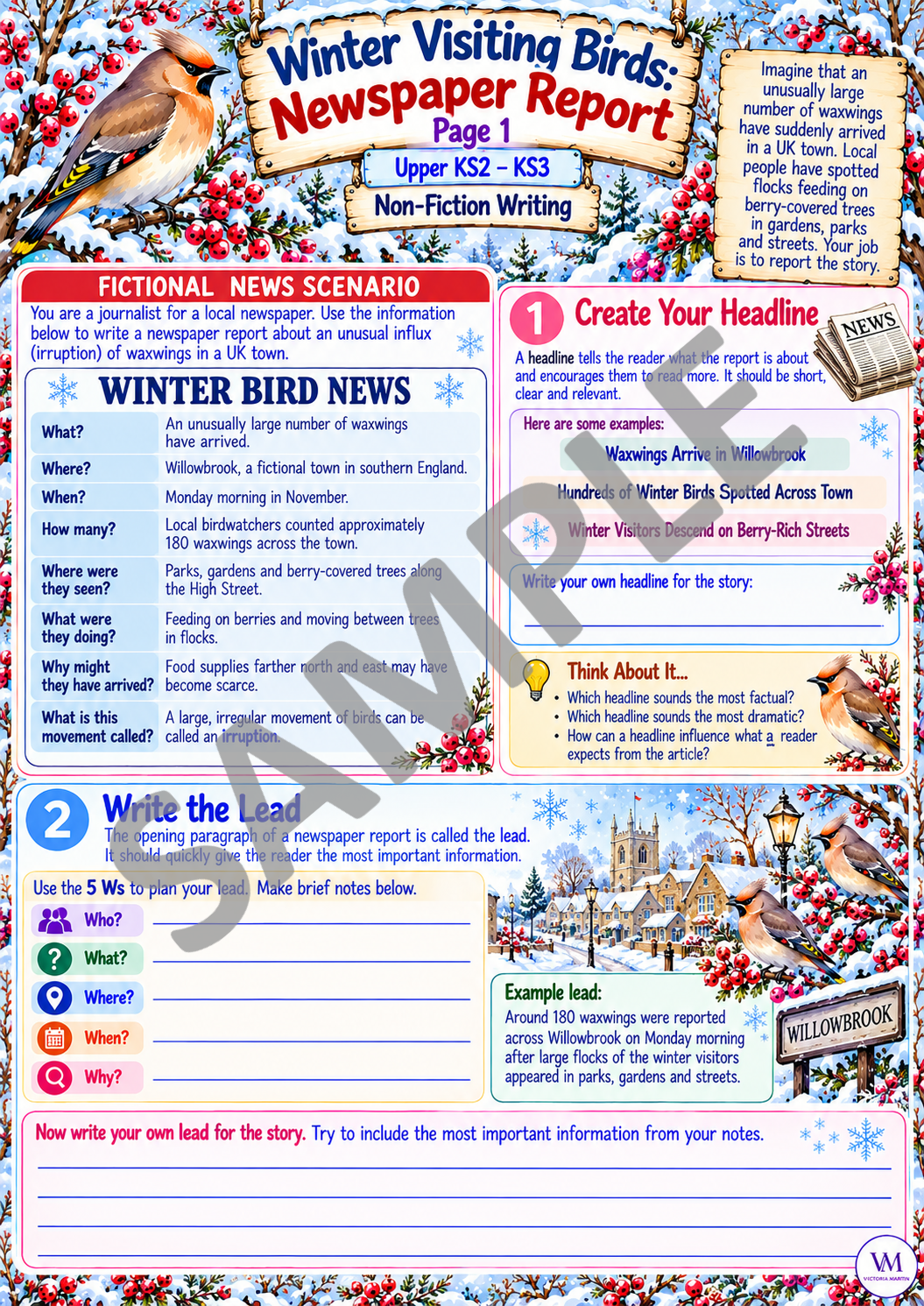
The beautiful waxwing is an irruptive winter visitor, meaning the number reaching the UK can vary dramatically between different winters.
Waxwings breed farther north and east, including in Fennoscandia and western Russia. When berry supplies become scarce nearer their breeding areas, larger numbers may move into the UK looking for food.
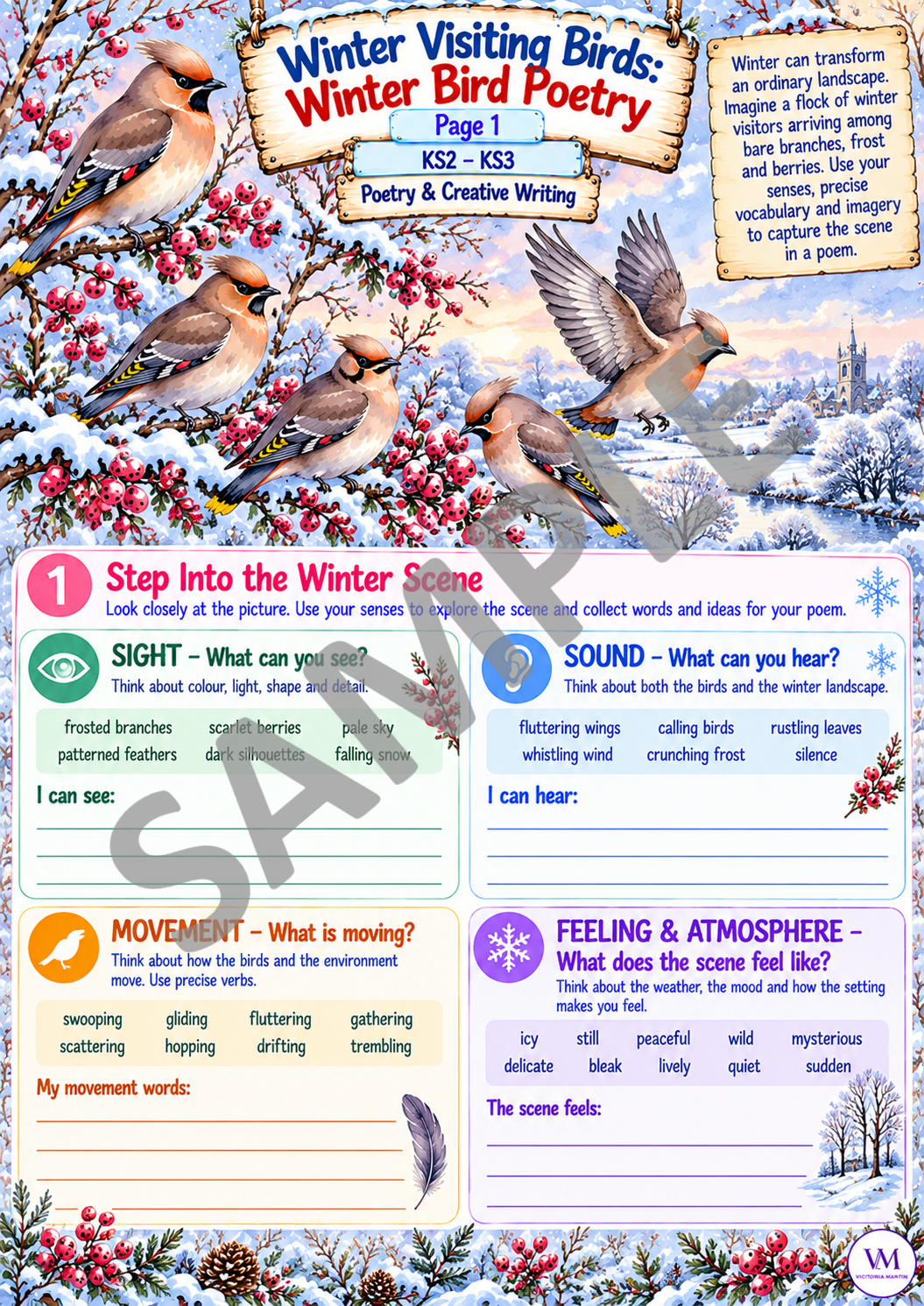
They are recognisable by their pointed crest, dark eye-mask and distinctive wing markings.
Waxwings particularly enjoy berries and fruit, and flocks may sometimes appear in surprisingly urban places where berry-bearing trees have been planted, including parks, gardens and car parks.
In some winters relatively few arrive, while in an irruption year, much larger numbers can appear.
🦢 Whooper Swan
The whooper swan is mainly a winter visitor to the UK, with many of the birds spending winter here arriving from Iceland.
They are large white swans and can be distinguished from mute swans partly by their yellow-and-black bills.
Whooper swans can be found around wetlands, lochs, lakes, estuaries and surrounding farmland during the colder months.
However, they are not exclusively winter visitors: a small breeding population exists in the UK, particularly in northern areas.
🪿 Pink-footed Goose
The pink-footed goose is one of the UK's spectacular winter-visiting geese.
Large numbers spend the winter in Britain after travelling from breeding areas including Iceland, Greenland and Svalbard (Spitsbergen).
They often gather in very large flocks, particularly around farmland, wetlands and coastal areas.
Unlike redwings and fieldfares, pink-footed geese do not normally breed in the UK, making them a particularly clear example of a winter-visiting species.
Redwing or Fieldfare?
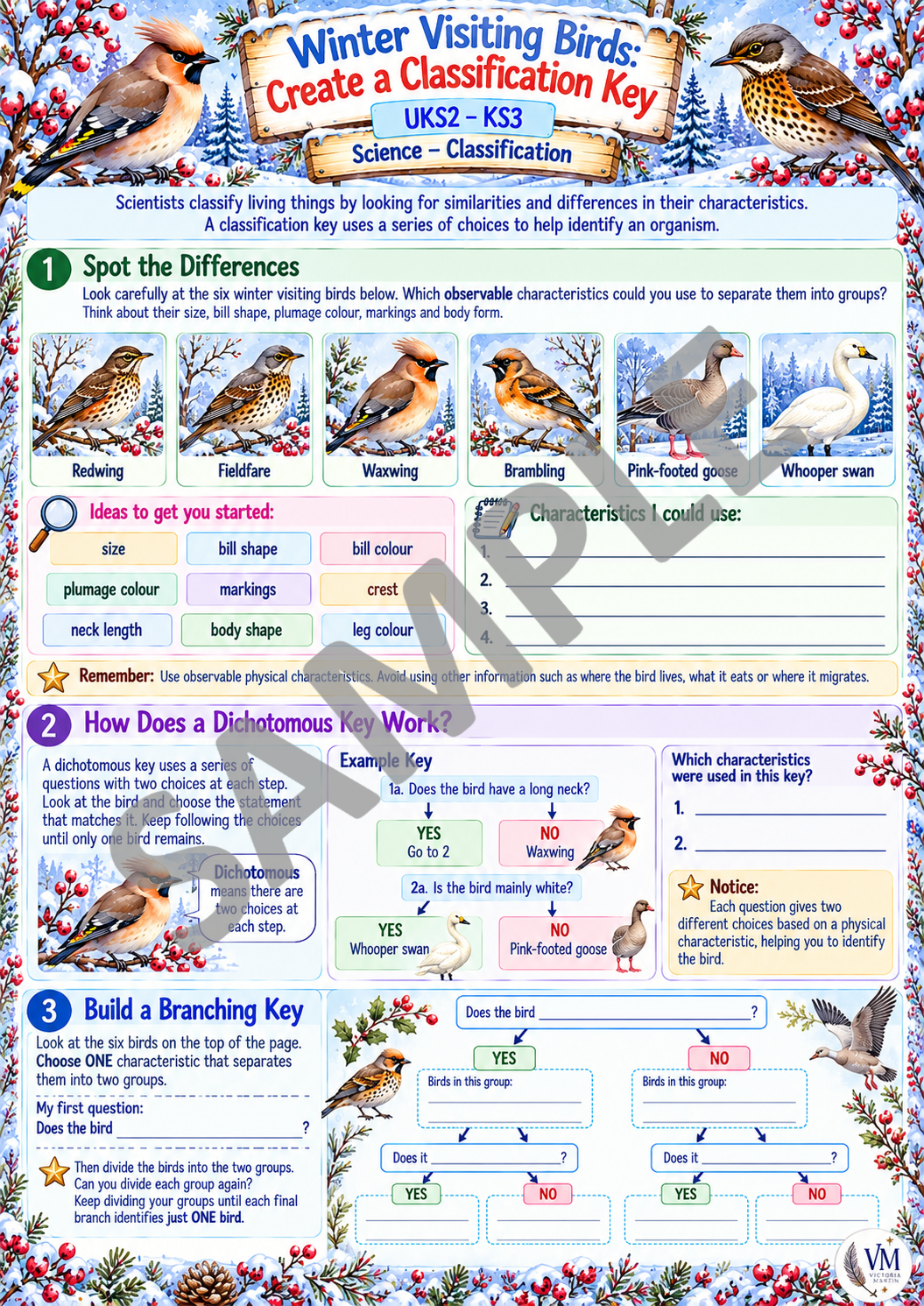
Redwings and fieldfares are both winter-visiting thrushes and are frequently seen feeding together, but there are some useful clues for telling them apart.
A redwing is smaller and darker, with a noticeable cream eyebrow stripe and rusty-red colour around its flanks and underwings.
A fieldfare is considerably larger and has a much more noticeable grey head and rump, chestnut-brown back and spotted breast.
Where Might I See Winter Visitors?
Different species prefer different habitats, so winter visitors can be found across many parts of the UK.
Look for redwings and fieldfares around fields, hedgerows, woodland edges and berry-bearing trees.
Bramblings may appear in woodland, farmland and gardens, sometimes among other finches.
Waxwings are particularly attracted to trees and shrubs containing plenty of berries and fruit.
Whooper swans and pink-footed geese are more likely to be encountered around wetlands, estuaries, farmland and suitable coastal areas.
What Do They Eat?
Winter visitors have different diets.
Redwings, fieldfares and waxwings make good use of winter berries and fruit, while redwings and fieldfares also feed on invertebrates when conditions allow.
Bramblings eat seeds and other plant foods, while swans and geese feed mainly on plant material, including vegetation found in wetlands and farmland.
Food availability can influence both where migrating birds travel and how many individuals of some species reach the UK in a particular winter.
How Does Migration Work?
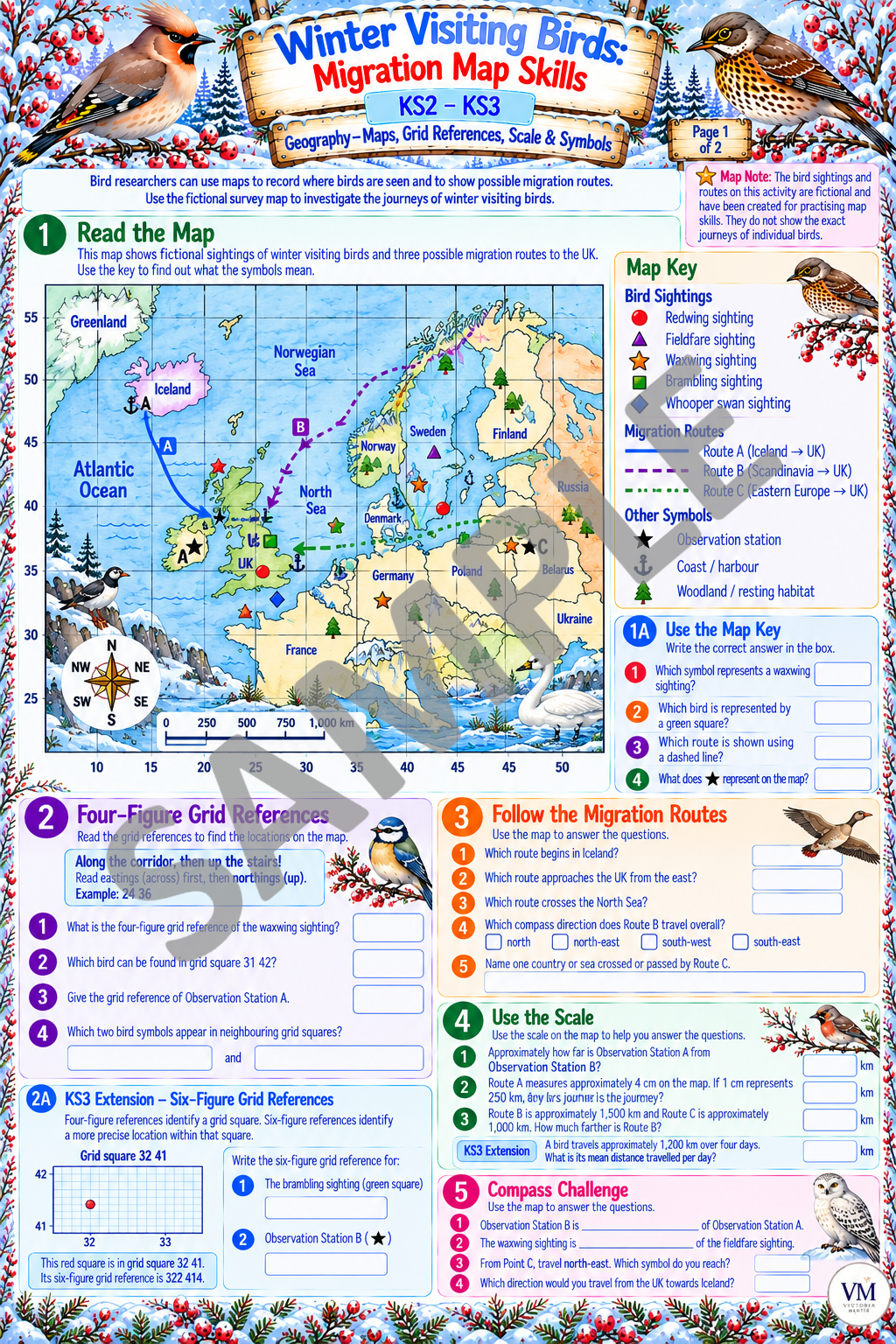
Migration is the regular movement of animals between different places, often linked to breeding, seasonal weather and food availability.
Some of the UK's winter visitors travel hundreds or even thousands of kilometres between their breeding and wintering areas.
Birds can use several natural cues to help them navigate, while weather conditions can affect when and how successfully they travel.
Different species also follow different migration patterns, so there isn't one single route followed by all of Britain's winter visitors.
How Can We Help Winter Birds?
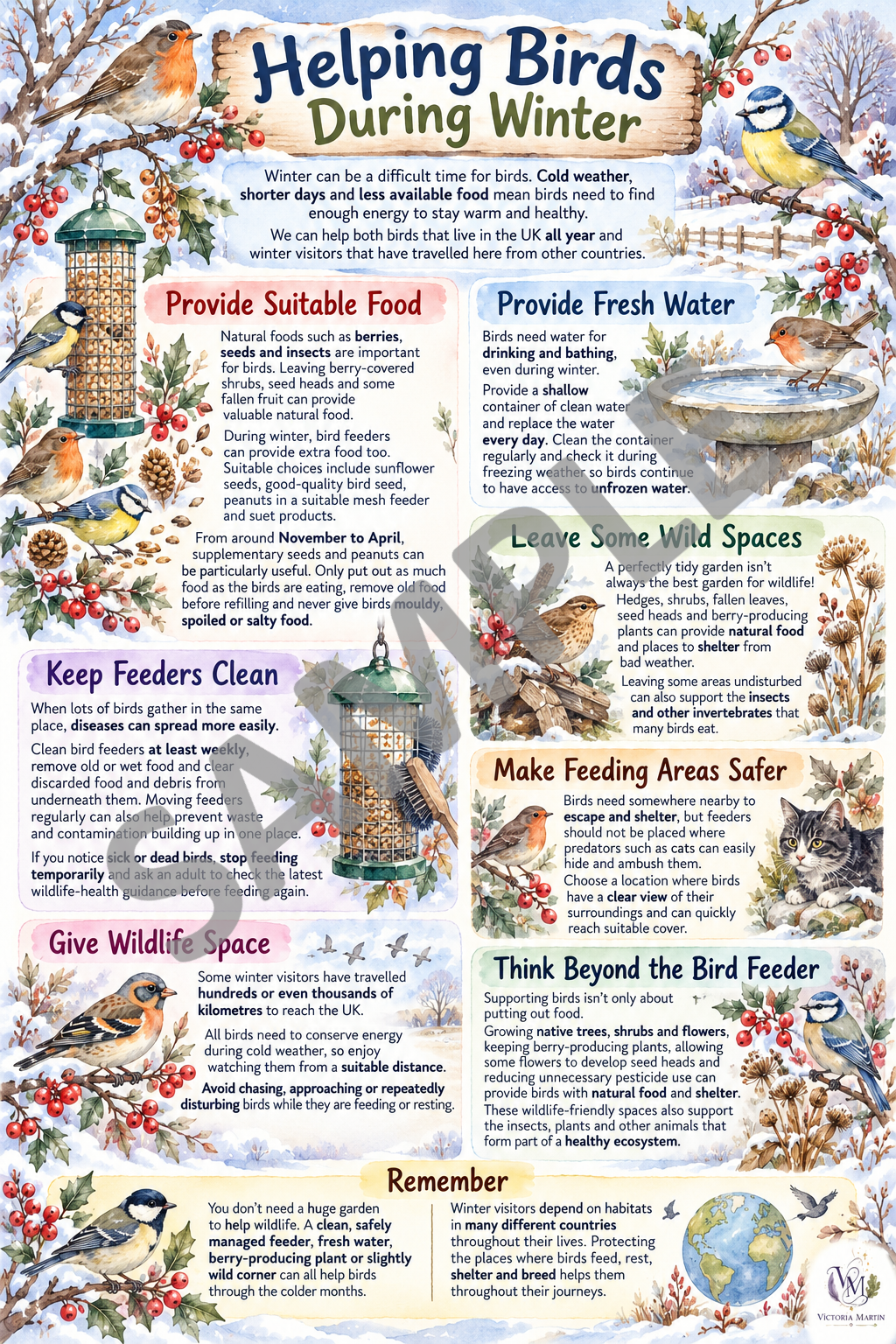
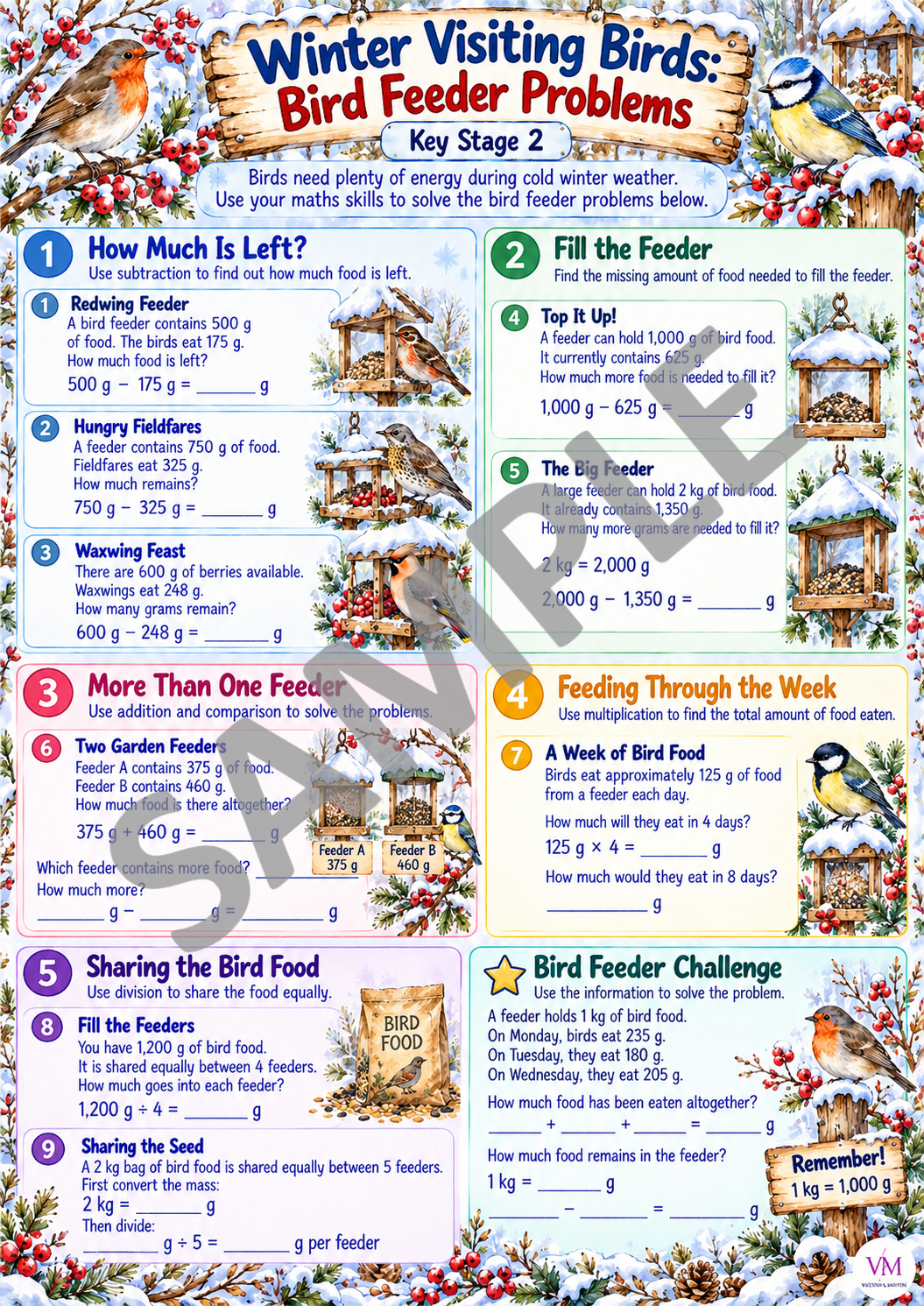
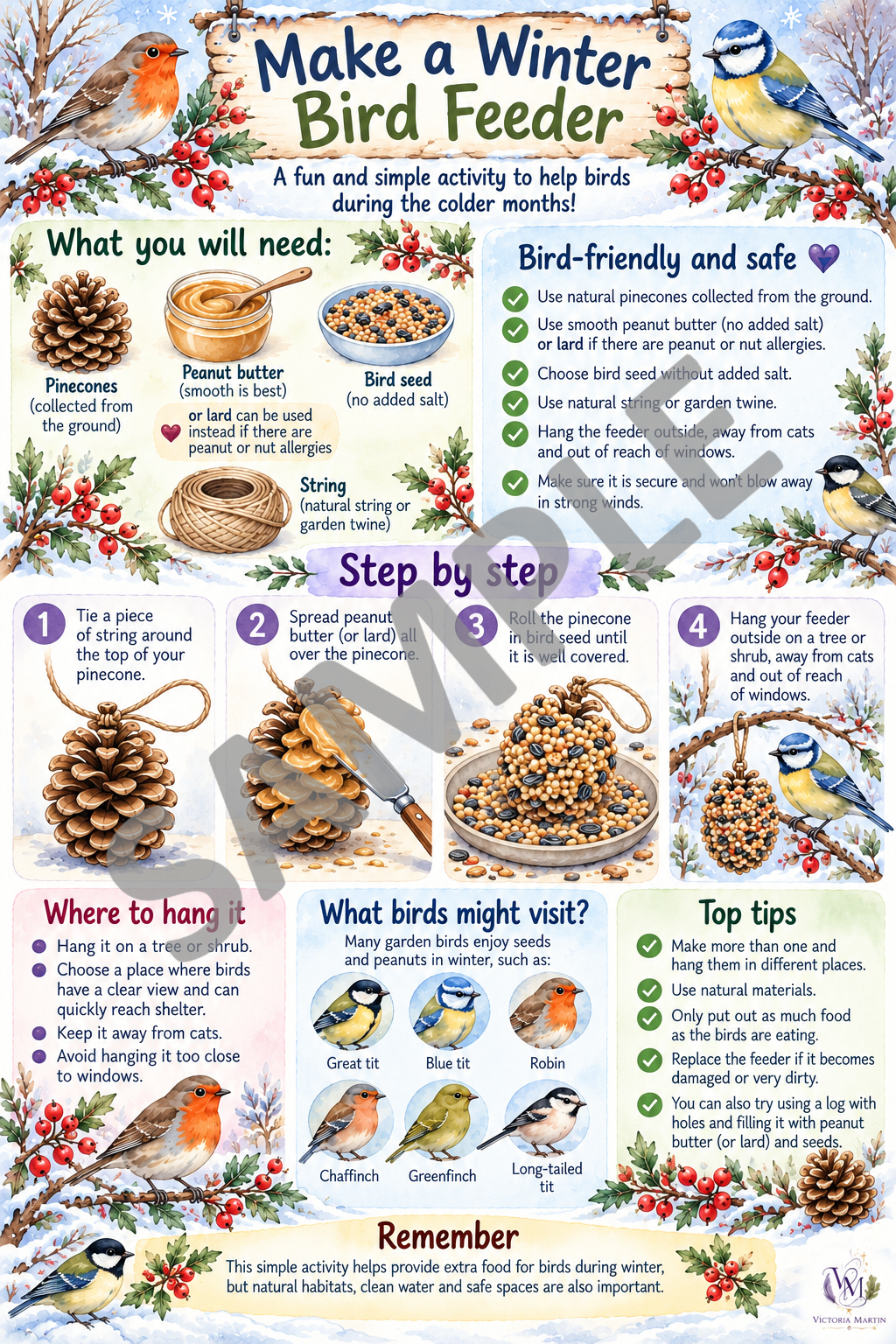
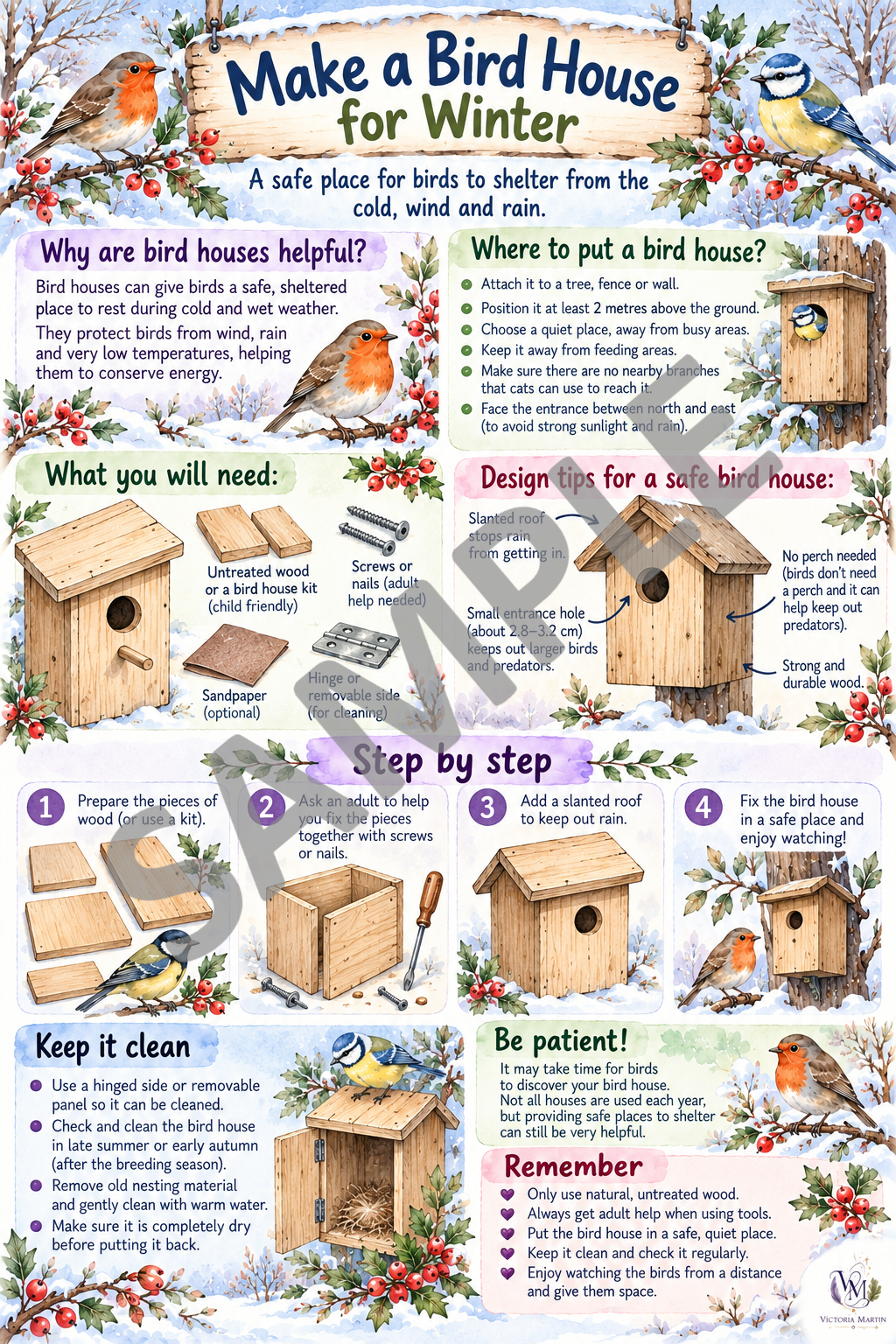
We can support winter birds by providing suitable food, water and habitat.
Leaving berry-bearing plants and hedges where possible provides natural food, while gardens can also offer clean drinking water and appropriate bird food.
Trees, shrubs and hedgerows provide places for birds to feed, shelter and rest.
It is also important to watch wildlife responsibly. Birds need energy to survive cold weather, so we should observe them from a suitable distance rather than repeatedly disturbing feeding or resting flocks.
🔎 Nature Detective Challenge
During autumn and winter, look carefully at hedgerows, fields, parks, gardens and berry-covered trees.
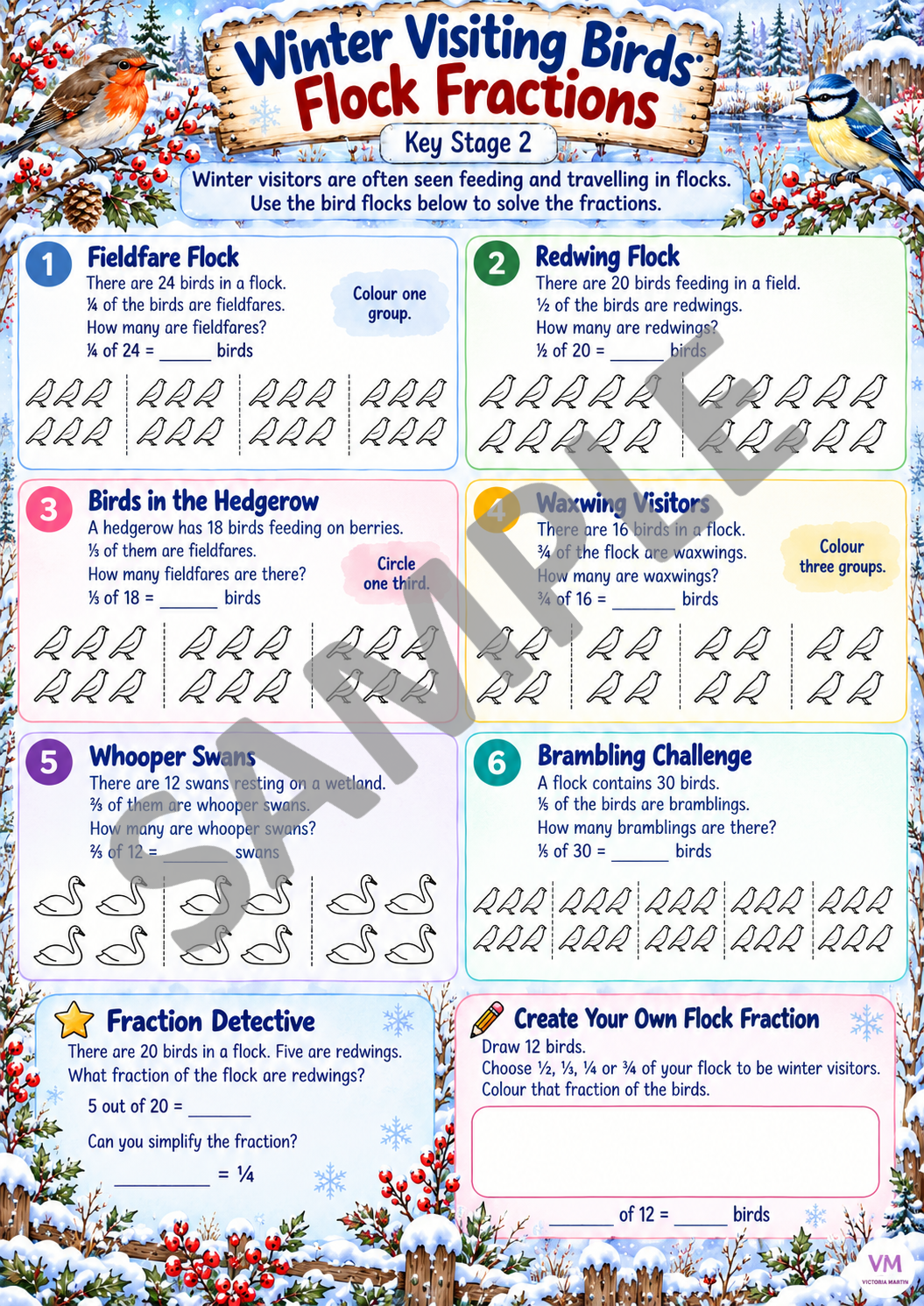
Can you spot a flock of birds feeding?
Look for:
Cream eyebrows and rusty-red flanks — could they be redwings?
Grey heads and chestnut backs — could they be fieldfares?
A pointed crest and dark eye-mask — perhaps you've found waxwings!
Watch quietly from a distance and see whether you can identify what the birds are eating, how many are in the flock, and how they behave together.
Remember
The term winter visitor describes the main seasonal pattern of a species or population, but nature does not always fit into perfectly neat categories.
Some species that are mainly winter visitors have tiny breeding populations in the UK, while some familiar resident species are joined during winter by additional birds migrating from elsewhere.
Using phrases such as “mainly a winter visitor,” “most arrive in autumn,” and “most leave again in spring” therefore keeps our information accurate while showing children that migration can be wonderfully complicated.
Resources and Further Information
Further Information
Which birds head to the UK for winter?
6 Migrant Birds To Spot In The UK This Winter - Woodland Trust
Bird migration guide: which species migrate and where do they go? | Countryfile.com
Which birds migrate to the UK in winter? | Hampshire and Isle of Wight Wildlife Trust
Birds to spot through the seasons | National Trust
Winter Wildlife: What, Where and When to Spot - Woodland Trust
Best places to spot winter wildlife | National Trust
Which birds head to the UK for winter?
The year in nature migration special: who’s flying in and who’s flying out?
Top 10 migrant birds to see at WWT reserves this autumn | WWT